The Story
Barrier Reef Clownfish (Amphiprion akindynos)
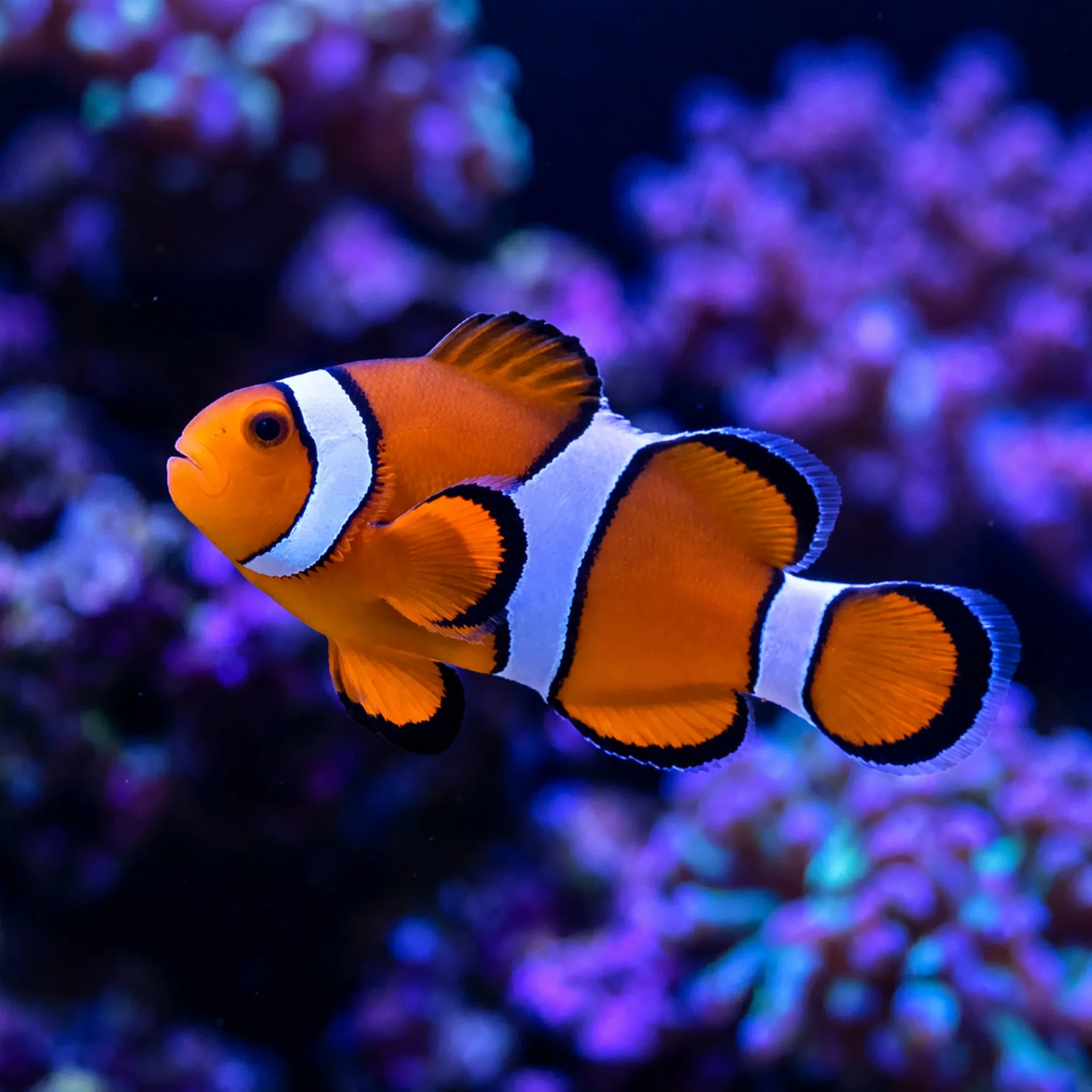
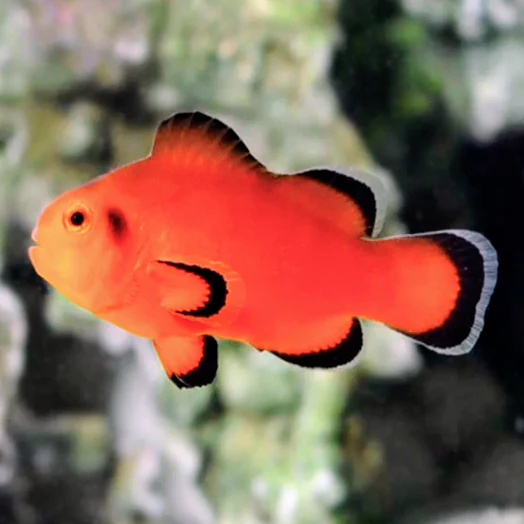
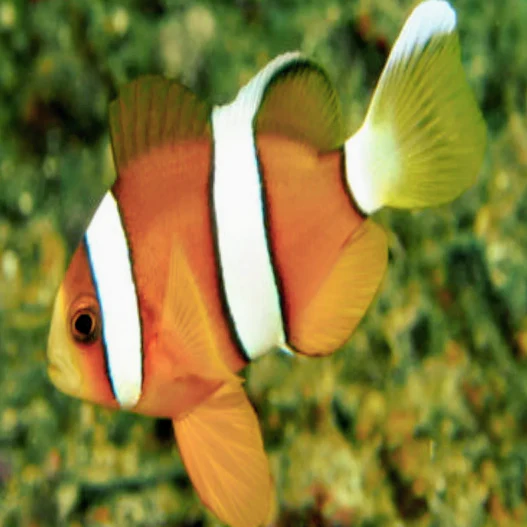
The Barrier Reef Clownfish is a hardy and attractive marine clownfish from Australia’s Great Barrier Reef region, recognised by its orange to orange-brown body, two white body bars edged in black and pale to white tail. Also known as the Barrier Reef Anemonefish or Akindynos Clownfish, this species is closely related to other larger clownfish and can make a strong, characterful addition to a mature reef aquarium. It is generally reef safe, but like all clownfish, it may become territorial around its chosen host, cave or section of rockwork.
Common Name:
Barrier Reef Clownfish. Also commonly referred to as the Barrier Reef Anemonefish, Akindynos Clownfish, Great Barrier Reef Clownfish or Barrier Reef Clown.
Scientific Name (Latin):
Amphiprion akindynos
Maximum Size:
Around 10–12 cm, making it a medium-sized clownfish species.
Water Type:
Marine.
Origin / Natural Habitat:
Found in the Western Pacific, especially around the Great Barrier Reef, Coral Sea, northern New South Wales, New Caledonia, Loyalty Islands and Tonga. In the wild, it occurs around lagoon reefs, outer reefs and coral-rich reef areas, often living in pairs or small social groups close to host anemones.
Water Parameters:
Temperature: 24–27°C
pH Range: 8.1–8.4
Salinity: 1.020–1.025 SG
Temperament:
Semi-aggressive. It is usually manageable in a suitable marine aquarium, but may become territorial once established, especially if it has formed a pair or chosen a host anemone, coral or section of rockwork.
Diet:
Omnivorous. In the aquarium it should be offered a varied diet including quality marine pellets, flakes, frozen mysis, enriched brineshrimp, copepods, finely chopped marine foods and occasional algae or spirulina-based foods. A varied diet will help support colour, condition and breeding behaviour.
Minimum Tank Size:
A practical recommendation is at least 120 litres for a single fish or bonded pair, with larger aquariums preferred for mixed reef communities.
Behaviour & Activity:
This is a bold, active clownfish that usually spends much of its time around a chosen area of rockwork, coral or host anemone. A host anemone is not essential for aquarium care, but the species may naturally associate with anemones if suitable species are present. It forms pairs, with the female becoming the larger dominant fish. During breeding, males guard and aerate eggs laid on a cleaned hard surface close to the host area.
Reef Safe:
Reef Safe
This species is generally safe with corals and most common reef invertebrates. The main consideration is territorial behaviour, especially around a chosen host site. It may defend this area from other fish, but it is not normally a coral-nipping species.
Special Requirements or Care Notes:
Best kept in a mature marine aquarium with stable water quality, good oxygenation, live rock and clear territory breaks. If keeping a pair, it is safest to purchase a bonded pair or introduce a smaller juvenile with a larger individual. Avoid mixing with other clownfish species in smaller aquariums, as aggression and territory disputes can occur. Captive-bred specimens are strongly preferred where available.
Suitable for:
Beginner to intermediate marine fishkeepers
Availability:
Occasional in trade, with captive-bred specimens sometimes available
All images are a visual representation of the fish you will receive, made to be as accurate as possible. Please note that Mother Nature is a wonderful thing, and variation in patterns and colours will occur — that is part of the unique beauty of these animals.
Description
Barrier Reef Clownfish (Amphiprion akindynos)
The Barrier Reef Clownfish is a hardy and attractive marine clownfish from Australia’s Great Barrier Reef region, recognised by its orange to orange-brown body, two white body bars edged in black and pale to white tail. Also known as the Barrier Reef Anemonefish or Akindynos Clownfish, this species is closely related to other larger clownfish and can make a strong, characterful addition to a mature reef aquarium. It is generally reef safe, but like all clownfish, it may become territorial around its chosen host, cave or section of rockwork.
Common Name:
Barrier Reef Clownfish. Also commonly referred to as the Barrier Reef Anemonefish, Akindynos Clownfish, Great Barrier Reef Clownfish or Barrier Reef Clown.
Scientific Name (Latin):
Amphiprion akindynos
Maximum Size:
Around 10–12 cm, making it a medium-sized clownfish species.
Water Type:
Marine.
Origin / Natural Habitat:
Found in the Western Pacific, especially around the Great Barrier Reef, Coral Sea, northern New South Wales, New Caledonia, Loyalty Islands and Tonga. In the wild, it occurs around lagoon reefs, outer reefs and coral-rich reef areas, often living in pairs or small social groups close to host anemones.
Water Parameters:
Temperature: 24–27°C
pH Range: 8.1–8.4
Salinity: 1.020–1.025 SG
Temperament:
Semi-aggressive. It is usually manageable in a suitable marine aquarium, but may become territorial once established, especially if it has formed a pair or chosen a host anemone, coral or section of rockwork.
Diet:
Omnivorous. In the aquarium it should be offered a varied diet including quality marine pellets, flakes, frozen mysis, enriched brineshrimp, copepods, finely chopped marine foods and occasional algae or spirulina-based foods. A varied diet will help support colour, condition and breeding behaviour.
Minimum Tank Size:
A practical recommendation is at least 120 litres for a single fish or bonded pair, with larger aquariums preferred for mixed reef communities.
Behaviour & Activity:
This is a bold, active clownfish that usually spends much of its time around a chosen area of rockwork, coral or host anemone. A host anemone is not essential for aquarium care, but the species may naturally associate with anemones if suitable species are present. It forms pairs, with the female becoming the larger dominant fish. During breeding, males guard and aerate eggs laid on a cleaned hard surface close to the host area.
Reef Safe:
Reef Safe
This species is generally safe with corals and most common reef invertebrates. The main consideration is territorial behaviour, especially around a chosen host site. It may defend this area from other fish, but it is not normally a coral-nipping species.
Special Requirements or Care Notes:
Best kept in a mature marine aquarium with stable water quality, good oxygenation, live rock and clear territory breaks. If keeping a pair, it is safest to purchase a bonded pair or introduce a smaller juvenile with a larger individual. Avoid mixing with other clownfish species in smaller aquariums, as aggression and territory disputes can occur. Captive-bred specimens are strongly preferred where available.
Suitable for:
Beginner to intermediate marine fishkeepers
Availability:
Occasional in trade, with captive-bred specimens sometimes available
All images are a visual representation of the fish you will receive, made to be as accurate as possible. Please note that Mother Nature is a wonderful thing, and variation in patterns and colours will occur — that is part of the unique beauty of these animals.