Original: $67.12
-65%$67.12
$23.49The Story
Black and White Snapper (Macolor niger)
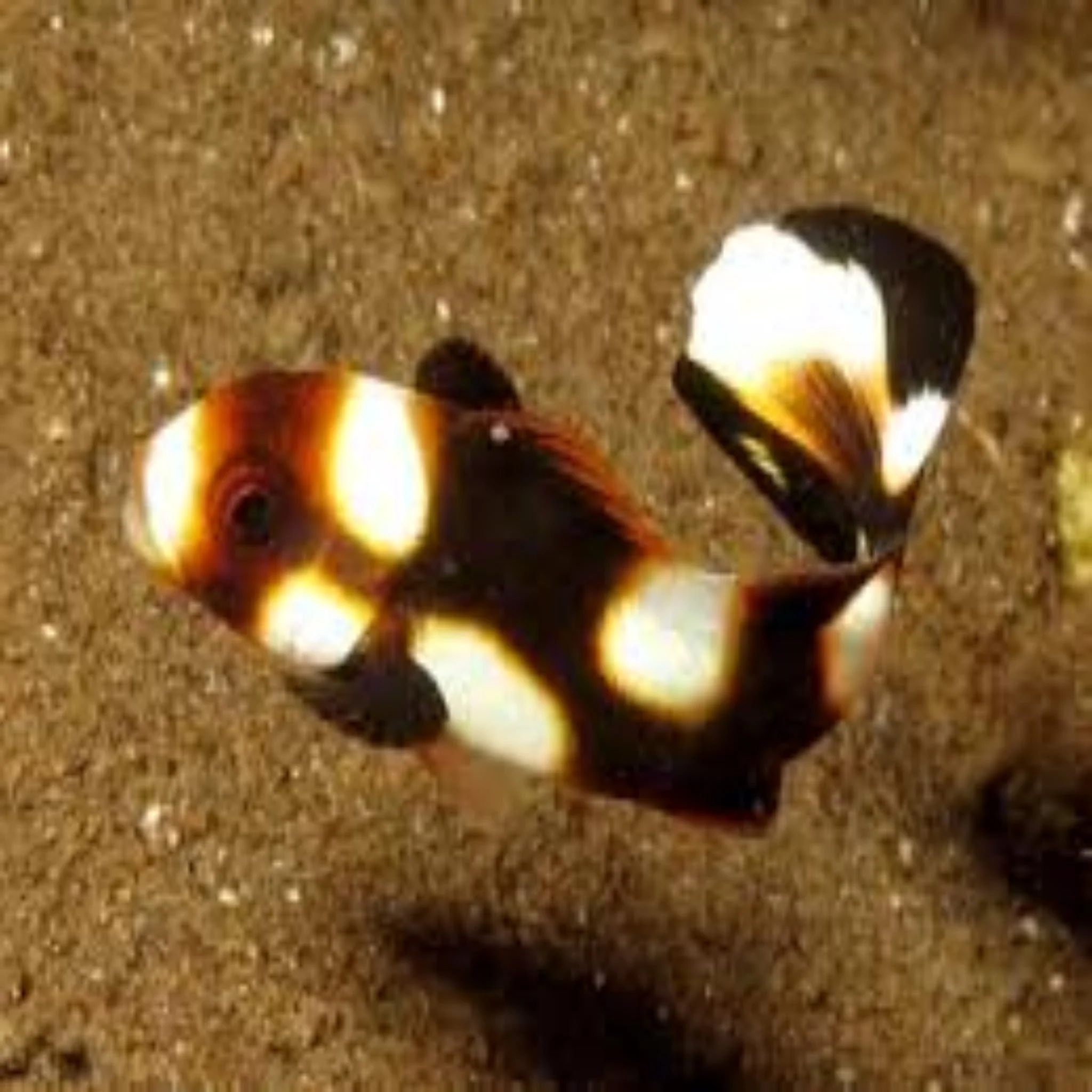
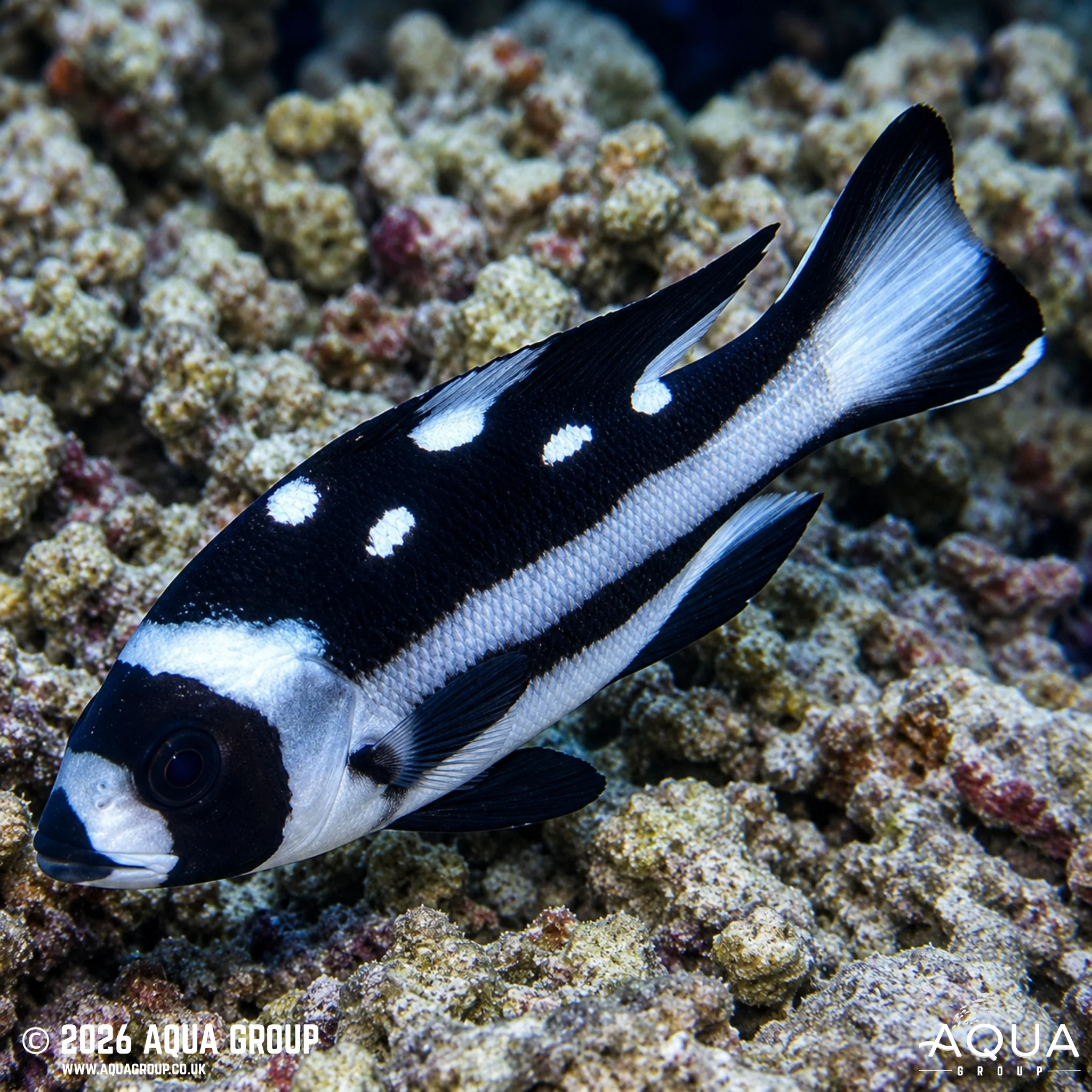
The Black and White Snapper, Macolor niger, is a dramatic Indo-Pacific reef snapper with a highly attractive juvenile pattern of black, white and contrasting markings. Also known as the Black Snapper, Black-and-white Snapper or Macolor Snapper, this species becomes a large, powerful predatory fish as it matures. Although juveniles are visually impressive, this is not a community reef fish and should only be chosen for very large fish-only marine aquariums by experienced keepers who can plan for its adult size, diet and long-term space requirements.
Common Name:
Black and White Snapper, Black-and-white Snapper, Black Snapper, Macolor Snapper, Black and White Seaperch.
Scientific Name (Latin):
Macolor niger
Maximum Size:
Up to around 75 cm in the wild. Aquarium specimens may be sold much smaller as juveniles, but this species should always be planned for as a very large adult snapper.
Water Type:
Marine
Origin / Natural Habitat:
Indo-Pacific, from the Red Sea and East Africa across the Indian Ocean and western Pacific to island reef regions of Micronesia and the central Pacific. Adults are typically found on steep outer lagoon walls, reef channels and seaward reef slopes, often in large schools. Juveniles are usually more solitary and shelter around reef structure.
Water Parameters:
Temperature: 24–28°C
pH Range: 8.1–8.4
Hardness or Salinity: SG 1.020–1.025
Temperament:
Predatory and robust. Juveniles may appear relatively manageable, but adults become large, strong and capable of eating smaller fish and crustaceans. Best kept only with suitably sized, robust marine fish that cannot be swallowed or bullied.
Diet:
Carnivorous predator. In the wild, it feeds largely on fishes and crustaceans. In the aquarium, offer a varied marine-based diet of chopped prawn, mussel, clam, squid, krill, silversides, lancefish, marine fish flesh and quality carnivore pellets. Avoid freshwater feeder fish, as these are not suitable long-term nutrition for marine predators.
Minimum Tank Size:
A minimum of 1,500 litres is recommended for long-term care, with public-aquarium-sized systems strongly preferred for adults. Juveniles should not be purchased for small aquariums unless a realistic upgrade plan is already in place.
Behaviour & Activity:
An active reef predator that becomes a strong open-water swimmer as it grows. Juveniles may remain close to caves, ledges and reef structure, while adults range over reef slopes and channels. Provide very large swimming areas, robust rockwork, strong filtration and excellent oxygenation. This species produces significant waste and needs a system designed around large predatory fish.
Reef Safe:
Not Reef Safe
Not suitable for standard reef aquariums. While it is not primarily a coral grazer, it will eat small fish, shrimps, crabs and other crustaceans, and its adult size, strength and waste production make it unsuitable for delicate coral reef systems.
Special Requirements or Care Notes:
This is a very large predatory snapper, not a typical home reef fish. It should only be kept by aquarists with very large marine systems and appropriate long-term housing. Choose tank mates carefully and avoid small fish, ornamental crustaceans and delicate species. Provide heavy filtration, strong water movement, secure aquascaping and a covered aquarium. Juvenile colouration changes considerably with age, with adults becoming much darker and less boldly patterned.
Suitable for:
Experienced fishkeepers
Availability:
Rare or occasional in trade
All images are a visual representation of the fish you will receive, made to be as accurate as possible. Please note that Mother Nature is a wonderful thing, and variation in patterns and colours will occur — that is part of the unique beauty of these animals.
Description
Black and White Snapper (Macolor niger)
The Black and White Snapper, Macolor niger, is a dramatic Indo-Pacific reef snapper with a highly attractive juvenile pattern of black, white and contrasting markings. Also known as the Black Snapper, Black-and-white Snapper or Macolor Snapper, this species becomes a large, powerful predatory fish as it matures. Although juveniles are visually impressive, this is not a community reef fish and should only be chosen for very large fish-only marine aquariums by experienced keepers who can plan for its adult size, diet and long-term space requirements.
Common Name:
Black and White Snapper, Black-and-white Snapper, Black Snapper, Macolor Snapper, Black and White Seaperch.
Scientific Name (Latin):
Macolor niger
Maximum Size:
Up to around 75 cm in the wild. Aquarium specimens may be sold much smaller as juveniles, but this species should always be planned for as a very large adult snapper.
Water Type:
Marine
Origin / Natural Habitat:
Indo-Pacific, from the Red Sea and East Africa across the Indian Ocean and western Pacific to island reef regions of Micronesia and the central Pacific. Adults are typically found on steep outer lagoon walls, reef channels and seaward reef slopes, often in large schools. Juveniles are usually more solitary and shelter around reef structure.
Water Parameters:
Temperature: 24–28°C
pH Range: 8.1–8.4
Hardness or Salinity: SG 1.020–1.025
Temperament:
Predatory and robust. Juveniles may appear relatively manageable, but adults become large, strong and capable of eating smaller fish and crustaceans. Best kept only with suitably sized, robust marine fish that cannot be swallowed or bullied.
Diet:
Carnivorous predator. In the wild, it feeds largely on fishes and crustaceans. In the aquarium, offer a varied marine-based diet of chopped prawn, mussel, clam, squid, krill, silversides, lancefish, marine fish flesh and quality carnivore pellets. Avoid freshwater feeder fish, as these are not suitable long-term nutrition for marine predators.
Minimum Tank Size:
A minimum of 1,500 litres is recommended for long-term care, with public-aquarium-sized systems strongly preferred for adults. Juveniles should not be purchased for small aquariums unless a realistic upgrade plan is already in place.
Behaviour & Activity:
An active reef predator that becomes a strong open-water swimmer as it grows. Juveniles may remain close to caves, ledges and reef structure, while adults range over reef slopes and channels. Provide very large swimming areas, robust rockwork, strong filtration and excellent oxygenation. This species produces significant waste and needs a system designed around large predatory fish.
Reef Safe:
Not Reef Safe
Not suitable for standard reef aquariums. While it is not primarily a coral grazer, it will eat small fish, shrimps, crabs and other crustaceans, and its adult size, strength and waste production make it unsuitable for delicate coral reef systems.
Special Requirements or Care Notes:
This is a very large predatory snapper, not a typical home reef fish. It should only be kept by aquarists with very large marine systems and appropriate long-term housing. Choose tank mates carefully and avoid small fish, ornamental crustaceans and delicate species. Provide heavy filtration, strong water movement, secure aquascaping and a covered aquarium. Juvenile colouration changes considerably with age, with adults becoming much darker and less boldly patterned.
Suitable for:
Experienced fishkeepers
Availability:
Rare or occasional in trade
All images are a visual representation of the fish you will receive, made to be as accurate as possible. Please note that Mother Nature is a wonderful thing, and variation in patterns and colours will occur — that is part of the unique beauty of these animals.