Original: $46.99
-65%$46.99
$16.45The Story
Dwarf Dartfish (Aioliops megastigma)
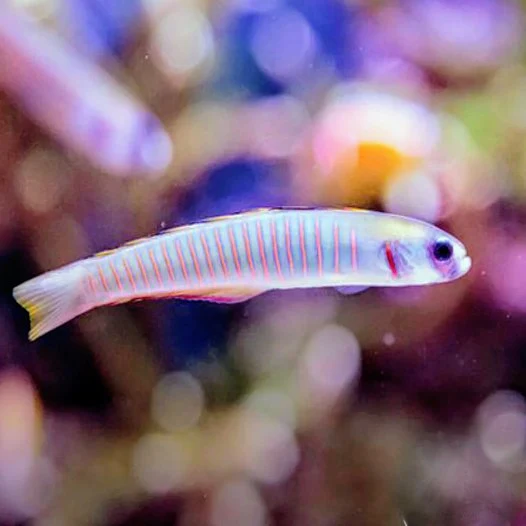
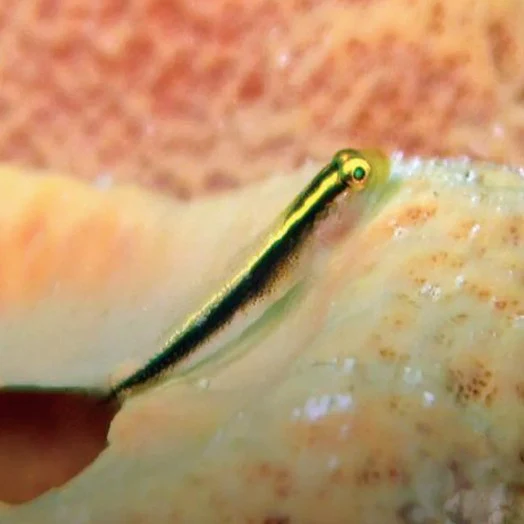
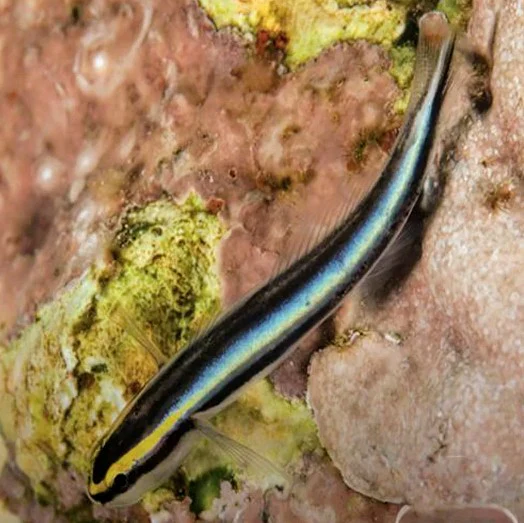
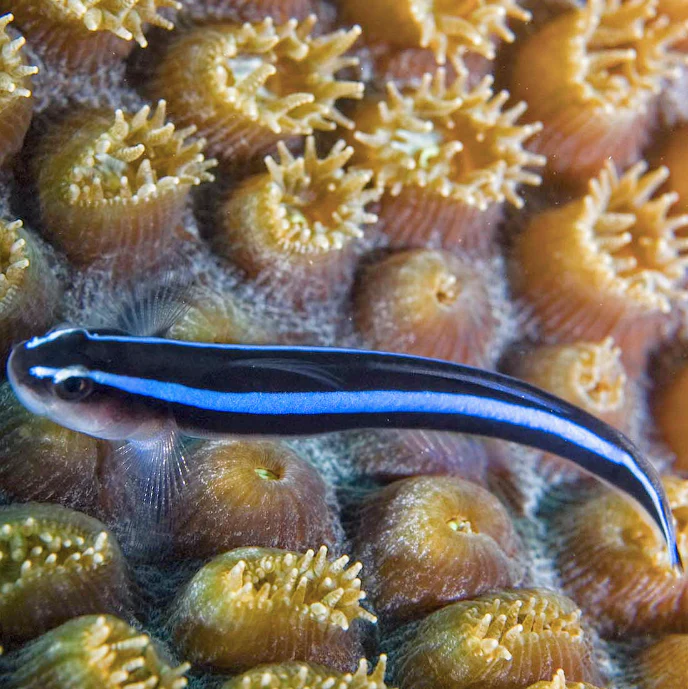
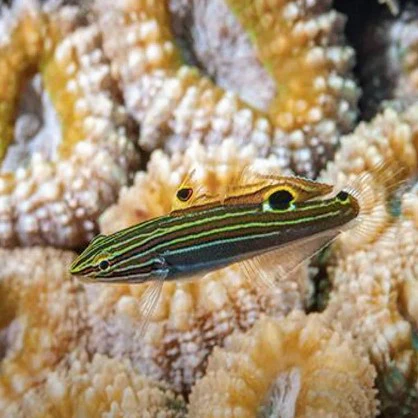
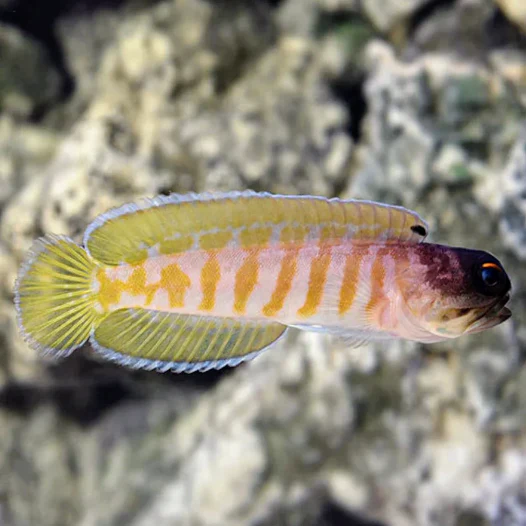
The Dwarf Dartfish, Aioliops megastigma, is a tiny and delicate marine dartfish admired for its slender body, subtle translucent colouration and natural shoaling behaviour. Also known as the Mini Dart Goby, Bigspot Minidartfish or Dwarf Dart Goby, this very small reef-associated species is best suited to peaceful nano or specialist reef aquariums where a group can hover together close to coral, rockwork and shelter. It is reef safe and fascinating to watch, but it is a specialist micro-feeder that needs calm tank mates, very small foods and careful acclimation.
Common Name:
Dwarf Dartfish, Mini Dart Goby, Mini Dartfish, Bigspot Minidartfish, Dwarf Dart Goby.
Scientific Name (Latin):
Aioliops megastigma
Maximum Size:
Usually around 2–3 cm, with some references giving just over 3 cm.
Water Type:
Marine
Origin / Natural Habitat:
Indo-West Pacific reef regions. Naturally found in shallow sheltered reef habitats, silty reefs and lagoon reefs at around 2–10 m depth, where it swims in small groups near corals and other protective reef structure.
Water Parameters:
Temperature: 24–27°C
pH Range: 8.1–8.4
Hardness or Salinity: SG 1.020–1.025
Temperament:
Very peaceful and timid. Best kept with tiny, calm reef-safe fish that will not bully it, chase it or outcompete it at feeding time. Avoid aggressive damsels, dottybacks, hawkfish, large wrasses, predatory gobies and fast-feeding community fish in small aquariums.
Diet:
Specialist micro-predator and planktivore. In the aquarium, offer very small foods such as live or frozen copepods, rotifers, cyclops, calanus, enriched baby brineshrimp, lobster eggs, finely sieved mysis and high-quality micro pellets only if accepted. Newly imported specimens may be thin and reluctant to take prepared foods, so live and very small frozen foods are often important.
Minimum Tank Size:
A minimum of 50 litres is suitable for a small group in a carefully managed specialist nano reef, but 90 litres or more is recommended for better stability and feeding control. This species should not be kept in busy community aquariums despite its small size.
Behaviour & Activity:
A tiny shoaling dartfish that spends much of its time hovering in the water column close to coral, rockwork and shelter. It is usually more confident in a small group than as a single specimen. When startled, it may dart quickly into cover. Provide fine branching structure, small caves, shaded areas and gentle to moderate flow. Because of its tiny size, it can be drawn into uncovered overflows, weirs and pump intakes.
Reef Safe:
Reef Safe
Safe with corals and most ornamental invertebrates. It does not nip corals or disturb reef structure. Very tiny planktonic crustaceans may be eaten as part of its natural diet, but it is generally compatible with snails, hermit crabs, cleaner shrimps and typical reef invertebrates. The main concern is protecting the fish from predation, starvation and filtration intake hazards.
Special Requirements or Care Notes:
Best kept in groups in a mature, peaceful aquarium with abundant microfauna and frequent small feeds. Cover pump intakes, overflow slots and filtration inlets with suitable guards or sponge, as these fish are extremely small. A secure lid or mesh cover is recommended, as dartfish can jump when startled. Avoid newly set-up tanks, aggressive tank mates and systems where food competition is high. Careful observation is essential, as underfed specimens can lose condition quickly.
Suitable for:
Experienced fishkeepers
Availability:
Rare or occasional in trade
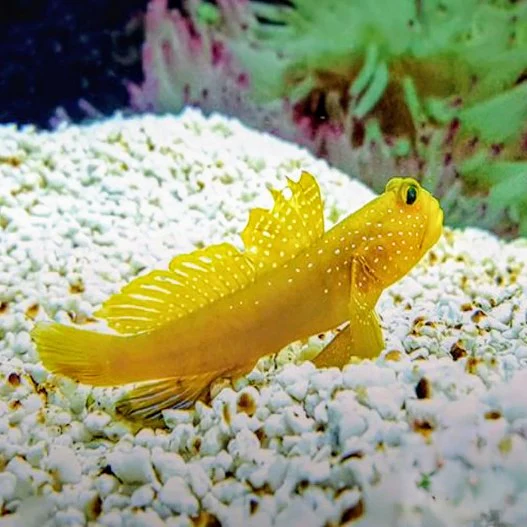
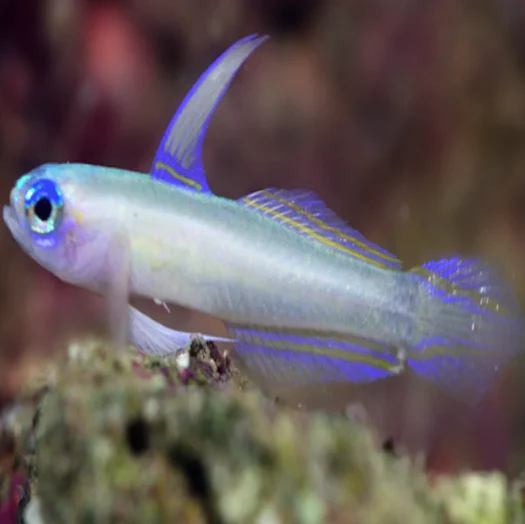
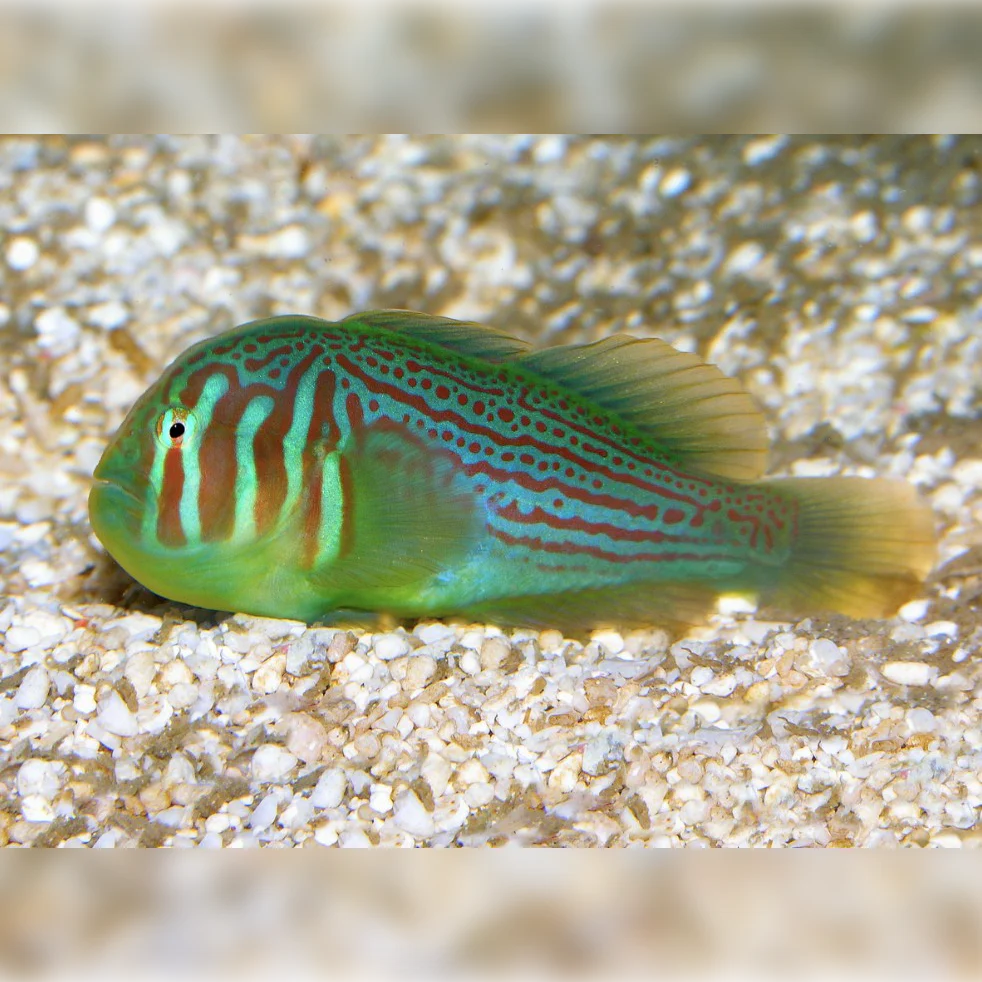
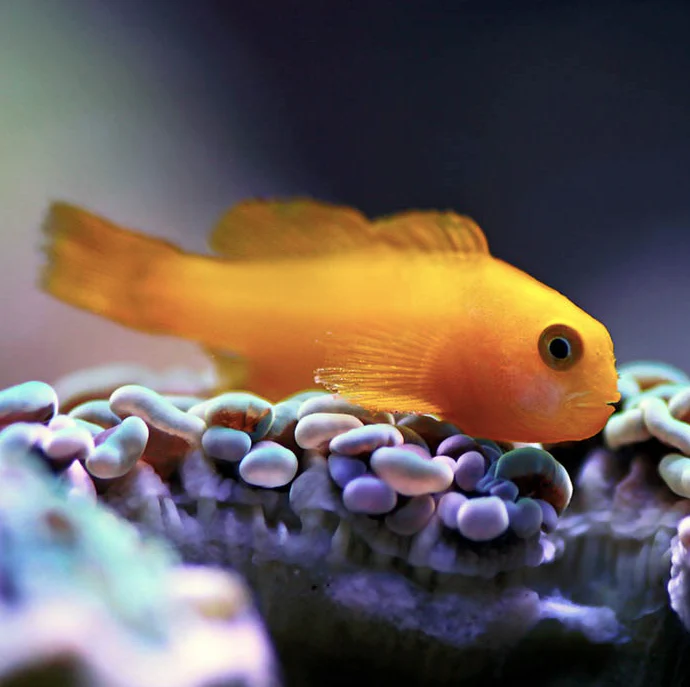
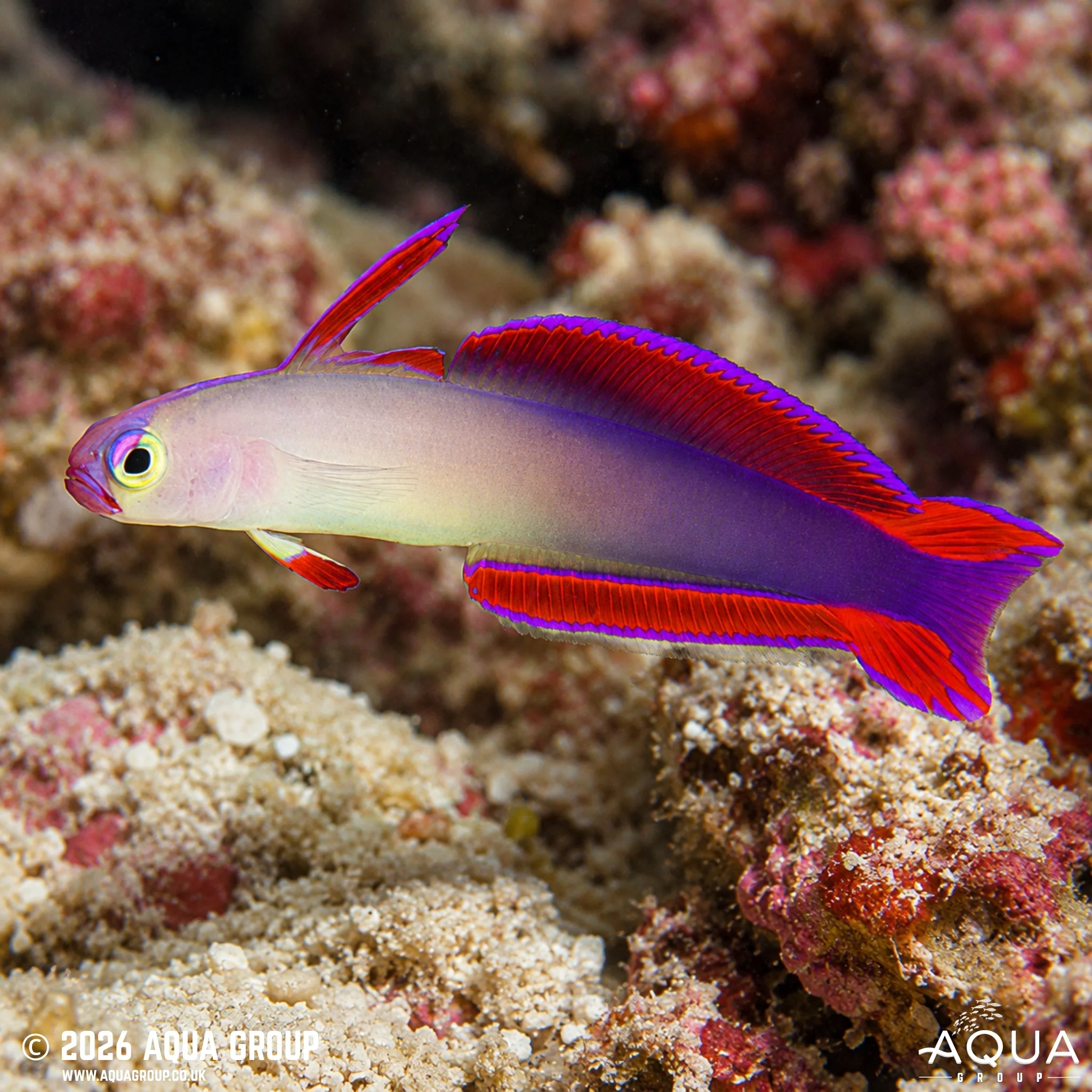
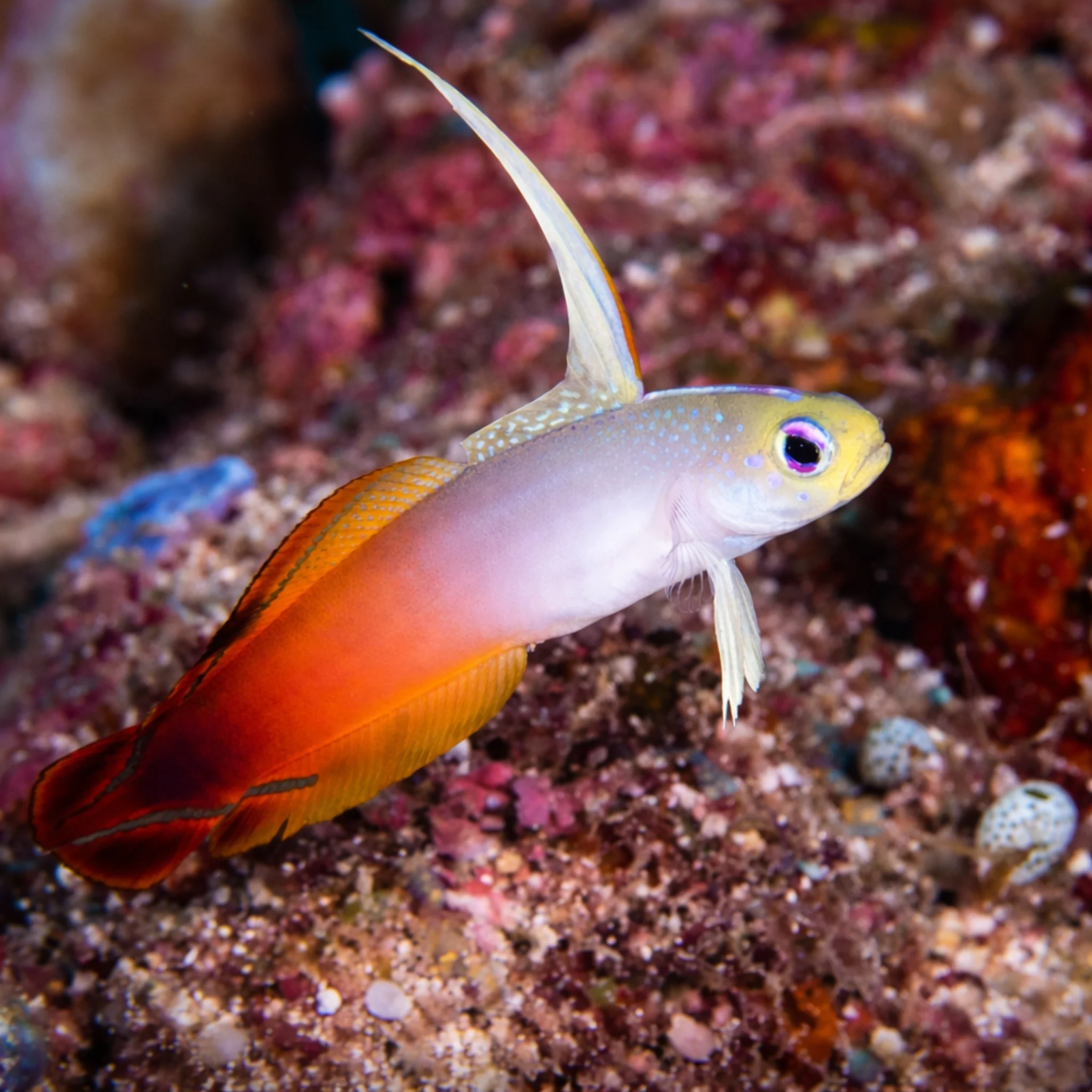
All images are a visual representation of the fish you will receive, made to be as accurate as possible. Please note that Mother Nature is a wonderful thing, and variation in patterns and colours will occur — that is part of the unique beauty of these animals.
Description
Dwarf Dartfish (Aioliops megastigma)
The Dwarf Dartfish, Aioliops megastigma, is a tiny and delicate marine dartfish admired for its slender body, subtle translucent colouration and natural shoaling behaviour. Also known as the Mini Dart Goby, Bigspot Minidartfish or Dwarf Dart Goby, this very small reef-associated species is best suited to peaceful nano or specialist reef aquariums where a group can hover together close to coral, rockwork and shelter. It is reef safe and fascinating to watch, but it is a specialist micro-feeder that needs calm tank mates, very small foods and careful acclimation.
Common Name:
Dwarf Dartfish, Mini Dart Goby, Mini Dartfish, Bigspot Minidartfish, Dwarf Dart Goby.
Scientific Name (Latin):
Aioliops megastigma
Maximum Size:
Usually around 2–3 cm, with some references giving just over 3 cm.
Water Type:
Marine
Origin / Natural Habitat:
Indo-West Pacific reef regions. Naturally found in shallow sheltered reef habitats, silty reefs and lagoon reefs at around 2–10 m depth, where it swims in small groups near corals and other protective reef structure.
Water Parameters:
Temperature: 24–27°C
pH Range: 8.1–8.4
Hardness or Salinity: SG 1.020–1.025
Temperament:
Very peaceful and timid. Best kept with tiny, calm reef-safe fish that will not bully it, chase it or outcompete it at feeding time. Avoid aggressive damsels, dottybacks, hawkfish, large wrasses, predatory gobies and fast-feeding community fish in small aquariums.
Diet:
Specialist micro-predator and planktivore. In the aquarium, offer very small foods such as live or frozen copepods, rotifers, cyclops, calanus, enriched baby brineshrimp, lobster eggs, finely sieved mysis and high-quality micro pellets only if accepted. Newly imported specimens may be thin and reluctant to take prepared foods, so live and very small frozen foods are often important.
Minimum Tank Size:
A minimum of 50 litres is suitable for a small group in a carefully managed specialist nano reef, but 90 litres or more is recommended for better stability and feeding control. This species should not be kept in busy community aquariums despite its small size.
Behaviour & Activity:
A tiny shoaling dartfish that spends much of its time hovering in the water column close to coral, rockwork and shelter. It is usually more confident in a small group than as a single specimen. When startled, it may dart quickly into cover. Provide fine branching structure, small caves, shaded areas and gentle to moderate flow. Because of its tiny size, it can be drawn into uncovered overflows, weirs and pump intakes.
Reef Safe:
Reef Safe
Safe with corals and most ornamental invertebrates. It does not nip corals or disturb reef structure. Very tiny planktonic crustaceans may be eaten as part of its natural diet, but it is generally compatible with snails, hermit crabs, cleaner shrimps and typical reef invertebrates. The main concern is protecting the fish from predation, starvation and filtration intake hazards.
Special Requirements or Care Notes:
Best kept in groups in a mature, peaceful aquarium with abundant microfauna and frequent small feeds. Cover pump intakes, overflow slots and filtration inlets with suitable guards or sponge, as these fish are extremely small. A secure lid or mesh cover is recommended, as dartfish can jump when startled. Avoid newly set-up tanks, aggressive tank mates and systems where food competition is high. Careful observation is essential, as underfed specimens can lose condition quickly.
Suitable for:
Experienced fishkeepers
Availability:
Rare or occasional in trade
All images are a visual representation of the fish you will receive, made to be as accurate as possible. Please note that Mother Nature is a wonderful thing, and variation in patterns and colours will occur — that is part of the unique beauty of these animals.