Original: $5.30
-65%$5.30
$1.85The Story
Emerald Green Shrimp (Neocaridina davidi var. “Emerald Green”)
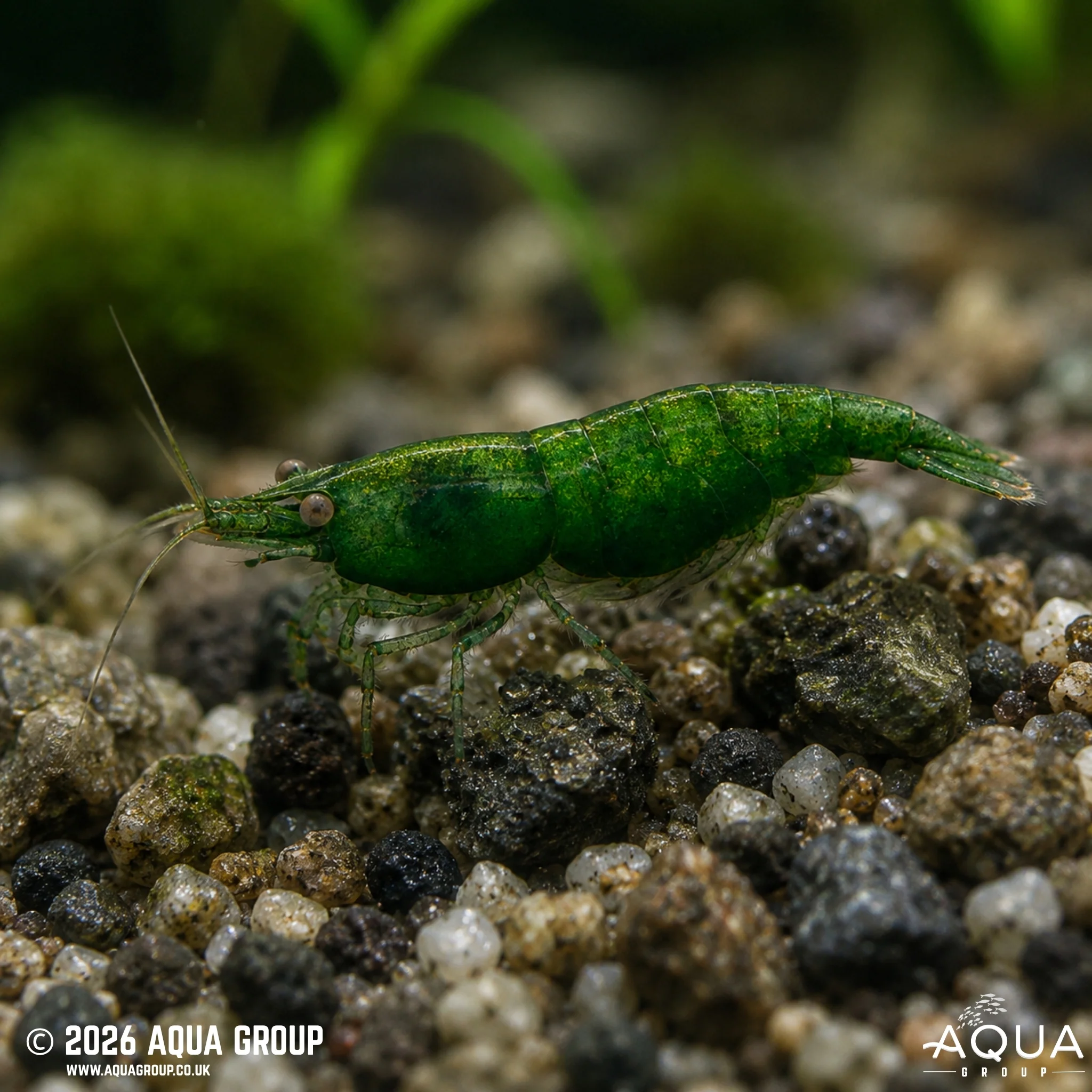
The Emerald Green Shrimp is a beautiful captive-bred freshwater shrimp, prized for its rich green to emerald jade colouration, peaceful behaviour and constant grazing activity. This selectively bred Neocaridina strain adds a natural jewel-like contrast to planted aquariums, especially against darker substrate, mosses, wood and fine-leaved plants. Hardy, active and relatively easy to breed in the right conditions, Emerald Green Shrimp are a fantastic choice for shrimp tanks, peaceful nano aquariums and mature planted community setups.
Common Name:
Emerald Green Shrimp. Also commonly referred to as Green Jade Shrimp, Dark Green Jade Shrimp, Emerald Jade Shrimp, Green Neocaridina Shrimp or Green Cherry Shrimp.
Scientific Name (Latin):
Neocaridina davidi var. “Emerald Green”
Previously seen in older references as Neocaridina heteropoda.
Maximum Size:
Around 2.5–3.5 cm, with females usually growing larger and fuller-bodied than males.
Water Type:
Freshwater
Origin / Natural Habitat:
The Emerald Green Shrimp is a captive-bred colour strain. The wild form of Neocaridina davidi is native to parts of East Asia, including Taiwan, China, Korea and nearby regions, where it occurs in freshwater streams, rivers, ponds and vegetated waterways. Emerald Green Shrimp have been selectively bred for stronger green colour and do not occur naturally in this colour form in the wild.
Water Parameters:
Temperature: 18–25°C
pH Range: 6.5–8.0
Hardness: moderately hard water preferred
GH: around 6–10 dGH is a good practical target
KH: around 2–8 dKH is suitable, provided conditions are stable
Temperament:
Very peaceful. Emerald Green Shrimp are safe with other dwarf shrimp and calm nano fish, but they should not be kept with predatory, aggressive or highly curious fish that may pick at or eat them.
Diet:
Omnivorous grazer and scavenger. It should be offered a varied diet including biofilm, soft algae, shrimp pellets, algae wafers, blanched vegetables, leaf litter, botanicals, powdered shrimp foods and occasional protein-rich foods in small amounts. They will graze constantly, but should not be expected to survive only on leftover fish food.
Minimum Tank Size:
A practical recommendation is at least 20–40 litres for a small colony, with larger aquariums offering better stability and more grazing surfaces.
Behaviour & Activity:
This is an active dwarf shrimp that spends much of the day grazing across plants, moss, wood, rocks, substrate and aquarium glass. In a settled colony, females may carry eggs beneath the body, with young shrimp hatching as tiny fully formed shrimplets rather than going through a free-swimming larval stage. They are most confident in groups and do especially well in mature planted aquariums with mosses, fine-leaved plants and plenty of hiding places.
Aquarium Category:
Community Invertebrate
This species is peaceful and suitable for shrimp-only aquariums or very calm freshwater community setups. Suitable tank mates include small peaceful rasboras, micro tetras, Otocinclus, small Corydoras, peaceful snails and other non-aggressive nano fish. Avoid puffers, loaches, large cichlids, angelfish, bettas with strong hunting behaviour, large gouramis and any fish likely to eat small shrimp or shrimplets.
Special Requirements or Care Notes:
Best kept in a mature, stable aquarium with established biofilm, gentle filtration and no sudden swings in temperature, pH or hardness. Use a sponge filter or cover filter intakes to prevent shrimplets being pulled in. Avoid copper-based treatments, as copper can be dangerous to shrimp and other invertebrates. Stable water is more important than chasing perfect numbers, and new shrimp should be acclimated slowly to reduce moult stress. To preserve strong green colour, avoid mixing Emerald Green Shrimp with other Neocaridina colour strains, as offspring may revert towards wild-type brown or mixed colours.
Suitable for:
Beginner to intermediate shrimp keepers
Availability:
Occasional in trade, usually as captive-bred stock
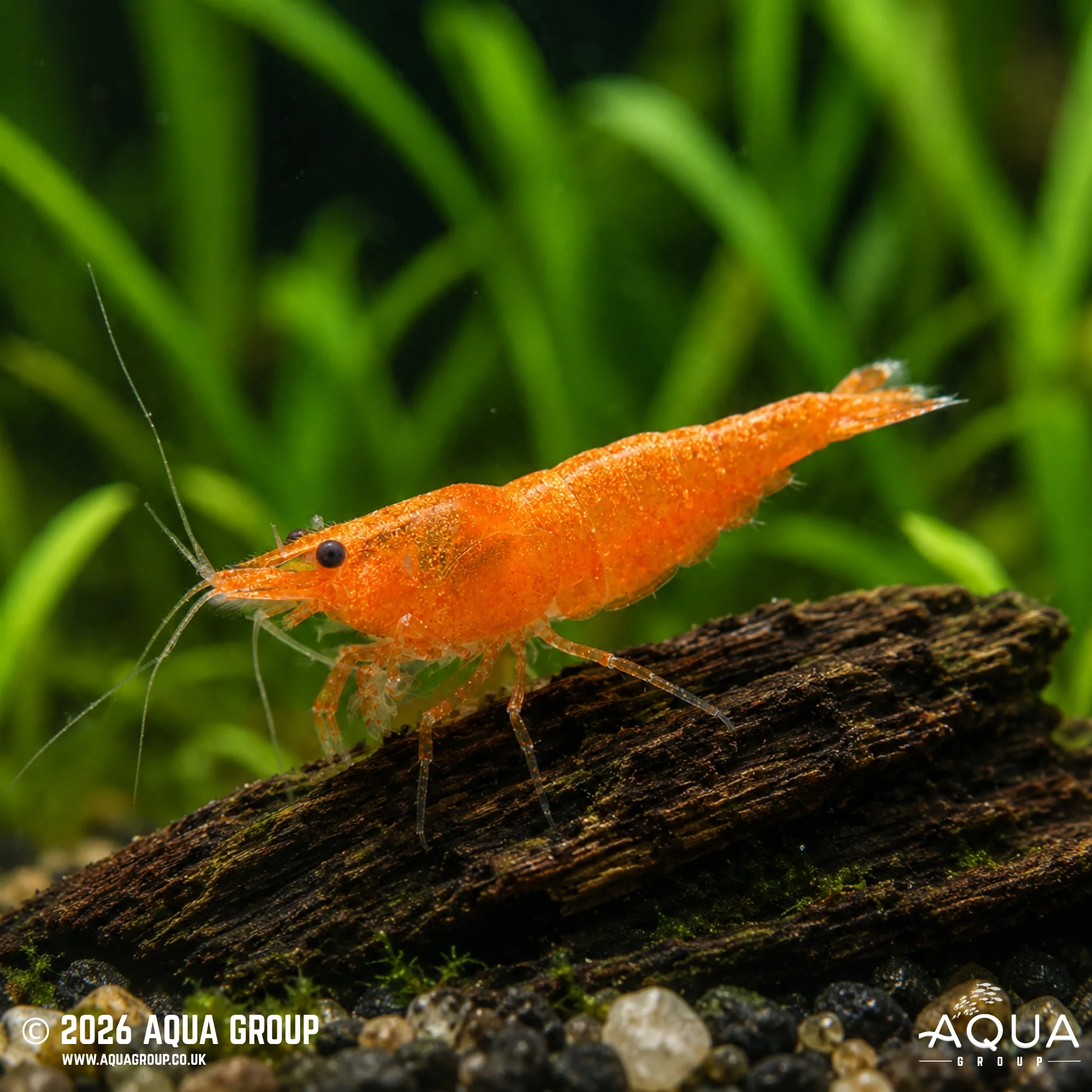
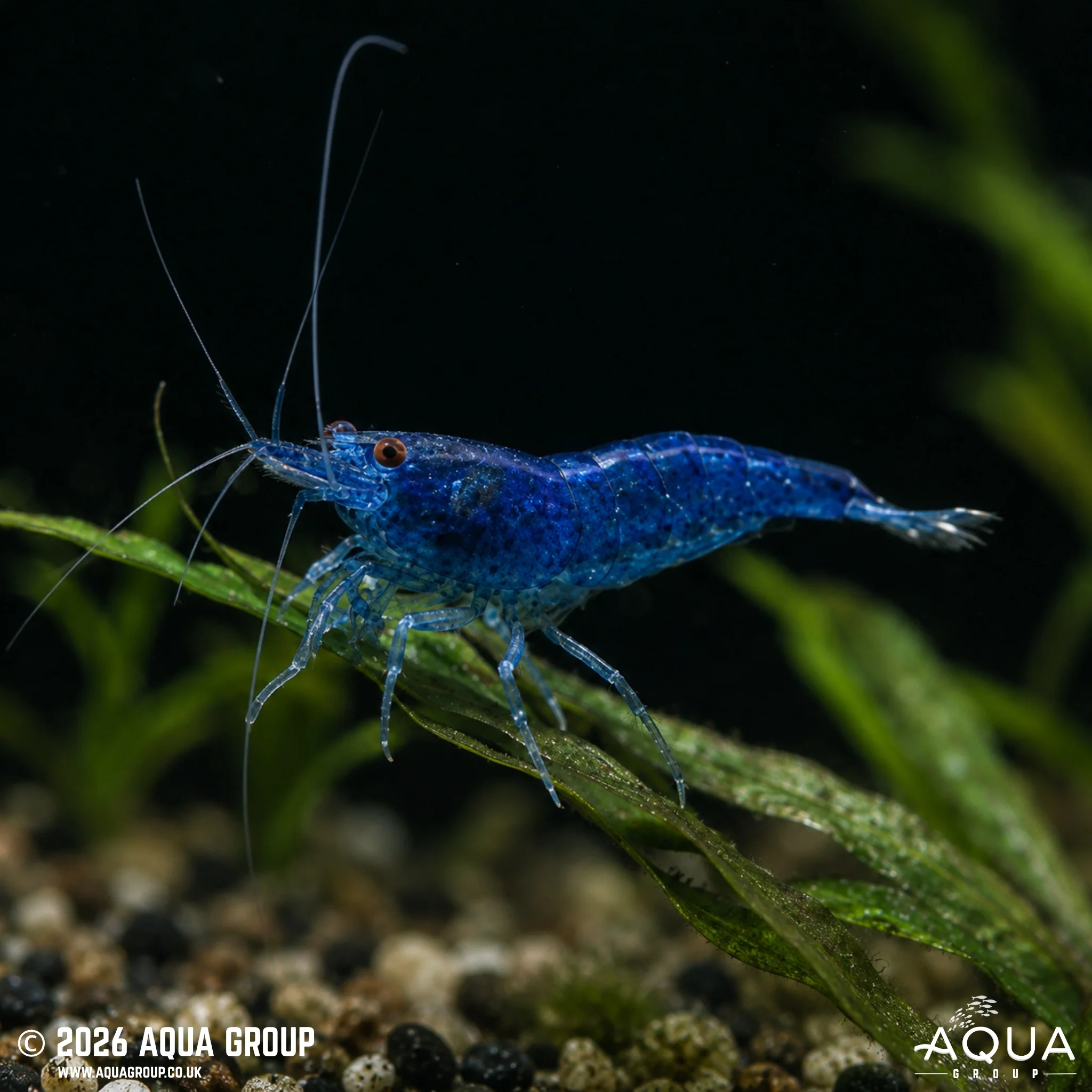
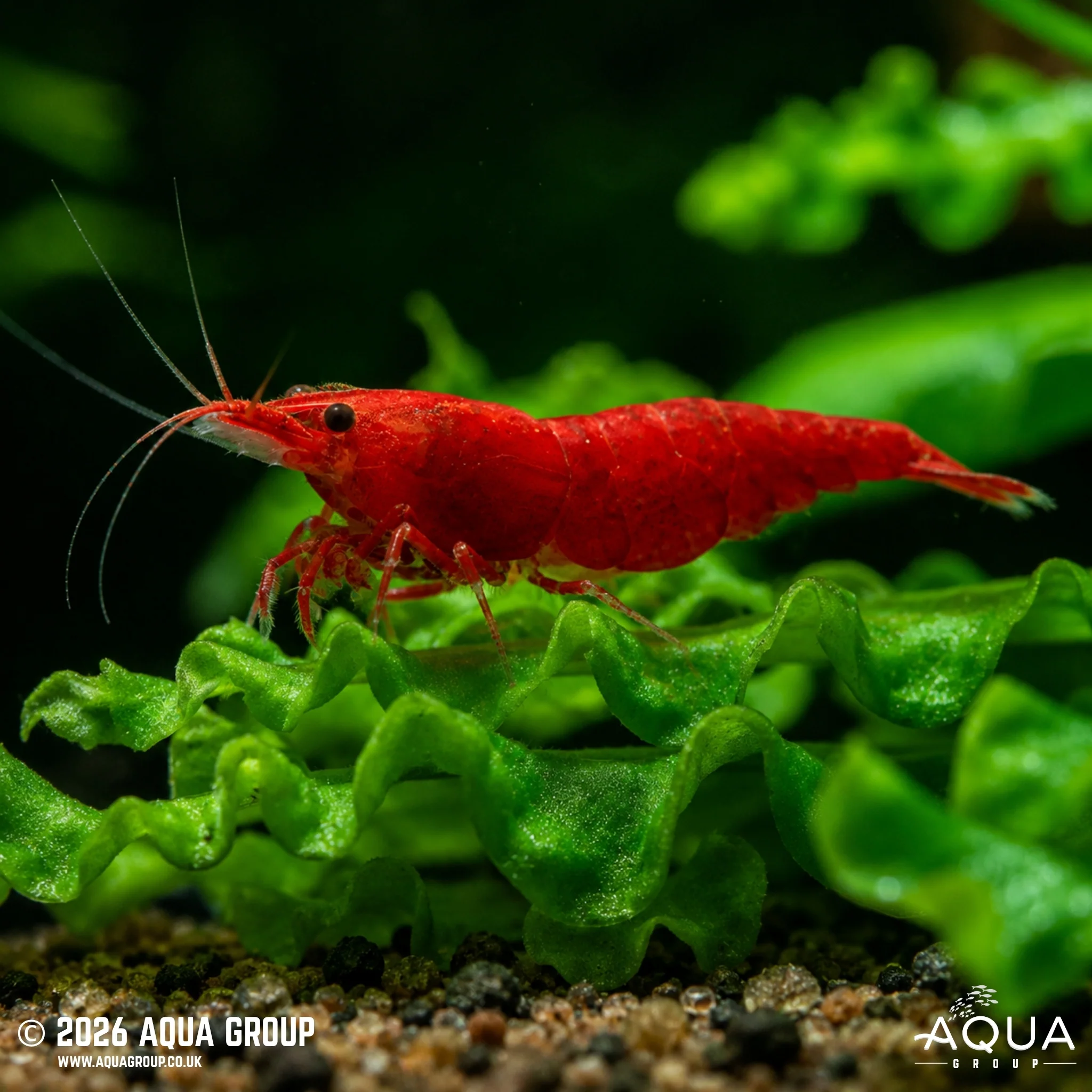
All images are a visual representation of the animal you will receive, made to be as accurate as possible. Please note that Mother Nature is a wonderful thing, and variation in patterns and colours will occur — that is part of the unique beauty of these animals.
Description
Emerald Green Shrimp (Neocaridina davidi var. “Emerald Green”)
The Emerald Green Shrimp is a beautiful captive-bred freshwater shrimp, prized for its rich green to emerald jade colouration, peaceful behaviour and constant grazing activity. This selectively bred Neocaridina strain adds a natural jewel-like contrast to planted aquariums, especially against darker substrate, mosses, wood and fine-leaved plants. Hardy, active and relatively easy to breed in the right conditions, Emerald Green Shrimp are a fantastic choice for shrimp tanks, peaceful nano aquariums and mature planted community setups.
Common Name:
Emerald Green Shrimp. Also commonly referred to as Green Jade Shrimp, Dark Green Jade Shrimp, Emerald Jade Shrimp, Green Neocaridina Shrimp or Green Cherry Shrimp.
Scientific Name (Latin):
Neocaridina davidi var. “Emerald Green”
Previously seen in older references as Neocaridina heteropoda.
Maximum Size:
Around 2.5–3.5 cm, with females usually growing larger and fuller-bodied than males.
Water Type:
Freshwater
Origin / Natural Habitat:
The Emerald Green Shrimp is a captive-bred colour strain. The wild form of Neocaridina davidi is native to parts of East Asia, including Taiwan, China, Korea and nearby regions, where it occurs in freshwater streams, rivers, ponds and vegetated waterways. Emerald Green Shrimp have been selectively bred for stronger green colour and do not occur naturally in this colour form in the wild.
Water Parameters:
Temperature: 18–25°C
pH Range: 6.5–8.0
Hardness: moderately hard water preferred
GH: around 6–10 dGH is a good practical target
KH: around 2–8 dKH is suitable, provided conditions are stable
Temperament:
Very peaceful. Emerald Green Shrimp are safe with other dwarf shrimp and calm nano fish, but they should not be kept with predatory, aggressive or highly curious fish that may pick at or eat them.
Diet:
Omnivorous grazer and scavenger. It should be offered a varied diet including biofilm, soft algae, shrimp pellets, algae wafers, blanched vegetables, leaf litter, botanicals, powdered shrimp foods and occasional protein-rich foods in small amounts. They will graze constantly, but should not be expected to survive only on leftover fish food.
Minimum Tank Size:
A practical recommendation is at least 20–40 litres for a small colony, with larger aquariums offering better stability and more grazing surfaces.
Behaviour & Activity:
This is an active dwarf shrimp that spends much of the day grazing across plants, moss, wood, rocks, substrate and aquarium glass. In a settled colony, females may carry eggs beneath the body, with young shrimp hatching as tiny fully formed shrimplets rather than going through a free-swimming larval stage. They are most confident in groups and do especially well in mature planted aquariums with mosses, fine-leaved plants and plenty of hiding places.
Aquarium Category:
Community Invertebrate
This species is peaceful and suitable for shrimp-only aquariums or very calm freshwater community setups. Suitable tank mates include small peaceful rasboras, micro tetras, Otocinclus, small Corydoras, peaceful snails and other non-aggressive nano fish. Avoid puffers, loaches, large cichlids, angelfish, bettas with strong hunting behaviour, large gouramis and any fish likely to eat small shrimp or shrimplets.
Special Requirements or Care Notes:
Best kept in a mature, stable aquarium with established biofilm, gentle filtration and no sudden swings in temperature, pH or hardness. Use a sponge filter or cover filter intakes to prevent shrimplets being pulled in. Avoid copper-based treatments, as copper can be dangerous to shrimp and other invertebrates. Stable water is more important than chasing perfect numbers, and new shrimp should be acclimated slowly to reduce moult stress. To preserve strong green colour, avoid mixing Emerald Green Shrimp with other Neocaridina colour strains, as offspring may revert towards wild-type brown or mixed colours.
Suitable for:
Beginner to intermediate shrimp keepers
Availability:
Occasional in trade, usually as captive-bred stock
All images are a visual representation of the animal you will receive, made to be as accurate as possible. Please note that Mother Nature is a wonderful thing, and variation in patterns and colours will occur — that is part of the unique beauty of these animals.