Original: $463.15
-65%$463.15
$162.10The Story
False Personifer Angelfish (Chaetodontoplus meredithi)
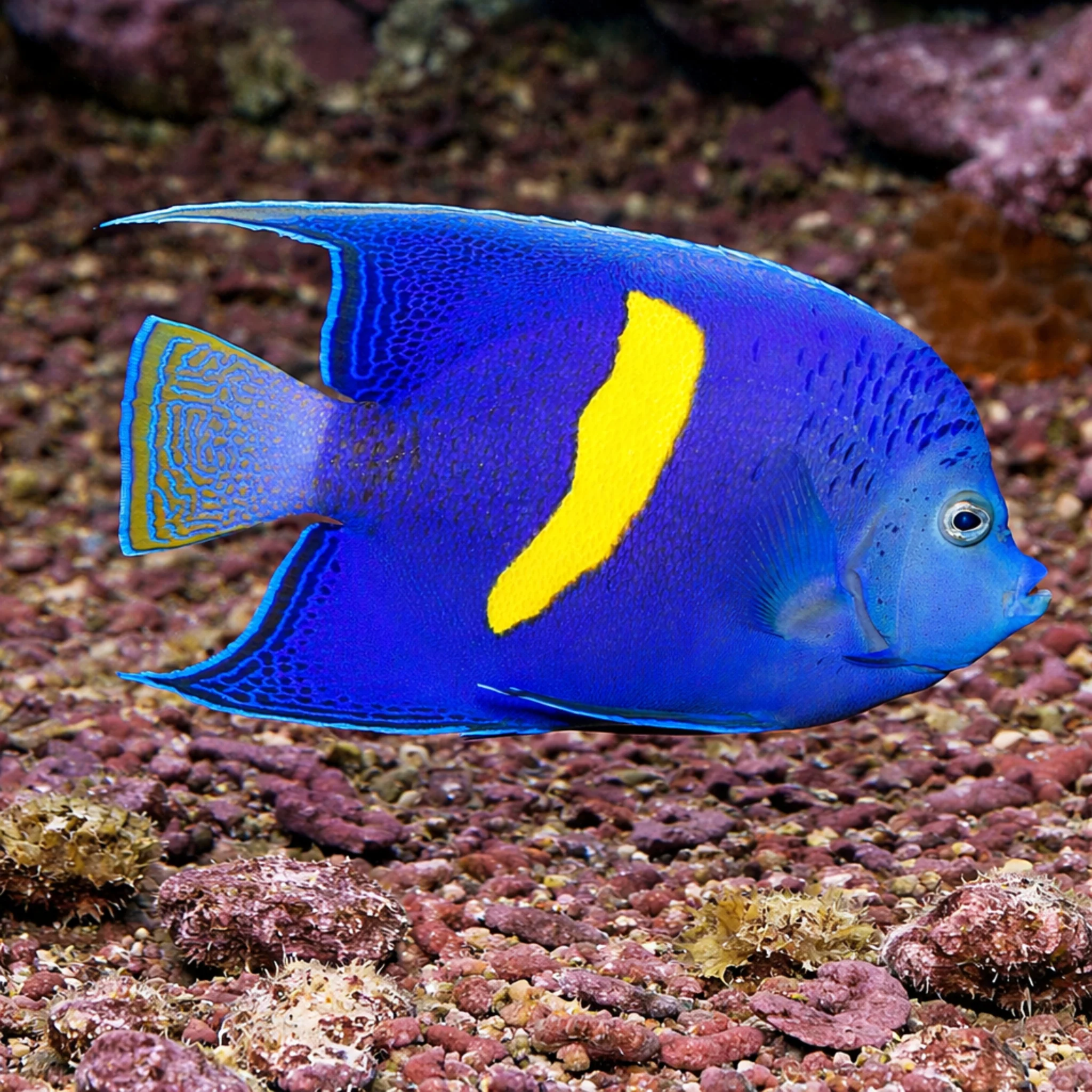
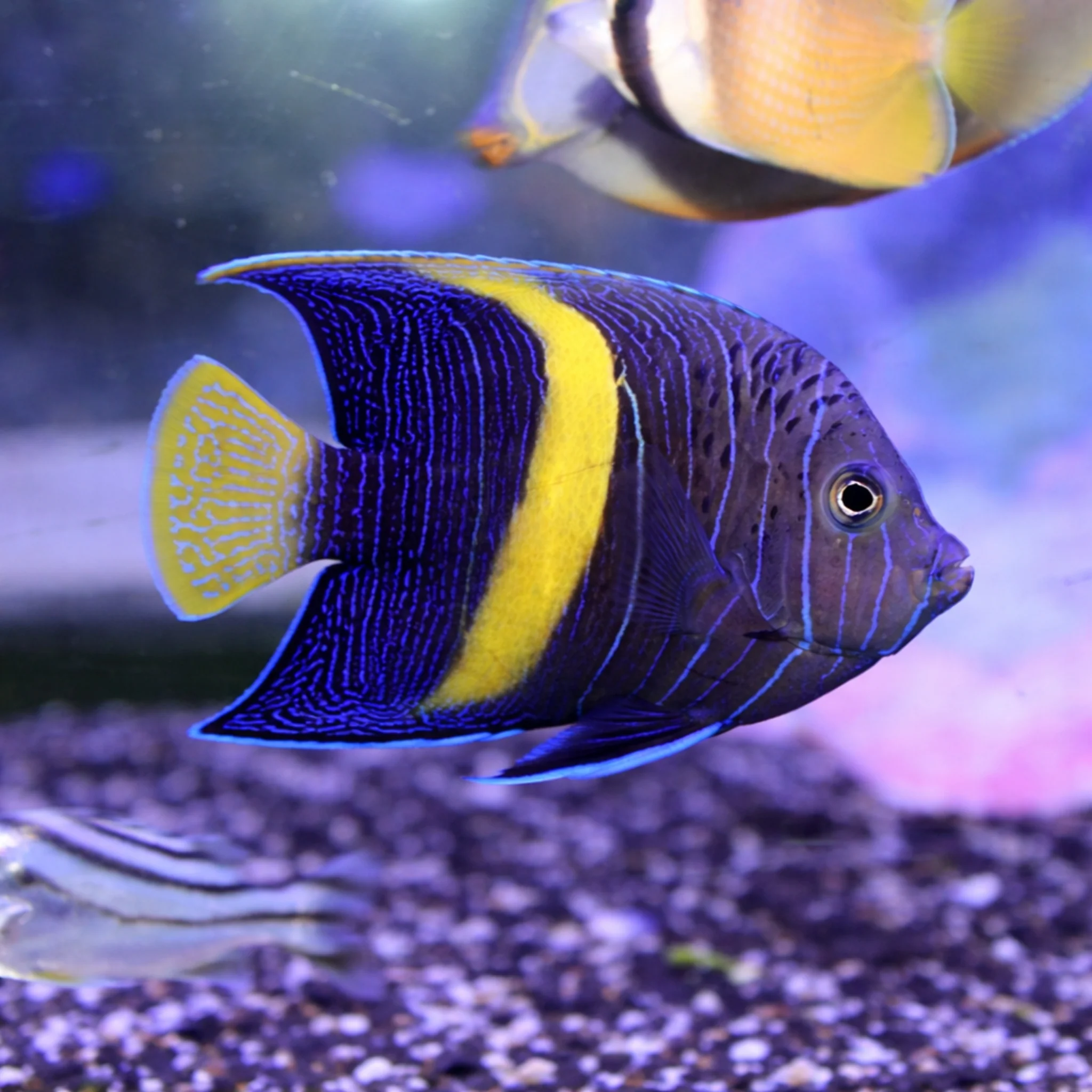
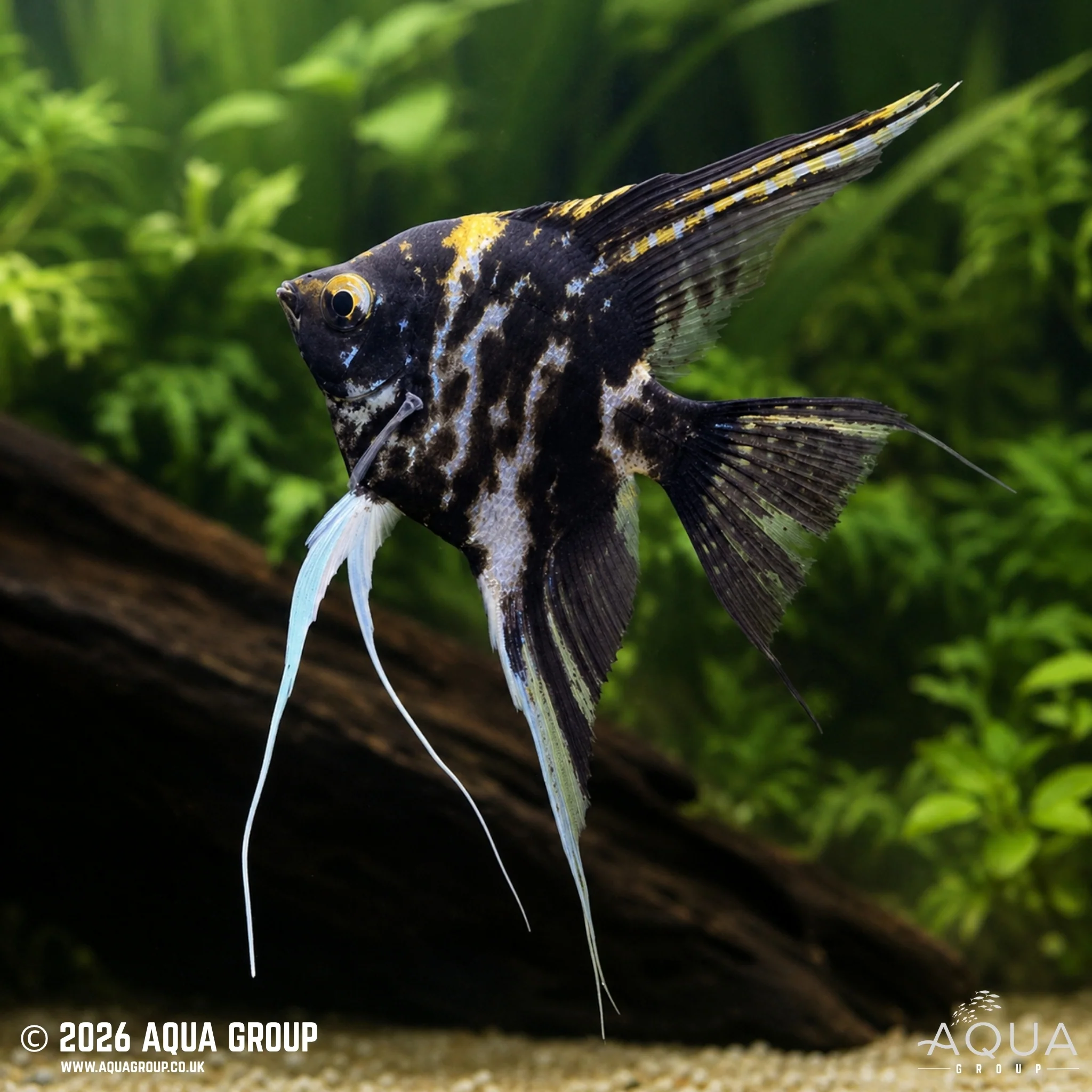
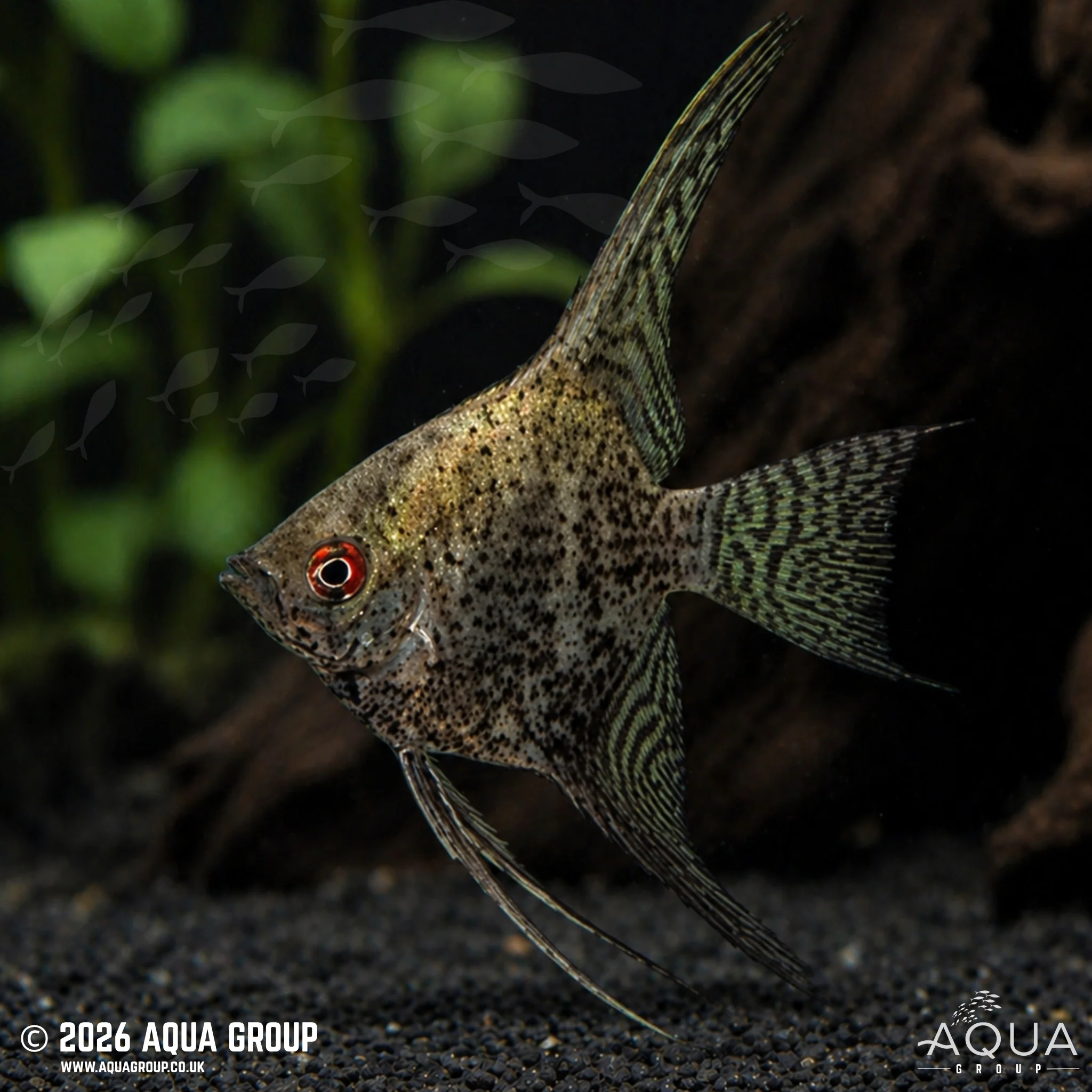
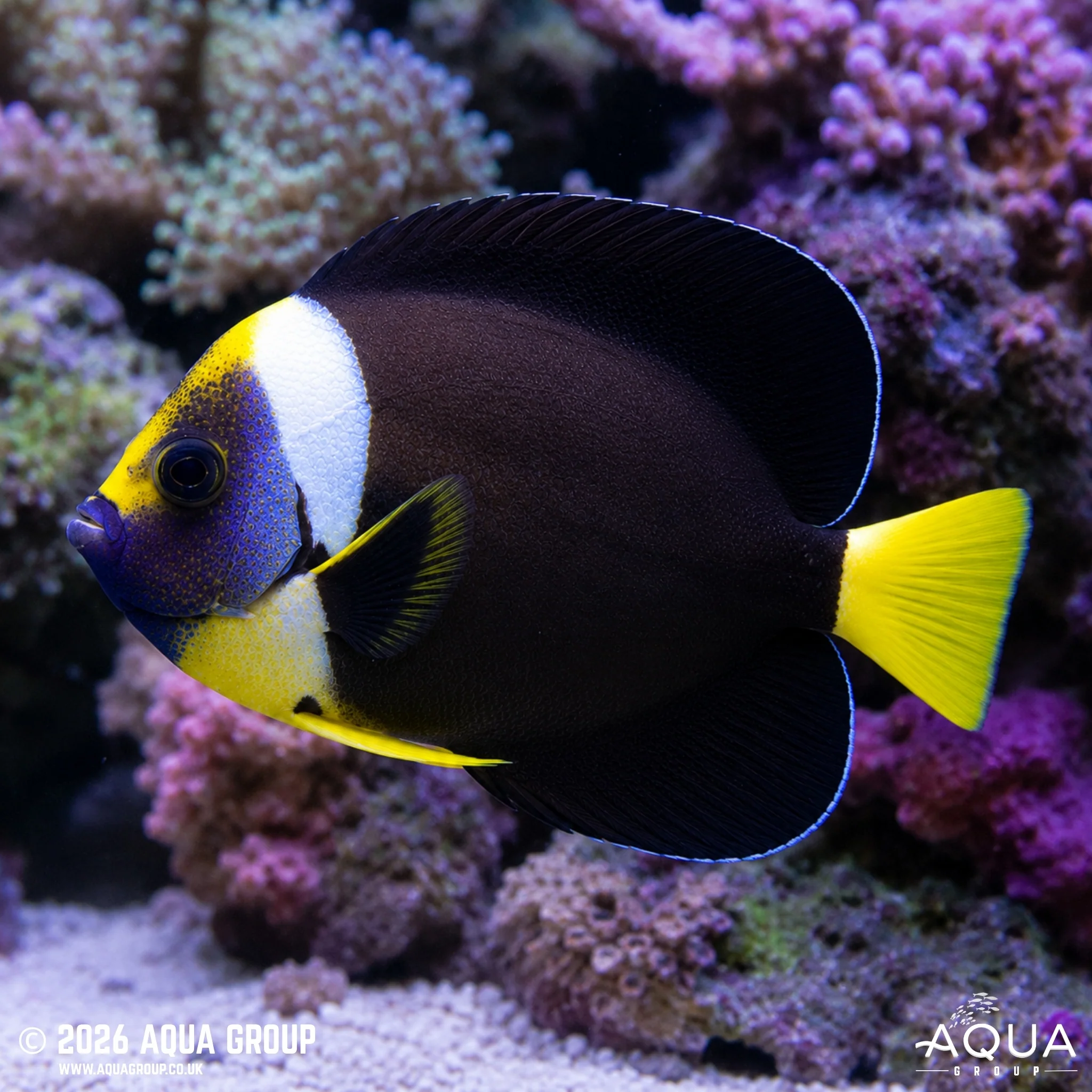
The False Personifer Angelfish is a stunning Australian marine angelfish, prized for its bold black body, blue-grey face with yellow spotting, bright yellow tail and clean white vertical band behind the head. Also known as Meredith’s Angelfish or the Queensland Yellowtail Angelfish, this is a premium large angelfish best suited to spacious, mature marine aquariums. Although impressive and full of character, it is not a beginner species and should be planned for as a large, specialist fish with a natural diet based heavily around sponge and tunicate material.
Common Name:
False Personifer Angelfish. Also commonly referred to as Meredith’s Angelfish, Queensland Yellowtail Angelfish, Yellowtail Angelfish, Yellow-Finned Angelfish or False Personifer Angel.
Scientific Name (Latin):
Chaetodontoplus meredithi
Maximum Size:
Around 25–30 cm, making it a large marine angelfish that needs generous swimming space and strong filtration.
Water Type:
Marine.
Origin / Natural Habitat:
Endemic to eastern Australia, including Queensland, New South Wales and Lord Howe Island. In the wild it is found around coastal reefs, deeper outer reefs, rocky open bottoms, coral areas, sponge growth and seawhip outcrops. Juveniles may occur around protected areas such as jetties and sponge-rich zones, while adults are more often found deeper, either singly, in pairs or in small groups.
Water Parameters:
Temperature: 24–27°C
pH Range: 8.1–8.4
Salinity: 1.020–1.025 SG
Temperament:
Semi-aggressive. It is generally manageable with robust marine fish in a suitably large aquarium, but may become territorial towards similar angelfish, closely shaped fish or newly introduced tank mates.
Diet:
Omnivorous sponge and tunicate grazer. In the aquarium it should be offered a varied diet including specialist marine angelfish preparations with sponge content, frozen mysis, brineshrimp, krill, chopped clam, mussel, cockle, prawn, marine algae, spirulina, nori and high-quality marine pellets. Several smaller feeds per day are recommended, especially while settling.
Minimum Tank Size:
A practical long-term recommendation is at least 700–800 litres for a single adult, with larger aquariums strongly preferred for mixed communities or if keeping with other large marine fish.
Behaviour & Activity:
This is an active reef-associated angelfish that spends much of the day swimming around rockwork, browsing surfaces and investigating sponge-rich areas for food. It benefits from open swimming room, mature live rock, caves, shaded retreats and clear territory breaks. Adults are often confident once settled, but newly introduced specimens may be shy at first.
Reef Safe:
Not Reef Safe
This species is not recommended for coral reef aquariums. It may nip at soft corals, LPS corals, SPS polyps, sponges, tunicates, clam mantles and other sessile invertebrates. It is better suited to fish-only marine aquariums or FOWLR systems where coral and ornamental invertebrate damage is not a concern.
Special Requirements or Care Notes:
Best kept in a mature, stable marine aquarium with excellent filtration, strong oxygenation and plenty of established rockwork. This is a large, high-value angelfish that should be quarantined and acclimated carefully. A diet including sponge-based angelfish foods is strongly recommended for long-term condition. Avoid keeping with very timid fish, aggressive predators or other large angelfish unless the aquarium is exceptionally spacious and the keeper is experienced.
Suitable for:
Experienced marine fishkeepers
Availability:
Rare / occasional in trade
All images are a visual representation of the fish you will receive, made to be as accurate as possible. Please note that Mother Nature is a wonderful thing, and variation in patterns and colours will occur — that is part of the unique beauty of these animals.

Details & Craftsmanship
Every detail has been carefully considered to bring you the perfect product.

Details & Craftsmanship
Every detail has been carefully considered to bring you the perfect product.

Details & Craftsmanship
Every detail has been carefully considered to bring you the perfect product.

Details & Craftsmanship
Every detail has been carefully considered to bring you the perfect product.
Description
False Personifer Angelfish (Chaetodontoplus meredithi)
The False Personifer Angelfish is a stunning Australian marine angelfish, prized for its bold black body, blue-grey face with yellow spotting, bright yellow tail and clean white vertical band behind the head. Also known as Meredith’s Angelfish or the Queensland Yellowtail Angelfish, this is a premium large angelfish best suited to spacious, mature marine aquariums. Although impressive and full of character, it is not a beginner species and should be planned for as a large, specialist fish with a natural diet based heavily around sponge and tunicate material.
Common Name:
False Personifer Angelfish. Also commonly referred to as Meredith’s Angelfish, Queensland Yellowtail Angelfish, Yellowtail Angelfish, Yellow-Finned Angelfish or False Personifer Angel.
Scientific Name (Latin):
Chaetodontoplus meredithi
Maximum Size:
Around 25–30 cm, making it a large marine angelfish that needs generous swimming space and strong filtration.
Water Type:
Marine.
Origin / Natural Habitat:
Endemic to eastern Australia, including Queensland, New South Wales and Lord Howe Island. In the wild it is found around coastal reefs, deeper outer reefs, rocky open bottoms, coral areas, sponge growth and seawhip outcrops. Juveniles may occur around protected areas such as jetties and sponge-rich zones, while adults are more often found deeper, either singly, in pairs or in small groups.
Water Parameters:
Temperature: 24–27°C
pH Range: 8.1–8.4
Salinity: 1.020–1.025 SG
Temperament:
Semi-aggressive. It is generally manageable with robust marine fish in a suitably large aquarium, but may become territorial towards similar angelfish, closely shaped fish or newly introduced tank mates.
Diet:
Omnivorous sponge and tunicate grazer. In the aquarium it should be offered a varied diet including specialist marine angelfish preparations with sponge content, frozen mysis, brineshrimp, krill, chopped clam, mussel, cockle, prawn, marine algae, spirulina, nori and high-quality marine pellets. Several smaller feeds per day are recommended, especially while settling.
Minimum Tank Size:
A practical long-term recommendation is at least 700–800 litres for a single adult, with larger aquariums strongly preferred for mixed communities or if keeping with other large marine fish.
Behaviour & Activity:
This is an active reef-associated angelfish that spends much of the day swimming around rockwork, browsing surfaces and investigating sponge-rich areas for food. It benefits from open swimming room, mature live rock, caves, shaded retreats and clear territory breaks. Adults are often confident once settled, but newly introduced specimens may be shy at first.
Reef Safe:
Not Reef Safe
This species is not recommended for coral reef aquariums. It may nip at soft corals, LPS corals, SPS polyps, sponges, tunicates, clam mantles and other sessile invertebrates. It is better suited to fish-only marine aquariums or FOWLR systems where coral and ornamental invertebrate damage is not a concern.
Special Requirements or Care Notes:
Best kept in a mature, stable marine aquarium with excellent filtration, strong oxygenation and plenty of established rockwork. This is a large, high-value angelfish that should be quarantined and acclimated carefully. A diet including sponge-based angelfish foods is strongly recommended for long-term condition. Avoid keeping with very timid fish, aggressive predators or other large angelfish unless the aquarium is exceptionally spacious and the keeper is experienced.
Suitable for:
Experienced marine fishkeepers
Availability:
Rare / occasional in trade
All images are a visual representation of the fish you will receive, made to be as accurate as possible. Please note that Mother Nature is a wonderful thing, and variation in patterns and colours will occur — that is part of the unique beauty of these animals.