Original: $40.27
-65%$40.27
$14.09The Story
Blue Mandarin (Synchiropus splendidus)
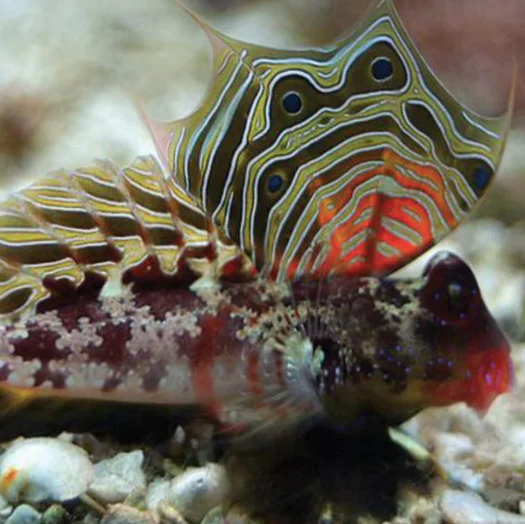
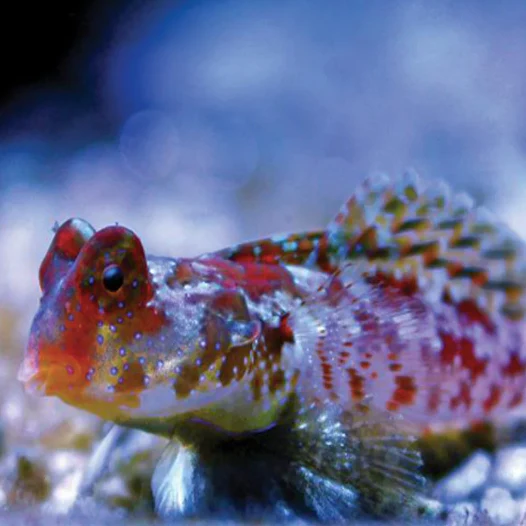
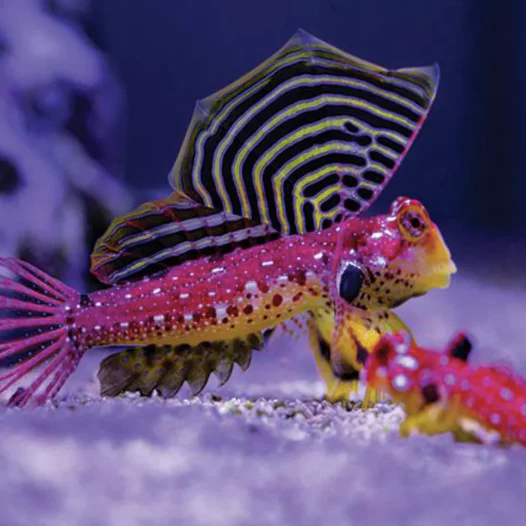
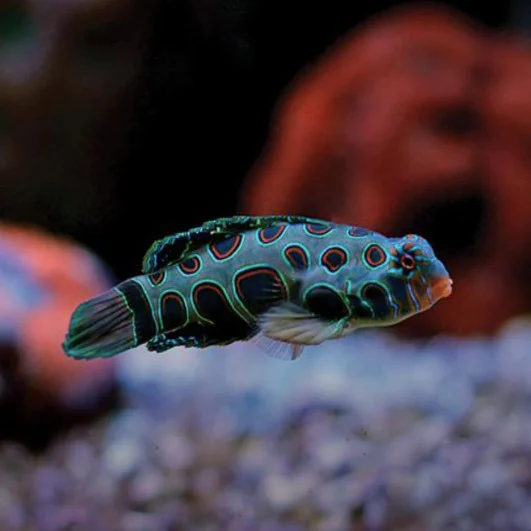
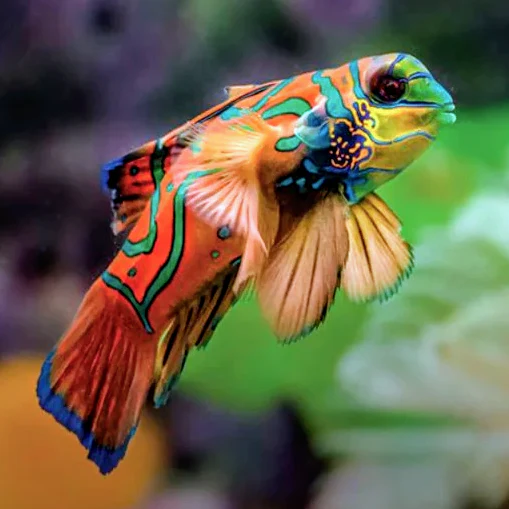
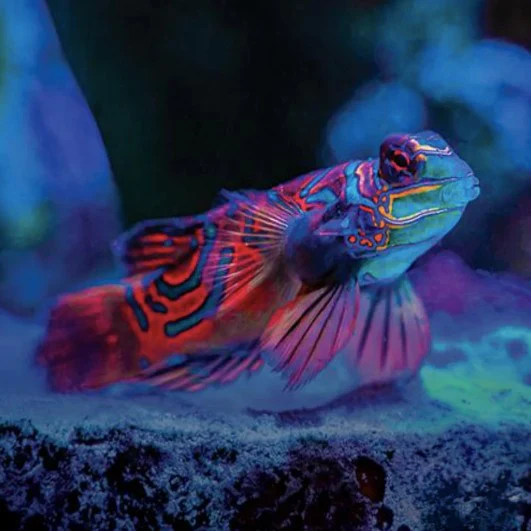
The Blue Mandarin, Synchiropus splendidus, is one of the most spectacular small marine fish, admired for its vivid blue, green, orange and red maze-like patterning. Also known as the Green Mandarin, Mandarin Dragonet, Striped Mandarin or Mandarin Goby, this Western Pacific species is a peaceful reef fish with a beautiful gliding movement over rockwork and sand. It is reef safe and highly desirable, but it is a specialist feeder that requires a mature aquarium with a strong copepod population or a reliable feeding plan.
Common Name:
Blue Mandarin, Green Mandarin, Mandarin Dragonet, Striped Mandarin, Mandarinfish, Mandarin Goby.
Scientific Name (Latin):
Synchiropus splendidus
Maximum Size:
Up to around 7 cm.
Water Type:
Marine
Origin / Natural Habitat:
Western Pacific, from the Ryukyu Islands south to Australia. Naturally found in shallow protected lagoons and inshore reefs, especially over silty bottoms with coral and rubble, usually at depths of around 1–18 m. It is often seen moving slowly over rubble and reef structure while hunting tiny prey.
Water Parameters:
Temperature: 24–27°C
pH Range: 8.1–8.4
Hardness or Salinity: SG 1.023–1.025
Temperament:
Very peaceful and non-aggressive towards most fish. Best kept with calm reef-safe tank mates that will not bully it or outcompete it for food. Males may fight with other male mandarins, so pairs or groups should only be attempted with careful sexing and enough space.
Diet:
Specialist micro-predator. In nature and in aquariums, Blue Mandarins spend much of the day picking tiny crustaceans and microfauna from rockwork and substrate. A mature reef with abundant copepods is strongly recommended. Captive-bred specimens or well-conditioned individuals may accept frozen copepods, enriched brineshrimp, finely chopped mysis, cyclops, calanus or small prepared foods, but prepared-food acceptance should not be assumed.
Minimum Tank Size:
A minimum of 200 litres is recommended for a single specimen in a mature, pod-rich reef aquarium. Smaller aquariums may work only for captive-bred or trained feeders with regular target feeding and copepod supplementation, but long-term success is much more reliable in established systems with refugiums or abundant live rock.
Behaviour & Activity:
A slow, deliberate bottom-roaming dragonet that spends much of its time gliding over live rock, rubble and sand while pecking at tiny prey. It is not a strong competitor at feeding time and can lose weight quietly if food is insufficient. Males have a taller, more extended first dorsal fin than females. It may perform attractive dusk courtship rises in settled pairs.
Reef Safe:
Reef Safe
Safe with corals, snails, hermit crabs, cleaner shrimps and most peaceful ornamental invertebrates. It does not nip corals or disturb reef structure. Very tiny copepods and other microcrustaceans will be eaten as part of its natural diet, so the aquarium should be mature enough to support ongoing grazing.
Special Requirements or Care Notes:
Requires a mature, stable marine aquarium with established live rock and a strong copepod population. A refugium, regular pod supplementation or a reliable target-feeding routine can be very helpful. Avoid newly set-up tanks, aggressive fish, fast-feeding wrasses and other heavy pod predators in smaller systems. Captive-bred Blue Mandarins are strongly preferred where available because they are often better adapted to prepared foods. Check body condition regularly; a pinched belly is a warning sign that the fish is not getting enough food.
Suitable for:
Experienced fishkeepers
Availability:
Common in trade / Captive-bred where relevant
All images are a visual representation of the fish you will receive, made to be as accurate as possible. Please note that Mother Nature is a wonderful thing, and variation in patterns and colours will occur — that is part of the unique beauty of these animals.
Description
Blue Mandarin (Synchiropus splendidus)
The Blue Mandarin, Synchiropus splendidus, is one of the most spectacular small marine fish, admired for its vivid blue, green, orange and red maze-like patterning. Also known as the Green Mandarin, Mandarin Dragonet, Striped Mandarin or Mandarin Goby, this Western Pacific species is a peaceful reef fish with a beautiful gliding movement over rockwork and sand. It is reef safe and highly desirable, but it is a specialist feeder that requires a mature aquarium with a strong copepod population or a reliable feeding plan.
Common Name:
Blue Mandarin, Green Mandarin, Mandarin Dragonet, Striped Mandarin, Mandarinfish, Mandarin Goby.
Scientific Name (Latin):
Synchiropus splendidus
Maximum Size:
Up to around 7 cm.
Water Type:
Marine
Origin / Natural Habitat:
Western Pacific, from the Ryukyu Islands south to Australia. Naturally found in shallow protected lagoons and inshore reefs, especially over silty bottoms with coral and rubble, usually at depths of around 1–18 m. It is often seen moving slowly over rubble and reef structure while hunting tiny prey.
Water Parameters:
Temperature: 24–27°C
pH Range: 8.1–8.4
Hardness or Salinity: SG 1.023–1.025
Temperament:
Very peaceful and non-aggressive towards most fish. Best kept with calm reef-safe tank mates that will not bully it or outcompete it for food. Males may fight with other male mandarins, so pairs or groups should only be attempted with careful sexing and enough space.
Diet:
Specialist micro-predator. In nature and in aquariums, Blue Mandarins spend much of the day picking tiny crustaceans and microfauna from rockwork and substrate. A mature reef with abundant copepods is strongly recommended. Captive-bred specimens or well-conditioned individuals may accept frozen copepods, enriched brineshrimp, finely chopped mysis, cyclops, calanus or small prepared foods, but prepared-food acceptance should not be assumed.
Minimum Tank Size:
A minimum of 200 litres is recommended for a single specimen in a mature, pod-rich reef aquarium. Smaller aquariums may work only for captive-bred or trained feeders with regular target feeding and copepod supplementation, but long-term success is much more reliable in established systems with refugiums or abundant live rock.
Behaviour & Activity:
A slow, deliberate bottom-roaming dragonet that spends much of its time gliding over live rock, rubble and sand while pecking at tiny prey. It is not a strong competitor at feeding time and can lose weight quietly if food is insufficient. Males have a taller, more extended first dorsal fin than females. It may perform attractive dusk courtship rises in settled pairs.
Reef Safe:
Reef Safe
Safe with corals, snails, hermit crabs, cleaner shrimps and most peaceful ornamental invertebrates. It does not nip corals or disturb reef structure. Very tiny copepods and other microcrustaceans will be eaten as part of its natural diet, so the aquarium should be mature enough to support ongoing grazing.
Special Requirements or Care Notes:
Requires a mature, stable marine aquarium with established live rock and a strong copepod population. A refugium, regular pod supplementation or a reliable target-feeding routine can be very helpful. Avoid newly set-up tanks, aggressive fish, fast-feeding wrasses and other heavy pod predators in smaller systems. Captive-bred Blue Mandarins are strongly preferred where available because they are often better adapted to prepared foods. Check body condition regularly; a pinched belly is a warning sign that the fish is not getting enough food.
Suitable for:
Experienced fishkeepers
Availability:
Common in trade / Captive-bred where relevant
All images are a visual representation of the fish you will receive, made to be as accurate as possible. Please note that Mother Nature is a wonderful thing, and variation in patterns and colours will occur — that is part of the unique beauty of these animals.