Original: $4.63
-65%$4.63
$1.62The Story
Otocinclus Arnoldi (Otocinclus arnoldi)
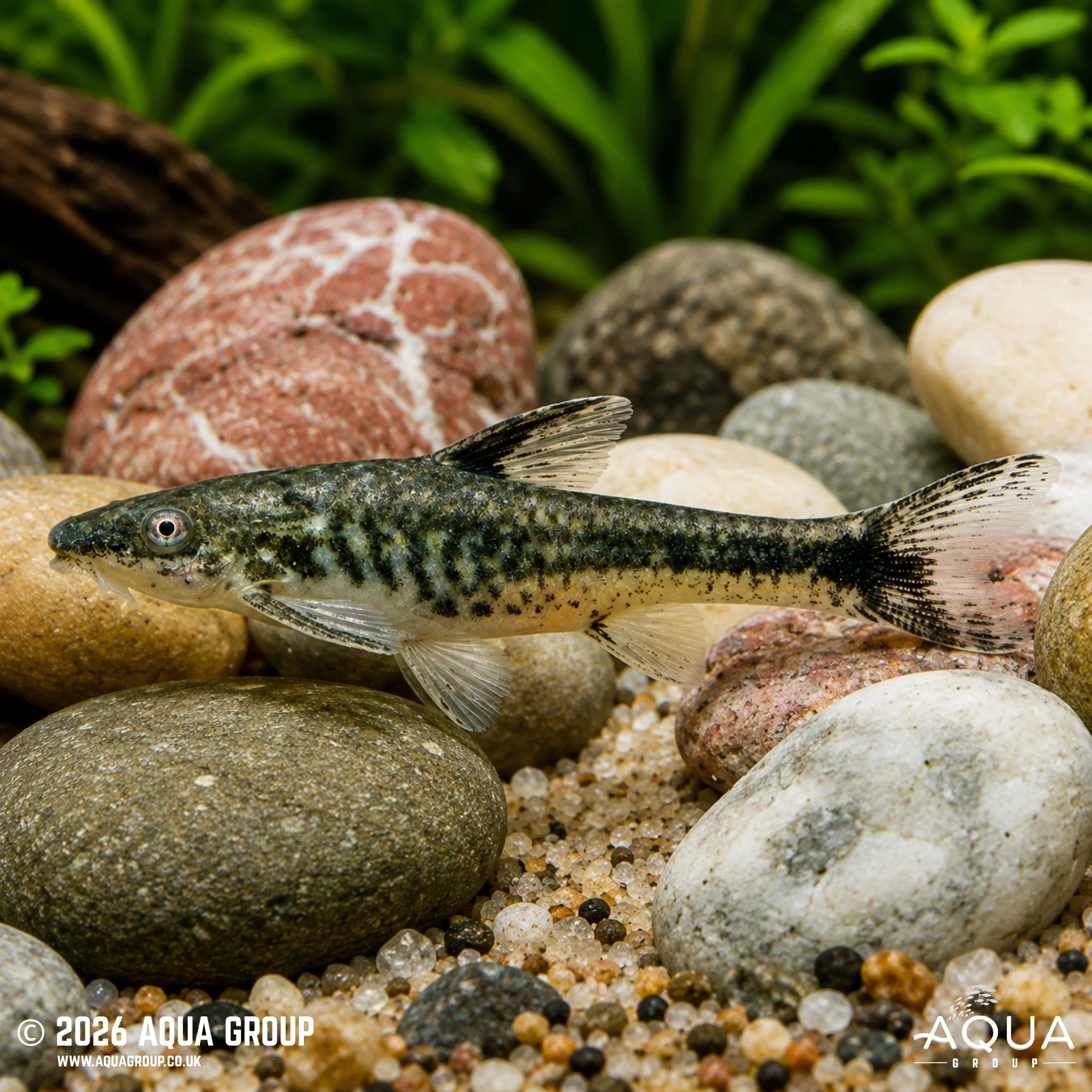
Otocinclus Arnoldi is a small, peaceful South American algae-grazing catfish, also known as the La Plata Oto. Like other Otocinclus, it is best kept in a mature planted aquarium where it can graze naturally across plant leaves, wood, stones and glass. This is a gentle, social species that works well in calm community aquariums, but it should be treated as a specialist grazer rather than a simple “clean-up crew” fish, as it needs stable water quality and regular supplementary feeding.
Common Name:
Otocinclus Arnoldi. Also commonly referred to as the La Plata Oto, Arnold’s Oto, Dwarf Suckermouth Catfish or Oto Catfish.
Scientific Name (Latin):
Otocinclus arnoldi
Maximum Size:
Around 4.8–6 cm, depending on source and measurement method. Most aquarium specimens remain small and slim-bodied.
Water Type:
Freshwater
Origin / Natural Habitat:
Native to South America, particularly the lower Río Paraná drainage, the lower and middle Río Uruguay, and the Río de la Plata region. In the wild, it is associated with densely planted river margins and vegetated banks where it grazes on algae, biofilm and fine organic matter.
Water Parameters:
Temperature: 20–25°C
pH Range: 5.5–7.5
Hardness: soft to moderately hard water
Temperament:
Very peaceful and non-aggressive. It is best kept with other small, calm fish and should not be housed with aggressive, boisterous or predatory tank mates that may stress it or outcompete it for food.
Diet:
Primarily herbivorous grazer. It feeds naturally on algae, biofilm, aufwuchs and fine organic matter. In the aquarium it should be offered algae wafers, spirulina-based foods, vegetable-based sinking foods, blanched courgette, spinach and other suitable plant-based foods. A mature aquarium with natural grazing surfaces is strongly recommended, as Otocinclus can struggle in new or overly clean aquariums.
Minimum Tank Size:
A practical recommendation is at least 80 litres for a proper group, with larger aquariums preferred where there is more surface area for natural grazing.
Behaviour & Activity:
This is a peaceful, social bottom and surface-grazing catfish that spends much of its time attached to plant leaves, glass, wood, stones and décor. It should be kept in a group of at least 6, ideally more, as Otocinclus are naturally sociable and become more confident in numbers. Healthy specimens are often active during the day, constantly grazing across aquarium surfaces.
Aquarium Category:
Community Fish
This species is peaceful and suitable for calm planted community aquariums. Good tank mates include small tetras, rasboras, pencilfish, dwarf Corydoras, peaceful gouramis, small rainbowfish, shrimp, snails and other non-aggressive species. Avoid large cichlids, predatory fish, aggressive bottom-dwellers, fin nippers and very fast-feeding species that may prevent it from getting enough food.
Special Requirements or Care Notes:
Best kept in a mature, well-planted aquarium with excellent water quality, low nitrate, no ammonia or nitrite, gentle to moderate flow and plenty of natural biofilm. Do not add to brand-new aquariums. Otocinclus often arrive thin after import, so ensure food is available immediately and monitor body condition carefully. Provide broad-leaved plants, bogwood, smooth stones and established grazing surfaces. Supplement feeding even if algae is visible, as aquarium algae alone is rarely enough long-term.
Suitable for:
Intermediate fishkeepers
Availability:
Rare / occasional in trade
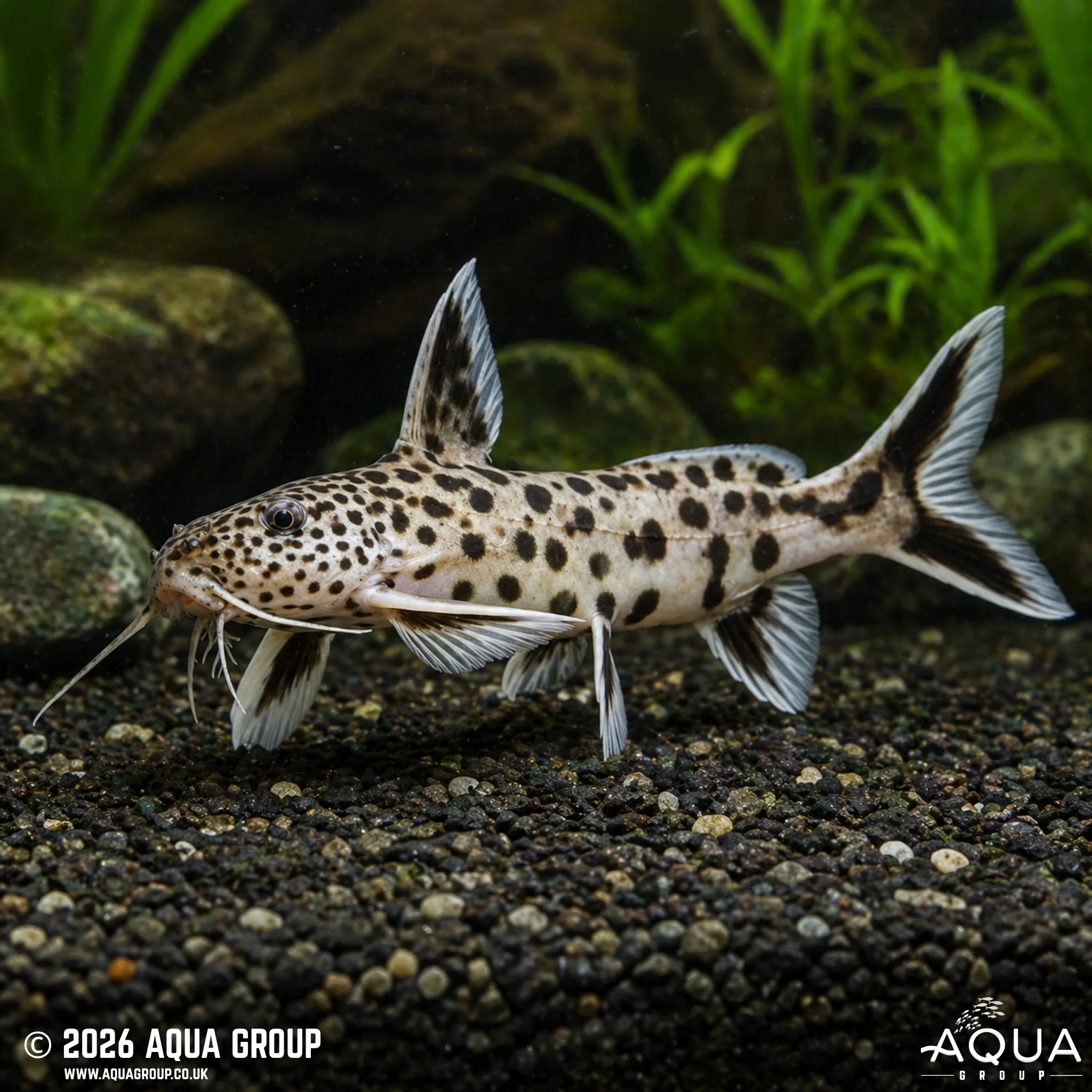
All images are a visual representation of the fish you will receive, made to be as accurate as possible. Please note that Mother Nature is a wonderful thing, and variation in patterns and colours will occur — that is part of the unique beauty of these animals.
Description
Otocinclus Arnoldi (Otocinclus arnoldi)
Otocinclus Arnoldi is a small, peaceful South American algae-grazing catfish, also known as the La Plata Oto. Like other Otocinclus, it is best kept in a mature planted aquarium where it can graze naturally across plant leaves, wood, stones and glass. This is a gentle, social species that works well in calm community aquariums, but it should be treated as a specialist grazer rather than a simple “clean-up crew” fish, as it needs stable water quality and regular supplementary feeding.
Common Name:
Otocinclus Arnoldi. Also commonly referred to as the La Plata Oto, Arnold’s Oto, Dwarf Suckermouth Catfish or Oto Catfish.
Scientific Name (Latin):
Otocinclus arnoldi
Maximum Size:
Around 4.8–6 cm, depending on source and measurement method. Most aquarium specimens remain small and slim-bodied.
Water Type:
Freshwater
Origin / Natural Habitat:
Native to South America, particularly the lower Río Paraná drainage, the lower and middle Río Uruguay, and the Río de la Plata region. In the wild, it is associated with densely planted river margins and vegetated banks where it grazes on algae, biofilm and fine organic matter.
Water Parameters:
Temperature: 20–25°C
pH Range: 5.5–7.5
Hardness: soft to moderately hard water
Temperament:
Very peaceful and non-aggressive. It is best kept with other small, calm fish and should not be housed with aggressive, boisterous or predatory tank mates that may stress it or outcompete it for food.
Diet:
Primarily herbivorous grazer. It feeds naturally on algae, biofilm, aufwuchs and fine organic matter. In the aquarium it should be offered algae wafers, spirulina-based foods, vegetable-based sinking foods, blanched courgette, spinach and other suitable plant-based foods. A mature aquarium with natural grazing surfaces is strongly recommended, as Otocinclus can struggle in new or overly clean aquariums.
Minimum Tank Size:
A practical recommendation is at least 80 litres for a proper group, with larger aquariums preferred where there is more surface area for natural grazing.
Behaviour & Activity:
This is a peaceful, social bottom and surface-grazing catfish that spends much of its time attached to plant leaves, glass, wood, stones and décor. It should be kept in a group of at least 6, ideally more, as Otocinclus are naturally sociable and become more confident in numbers. Healthy specimens are often active during the day, constantly grazing across aquarium surfaces.
Aquarium Category:
Community Fish
This species is peaceful and suitable for calm planted community aquariums. Good tank mates include small tetras, rasboras, pencilfish, dwarf Corydoras, peaceful gouramis, small rainbowfish, shrimp, snails and other non-aggressive species. Avoid large cichlids, predatory fish, aggressive bottom-dwellers, fin nippers and very fast-feeding species that may prevent it from getting enough food.
Special Requirements or Care Notes:
Best kept in a mature, well-planted aquarium with excellent water quality, low nitrate, no ammonia or nitrite, gentle to moderate flow and plenty of natural biofilm. Do not add to brand-new aquariums. Otocinclus often arrive thin after import, so ensure food is available immediately and monitor body condition carefully. Provide broad-leaved plants, bogwood, smooth stones and established grazing surfaces. Supplement feeding even if algae is visible, as aquarium algae alone is rarely enough long-term.
Suitable for:
Intermediate fishkeepers
Availability:
Rare / occasional in trade
All images are a visual representation of the fish you will receive, made to be as accurate as possible. Please note that Mother Nature is a wonderful thing, and variation in patterns and colours will occur — that is part of the unique beauty of these animals.