Original: $114.11
-65%$114.11
$39.94The Story
Sebae Anemone (Heteractis crispa)
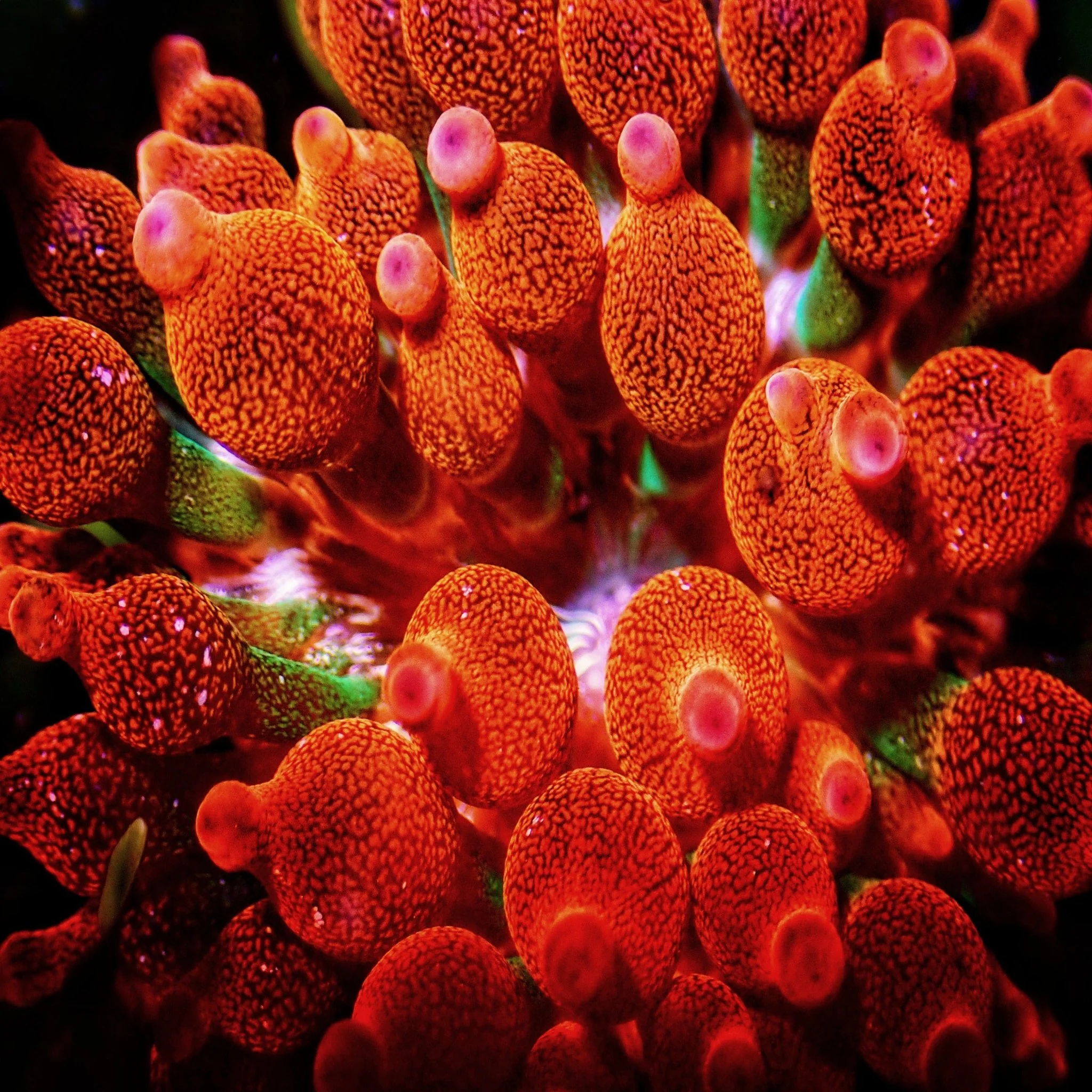
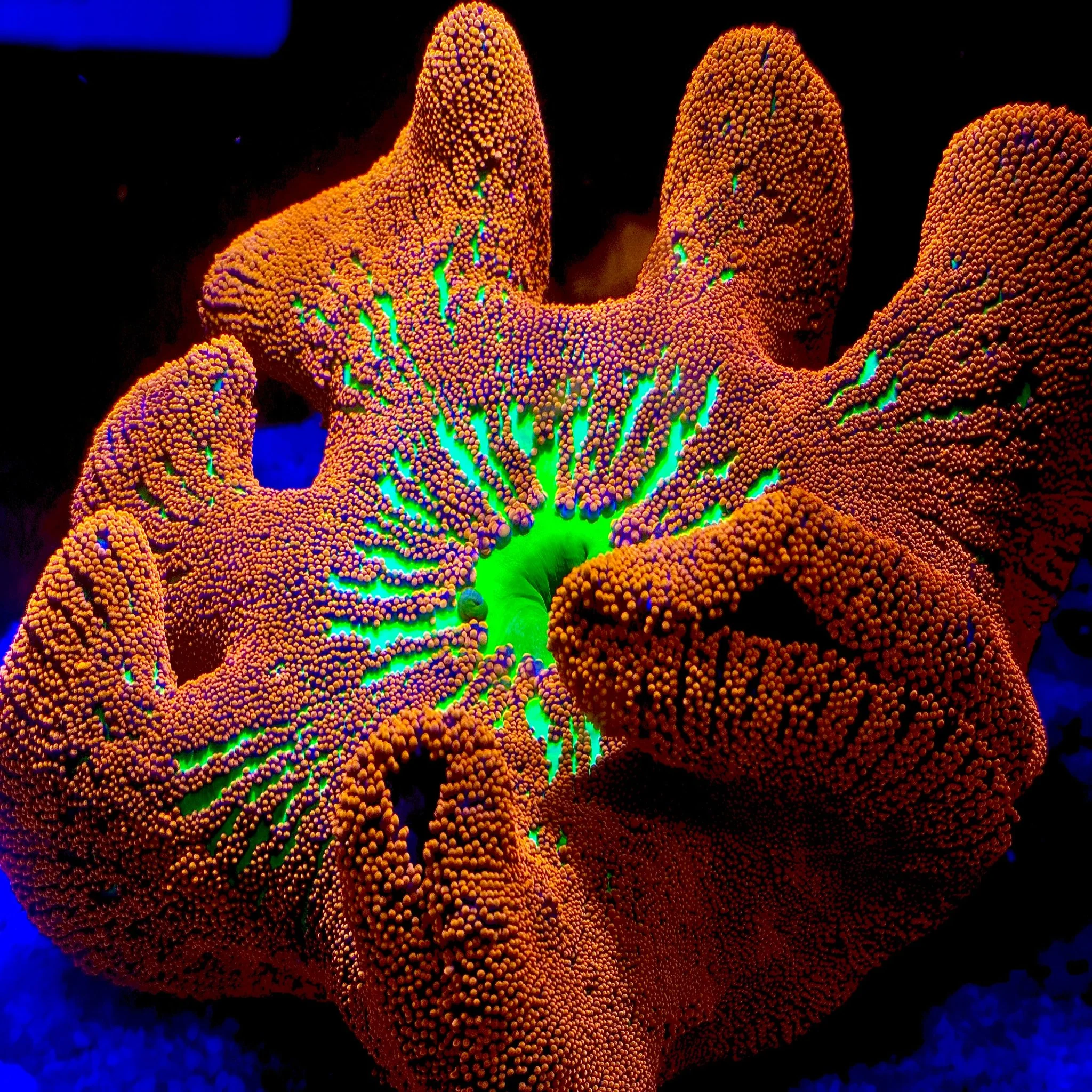
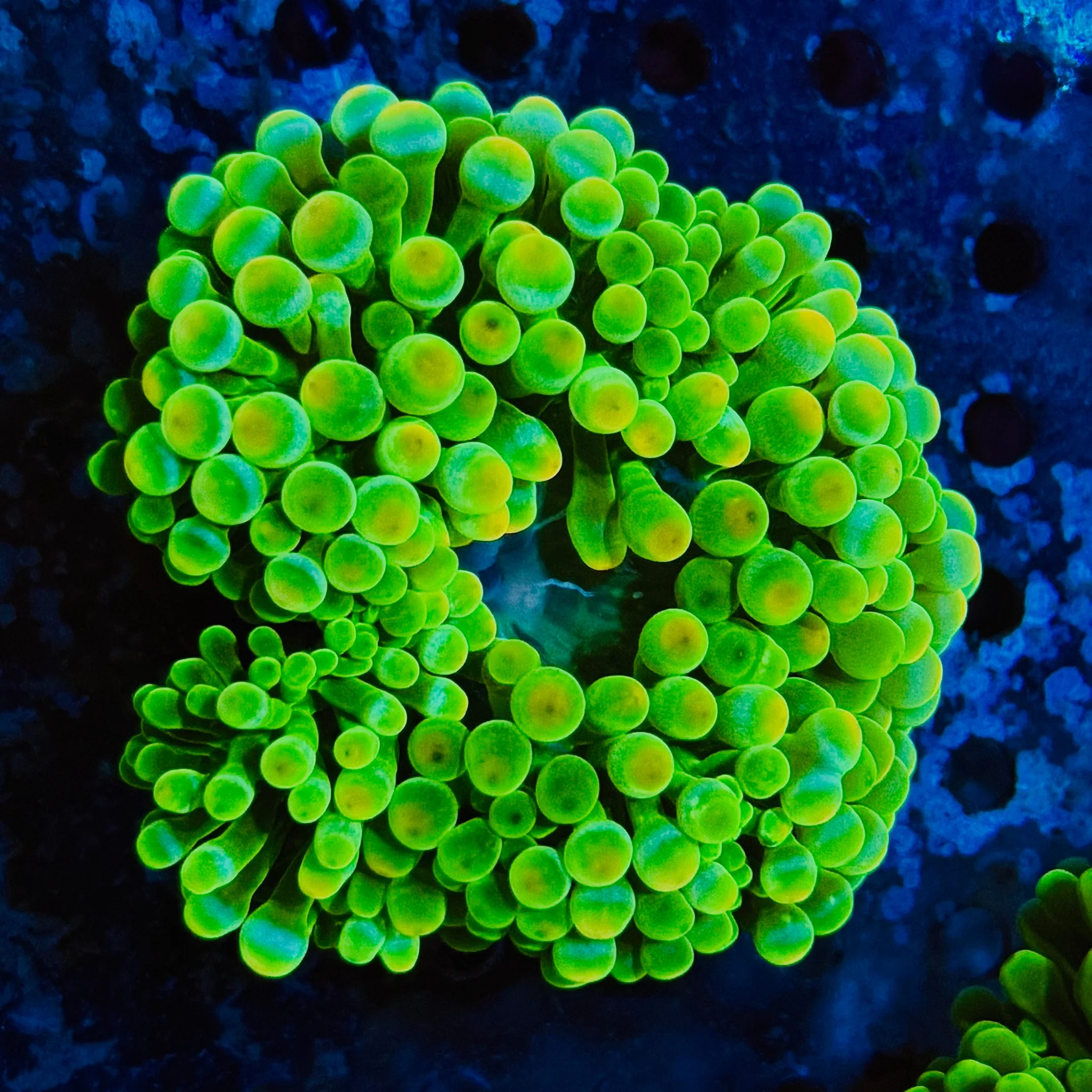
The Sebae Anemone, Heteractis crispa, is a large Indo-Pacific host anemone with a leathery column, long flowing tentacles and attractive pale tan, cream, yellowish or purple-tipped colour forms. Also known as the Leathery Sea Anemone or Purple Tip Anemone, this species can form a natural association with several clownfish species and makes a striking centrepiece in a mature reef aquarium. It is reef safe with caution, as it does not graze corals, but it has a powerful sting, can move if unhappy and requires strong lighting, stable water quality and careful placement.
Common Name:
Sebae Anemone, Leathery Sea Anemone, Purple Tip Anemone, Long Tentacle Sebae Anemone, Sebae Sea Anemone.
Scientific Name (Latin):
Heteractis crispa
Also listed by some taxonomic sources as Radianthus crispa.
Maximum Size:
Commonly around 30–50 cm across when mature, with larger specimens possible in ideal conditions.
Water Type:
Marine
Origin / Natural Habitat:
Indo-Pacific, including the Red Sea, East Africa, Southeast Asia, Japan, Australia, New Caledonia and wider Pacific reef regions. Naturally found on reefs, lagoons and sandy or rubble areas, often attaching its foot into sand, rock crevices or hard substrate partly covered by sand, from shallow water down to around 40 m.
Water Parameters:
Temperature: 24–27°C
pH Range: 8.1–8.4
Hardness or Salinity: SG 1.023–1.026
Temperament:
Stationary once settled, but strongly stinging and capable of moving if conditions are unsuitable. It is not aggressive like a fish, but it can sting neighbouring corals and may capture small fish or invertebrates that contact the tentacles. Give it a dedicated space away from delicate corals and pump intakes.
Diet:
Photosynthetic and carnivorous. Much of its energy comes from symbiotic zooxanthellae under strong reef lighting, but it can also be offered occasional small pieces of marine fish, prawn, mysis, mussel, clam or squid. Feed sparingly and avoid large meals, as overfeeding can affect water quality and stress the anemone.
Minimum Tank Size:
A minimum of 250 litres is recommended for a single specimen, with larger aquariums preferred as it grows. The aquarium should be mature, stable and equipped with strong lighting, good filtration and suitable placement options.
Behaviour & Activity:
A host anemone that usually settles with its foot anchored securely into sand, rock or the sand-rock boundary, while the oral disc and tentacles remain exposed to light and flow. It may move around the aquarium until it finds suitable conditions, so pumps and wavemakers must be guarded. Healthy specimens usually show extended tentacles, good grip and a closed mouth. Bleached white specimens are stressed and should be considered harder to recover.
Reef Safe:
Reef Safe with Caution
Suitable for some reef aquariums, but it can sting nearby corals, move through rockwork and trap small livestock. It should be placed with plenty of clear space and should not be crowded by delicate SPS, LPS or soft corals. It is best kept in a mature reef where lighting, flow and water chemistry are stable.
Special Requirements or Care Notes:
Requires a mature aquarium, strong reef lighting, stable salinity and gentle to moderate water movement. Avoid newly set-up systems, unstable parameters and rough handling. Never pull the foot from rock or sand, as tearing the pedal disc can be fatal. Protect all pumps, wavemakers and overflow intakes before introduction. Like other marine invertebrates, it is sensitive to copper-based treatments and sudden salinity changes. Possible clownfish hosts may include Clarkii-type, Sebae, Tomato and some other anemonefish, but hosting is never guaranteed.
Suitable for:
Experienced fishkeepers
Availability:
Occasional in trade
All images are a visual representation of the animal you will receive, made to be as accurate as possible. Please note that Mother Nature is a wonderful thing, and variation in patterns and colours will occur — that is part of the unique beauty of these animals.
Description
Sebae Anemone (Heteractis crispa)
The Sebae Anemone, Heteractis crispa, is a large Indo-Pacific host anemone with a leathery column, long flowing tentacles and attractive pale tan, cream, yellowish or purple-tipped colour forms. Also known as the Leathery Sea Anemone or Purple Tip Anemone, this species can form a natural association with several clownfish species and makes a striking centrepiece in a mature reef aquarium. It is reef safe with caution, as it does not graze corals, but it has a powerful sting, can move if unhappy and requires strong lighting, stable water quality and careful placement.
Common Name:
Sebae Anemone, Leathery Sea Anemone, Purple Tip Anemone, Long Tentacle Sebae Anemone, Sebae Sea Anemone.
Scientific Name (Latin):
Heteractis crispa
Also listed by some taxonomic sources as Radianthus crispa.
Maximum Size:
Commonly around 30–50 cm across when mature, with larger specimens possible in ideal conditions.
Water Type:
Marine
Origin / Natural Habitat:
Indo-Pacific, including the Red Sea, East Africa, Southeast Asia, Japan, Australia, New Caledonia and wider Pacific reef regions. Naturally found on reefs, lagoons and sandy or rubble areas, often attaching its foot into sand, rock crevices or hard substrate partly covered by sand, from shallow water down to around 40 m.
Water Parameters:
Temperature: 24–27°C
pH Range: 8.1–8.4
Hardness or Salinity: SG 1.023–1.026
Temperament:
Stationary once settled, but strongly stinging and capable of moving if conditions are unsuitable. It is not aggressive like a fish, but it can sting neighbouring corals and may capture small fish or invertebrates that contact the tentacles. Give it a dedicated space away from delicate corals and pump intakes.
Diet:
Photosynthetic and carnivorous. Much of its energy comes from symbiotic zooxanthellae under strong reef lighting, but it can also be offered occasional small pieces of marine fish, prawn, mysis, mussel, clam or squid. Feed sparingly and avoid large meals, as overfeeding can affect water quality and stress the anemone.
Minimum Tank Size:
A minimum of 250 litres is recommended for a single specimen, with larger aquariums preferred as it grows. The aquarium should be mature, stable and equipped with strong lighting, good filtration and suitable placement options.
Behaviour & Activity:
A host anemone that usually settles with its foot anchored securely into sand, rock or the sand-rock boundary, while the oral disc and tentacles remain exposed to light and flow. It may move around the aquarium until it finds suitable conditions, so pumps and wavemakers must be guarded. Healthy specimens usually show extended tentacles, good grip and a closed mouth. Bleached white specimens are stressed and should be considered harder to recover.
Reef Safe:
Reef Safe with Caution
Suitable for some reef aquariums, but it can sting nearby corals, move through rockwork and trap small livestock. It should be placed with plenty of clear space and should not be crowded by delicate SPS, LPS or soft corals. It is best kept in a mature reef where lighting, flow and water chemistry are stable.
Special Requirements or Care Notes:
Requires a mature aquarium, strong reef lighting, stable salinity and gentle to moderate water movement. Avoid newly set-up systems, unstable parameters and rough handling. Never pull the foot from rock or sand, as tearing the pedal disc can be fatal. Protect all pumps, wavemakers and overflow intakes before introduction. Like other marine invertebrates, it is sensitive to copper-based treatments and sudden salinity changes. Possible clownfish hosts may include Clarkii-type, Sebae, Tomato and some other anemonefish, but hosting is never guaranteed.
Suitable for:
Experienced fishkeepers
Availability:
Occasional in trade
All images are a visual representation of the animal you will receive, made to be as accurate as possible. Please note that Mother Nature is a wonderful thing, and variation in patterns and colours will occur — that is part of the unique beauty of these animals.