The Story
Tropical Flounder (Bothus mancus)
The Tropical Flounder, Bothus mancus, is a fascinating marine flatfish with a flattened body, raised eyes and exceptional camouflage that allows it to blend into sand, rubble and reef surroundings. Also known as the Flowery Flounder or Peacock Flounder, this Indo-Pacific species is an unusual bottom-dwelling predator for large specialist marine aquariums. It is not a standard reef community fish, as it requires open sandy areas, peaceful but suitably sized tank mates and a diet of meaty marine foods.
Common Name:
Tropical Flounder, Flowery Flounder, Peacock Flounder, Peacock Sole, Flowery Flatfish.
Scientific Name (Latin):
Bothus mancus
Maximum Size:
Up to around 45 cm in the wild. Aquarium specimens may be sold smaller, but should still be planned for as a large, broad-bodied marine flatfish.
Water Type:
Marine
Origin / Natural Habitat:
Widely distributed across the tropical Indo-Pacific and also recorded from warm eastern Pacific regions. Naturally found on sandy bottoms around coastal coral reefs, reef flats, rubble areas, low rocky reef and bare rock patches, usually in shallow water but with records from deeper reef zones. It is a benthic species that spends most of its time on or partly buried in the substrate.
Water Parameters:
Temperature: 24–27°C
pH Range: 8.1–8.4
Hardness or Salinity: SG 1.020–1.025
Temperament:
Predatory but not usually aggressive in a chasing sense. It is an ambush predator that may eat small fish, shrimps and crabs that come within striking range. Best kept with peaceful to moderately robust marine fish that are too large to be swallowed and will not harass it on the substrate.
Diet:
Carnivorous ambush predator. In the wild, it feeds on small fishes, crabs and shrimps, hunting mostly at night but also showing daytime activity. In the aquarium, offer varied meaty marine foods such as chopped prawn, krill, mysis, clam, mussel, squid, lancefish, silversides and marine fish flesh. Avoid freshwater feeder fish, as these are unsuitable for long-term marine predator nutrition.
Minimum Tank Size:
A minimum of 600 litres is recommended for a single specimen, with a large footprint more important than height. This species needs extensive open sand space, mature filtration and enough room to move without being crowded by rockwork or corals.
Behaviour & Activity:
A bottom-dwelling flatfish that spends much of its time lying camouflaged on sand, rubble or low rock, often with only the eyes clearly visible. It can change colour and pattern to match its surroundings and may “crawl” over the substrate using fin movements rather than swimming in the usual fish-like way. It is most active at feeding times and during quieter or lower-light periods. Provide soft sand, open floor space and stable low rockwork rather than a crowded vertical reef layout.
Reef Safe:
Reef Safe with Caution
It is not a coral-eating species, but it is not ideal for delicate reef aquariums. It may eat small fish, ornamental shrimps, crabs and other bite-sized invertebrates, and its movements across the sand can disturb low-placed corals or loose frags. Best suited to fish-only-with-live-rock systems or very carefully planned large reef aquariums with open sandy areas and no small prey-sized livestock.
Special Requirements or Care Notes:
Requires a large aquarium footprint, soft sandy substrate and careful tank mate selection. Avoid sharp gravel, crowded rockwork and delicate small fish or shrimps. It may be difficult to ensure food reaches the fish in busy aquariums, so targeted feeding with tongs may be needed. Because exact collection size and adult growth can vary, plan for a large adult and strong filtration. A covered aquarium is recommended, and any powerheads or intakes near the substrate should be guarded.
Suitable for:
Experienced fishkeepers
Availability:
Rare or occasional in trade
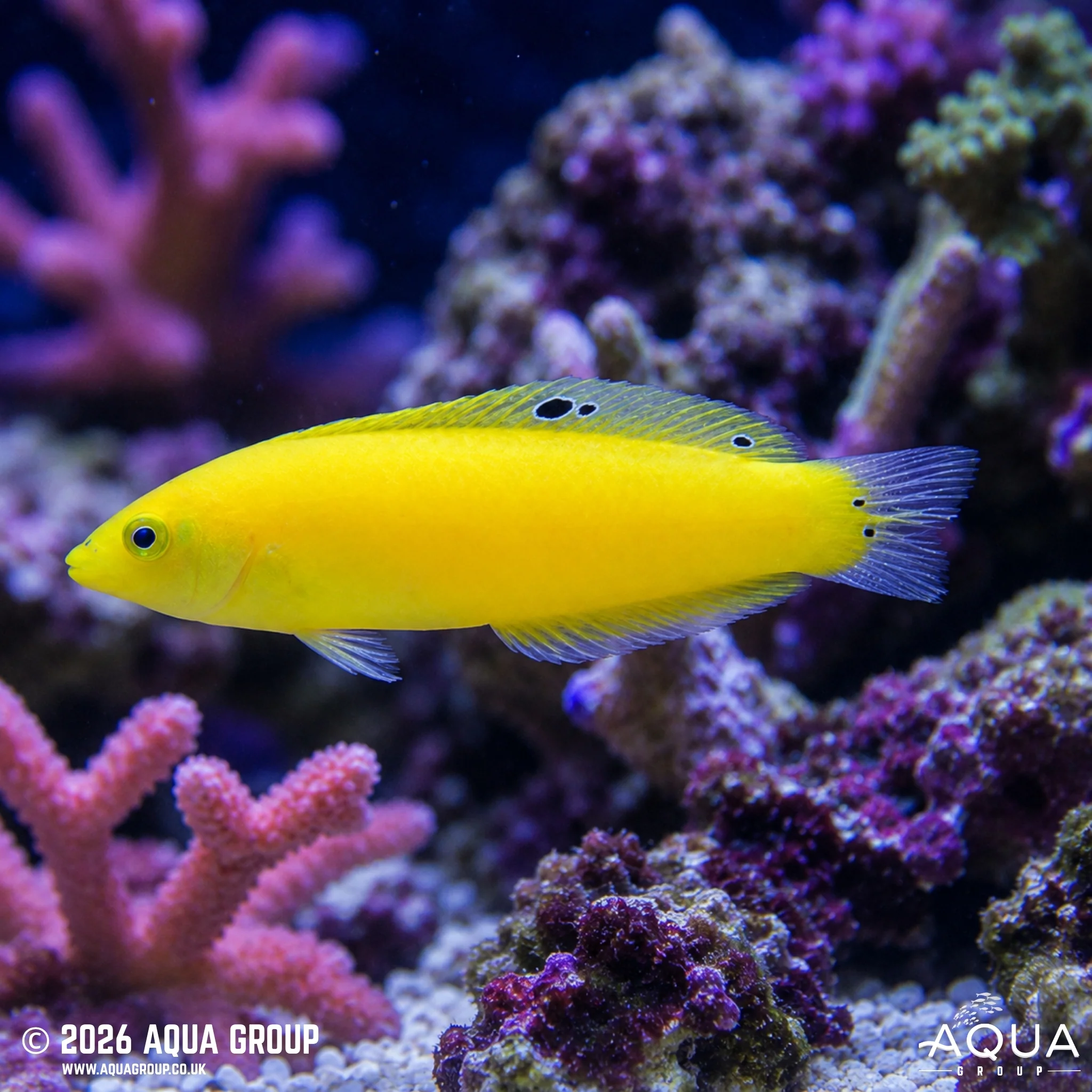
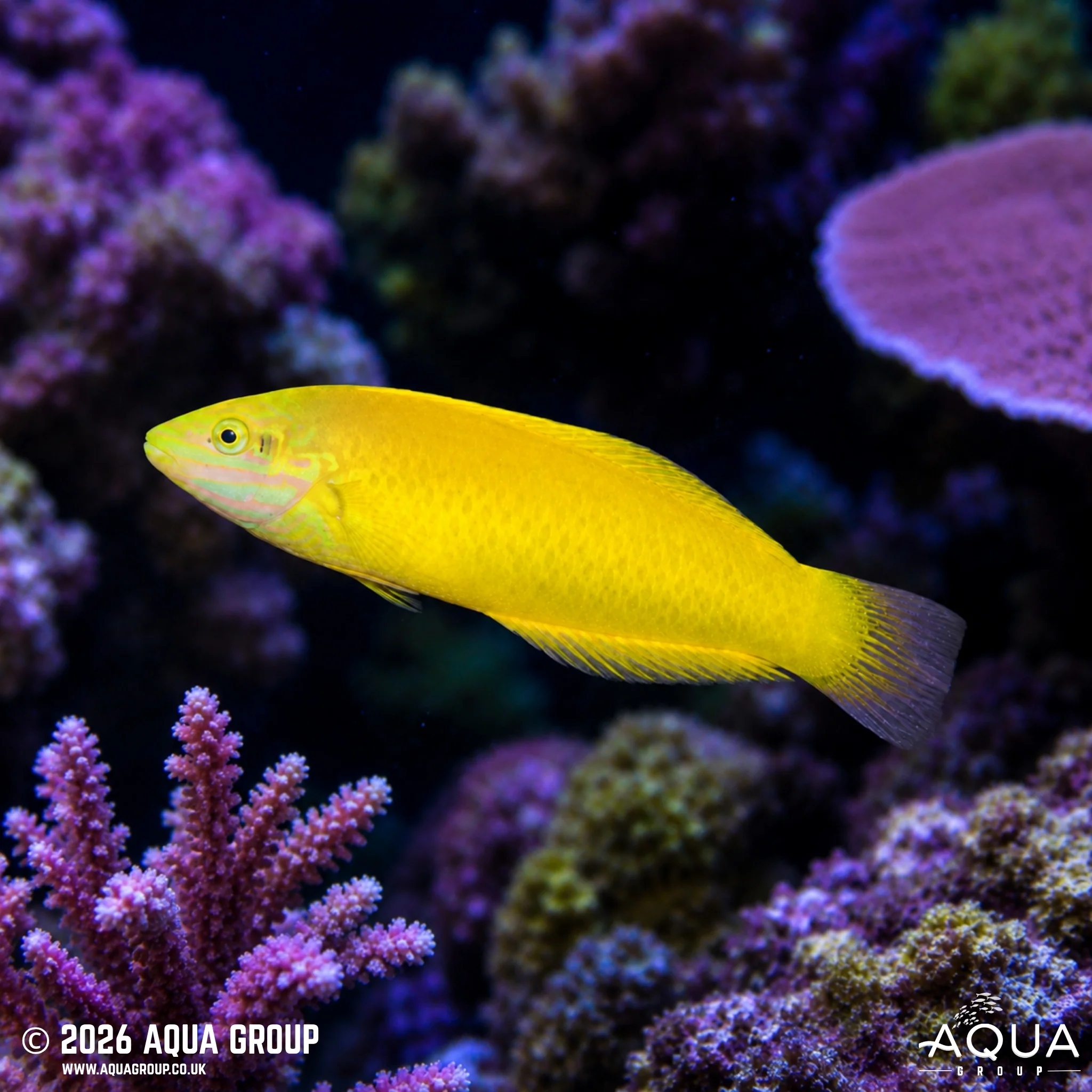
All images are a visual representation of the fish you will receive, made to be as accurate as possible. Please note that Mother Nature is a wonderful thing, and variation in patterns and colours will occur — that is part of the unique beauty of these animals.
Description
Tropical Flounder (Bothus mancus)
The Tropical Flounder, Bothus mancus, is a fascinating marine flatfish with a flattened body, raised eyes and exceptional camouflage that allows it to blend into sand, rubble and reef surroundings. Also known as the Flowery Flounder or Peacock Flounder, this Indo-Pacific species is an unusual bottom-dwelling predator for large specialist marine aquariums. It is not a standard reef community fish, as it requires open sandy areas, peaceful but suitably sized tank mates and a diet of meaty marine foods.
Common Name:
Tropical Flounder, Flowery Flounder, Peacock Flounder, Peacock Sole, Flowery Flatfish.
Scientific Name (Latin):
Bothus mancus
Maximum Size:
Up to around 45 cm in the wild. Aquarium specimens may be sold smaller, but should still be planned for as a large, broad-bodied marine flatfish.
Water Type:
Marine
Origin / Natural Habitat:
Widely distributed across the tropical Indo-Pacific and also recorded from warm eastern Pacific regions. Naturally found on sandy bottoms around coastal coral reefs, reef flats, rubble areas, low rocky reef and bare rock patches, usually in shallow water but with records from deeper reef zones. It is a benthic species that spends most of its time on or partly buried in the substrate.
Water Parameters:
Temperature: 24–27°C
pH Range: 8.1–8.4
Hardness or Salinity: SG 1.020–1.025
Temperament:
Predatory but not usually aggressive in a chasing sense. It is an ambush predator that may eat small fish, shrimps and crabs that come within striking range. Best kept with peaceful to moderately robust marine fish that are too large to be swallowed and will not harass it on the substrate.
Diet:
Carnivorous ambush predator. In the wild, it feeds on small fishes, crabs and shrimps, hunting mostly at night but also showing daytime activity. In the aquarium, offer varied meaty marine foods such as chopped prawn, krill, mysis, clam, mussel, squid, lancefish, silversides and marine fish flesh. Avoid freshwater feeder fish, as these are unsuitable for long-term marine predator nutrition.
Minimum Tank Size:
A minimum of 600 litres is recommended for a single specimen, with a large footprint more important than height. This species needs extensive open sand space, mature filtration and enough room to move without being crowded by rockwork or corals.
Behaviour & Activity:
A bottom-dwelling flatfish that spends much of its time lying camouflaged on sand, rubble or low rock, often with only the eyes clearly visible. It can change colour and pattern to match its surroundings and may “crawl” over the substrate using fin movements rather than swimming in the usual fish-like way. It is most active at feeding times and during quieter or lower-light periods. Provide soft sand, open floor space and stable low rockwork rather than a crowded vertical reef layout.
Reef Safe:
Reef Safe with Caution
It is not a coral-eating species, but it is not ideal for delicate reef aquariums. It may eat small fish, ornamental shrimps, crabs and other bite-sized invertebrates, and its movements across the sand can disturb low-placed corals or loose frags. Best suited to fish-only-with-live-rock systems or very carefully planned large reef aquariums with open sandy areas and no small prey-sized livestock.
Special Requirements or Care Notes:
Requires a large aquarium footprint, soft sandy substrate and careful tank mate selection. Avoid sharp gravel, crowded rockwork and delicate small fish or shrimps. It may be difficult to ensure food reaches the fish in busy aquariums, so targeted feeding with tongs may be needed. Because exact collection size and adult growth can vary, plan for a large adult and strong filtration. A covered aquarium is recommended, and any powerheads or intakes near the substrate should be guarded.
Suitable for:
Experienced fishkeepers
Availability:
Rare or occasional in trade
All images are a visual representation of the fish you will receive, made to be as accurate as possible. Please note that Mother Nature is a wonderful thing, and variation in patterns and colours will occur — that is part of the unique beauty of these animals.