Original: $107.40
-65%$107.40
$37.59The Story
Bariene Tang (Acanthurus bariene)
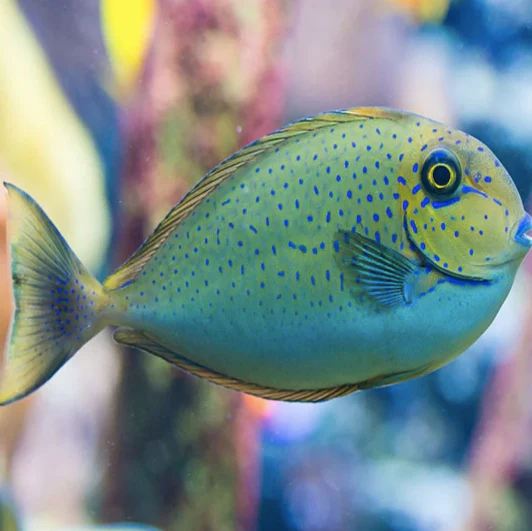
The Bariene Tang, Acanthurus bariene, is a large and impressive Indo-Pacific surgeonfish with a deep-bodied profile, subtle brown to grey base colour, orange facial markings, orange-edged fins and a distinctive dark spot behind the eye. Also known as the Blackspot Surgeonfish, Eyespot Surgeonfish or Roundspot Surgeonfish, this species is a striking choice for very large marine aquariums. It is generally reef safe and valuable as an algae grazer, but its adult size, swimming needs and tang-to-tang aggression mean it is best suited to experienced aquarists with spacious, mature systems.
Common Name:
Bariene Tang, Bariene Surgeonfish, Blackspot Surgeonfish, Eyespot Surgeonfish, Roundspot Surgeonfish, Orange Face Tang.
Scientific Name (Latin):
Acanthurus bariene
Maximum Size:
Up to around 50 cm in the wild. Aquarium specimens may be smaller, but this species should still be planned for as a very large, active surgeonfish.
Water Type:
Marine
Origin / Natural Habitat:
Indo-West Pacific, from the western Indian Ocean and Maldives across to the western Pacific. Naturally found on clear seaward reef slopes, deep coastal reef slopes and outer reef walls, usually below 15 m and often below 30 m. Juveniles may occur in shallow protected reef areas among soft corals.
Water Parameters:
Temperature: 24–27°C
pH Range: 8.1–8.4
Hardness or Salinity: SG 1.020–1.025
Temperament:
Generally peaceful with unrelated fish, but can be assertive and territorial towards other tangs, surgeonfish or similarly shaped algae grazers. It should not be kept in small aquariums or crowded tang communities. Like all surgeonfish, it has a sharp caudal scalpel and should be handled with care.
Diet:
Primarily herbivorous, grazing algal films from hard surfaces in the wild. In the aquarium, provide a vegetable-rich diet including nori, marine algae sheets, spirulina flakes, herbivore pellets, algae-based frozen foods and natural grazing on mature live rock. Supplement with small amounts of mysis, brineshrimp, chopped seafood or mixed marine frozen food, but plant and algae-based foods should remain central to the diet.
Minimum Tank Size:
A minimum of 900 litres is recommended for long-term care, with larger aquariums strongly preferred. This is a powerful, active tang that needs extensive swimming room, high oxygenation and strong filtration.
Behaviour & Activity:
An active daytime grazer that patrols open water and reef structure, regularly picking at algae films on rockwork and hard surfaces. It is usually seen singly or in pairs in the wild. In aquariums, it needs long swimming runs, open space, robust rockwork and stable water movement. It may become more dominant as it grows, especially towards other surgeonfish.
Reef Safe:
Reef Safe
Generally safe with corals and most ornamental invertebrates, and useful in reef aquariums for grazing algae. The main risk is not coral predation but size, waste production and possible aggression towards other tangs or algae-grazing fish.
Special Requirements or Care Notes:
This is a large surgeonfish for very spacious aquariums only. Provide excellent water quality, strong oxygenation, regular algae-based feeding and open swimming space. Introduce tangs carefully, ideally adding the most assertive species later and avoiding similar-shaped Acanthurus species unless the aquarium is extremely large. Use caution when netting or moving, as the tail spine can injure both the fish and the aquarist. Not suitable for nano reefs or average-sized community marine tanks.
Suitable for:
Experienced fishkeepers
Availability:
Rare or occasional in trade
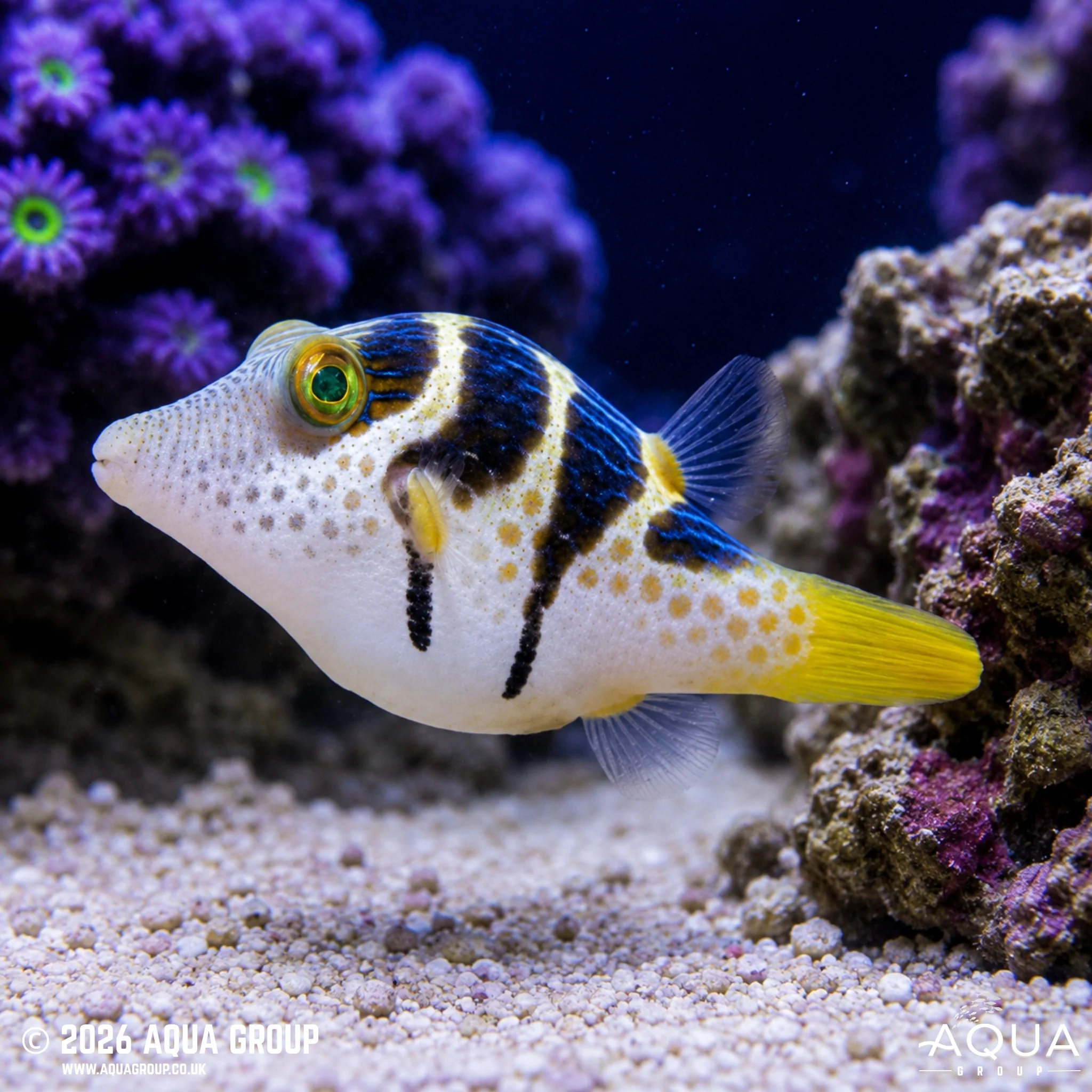
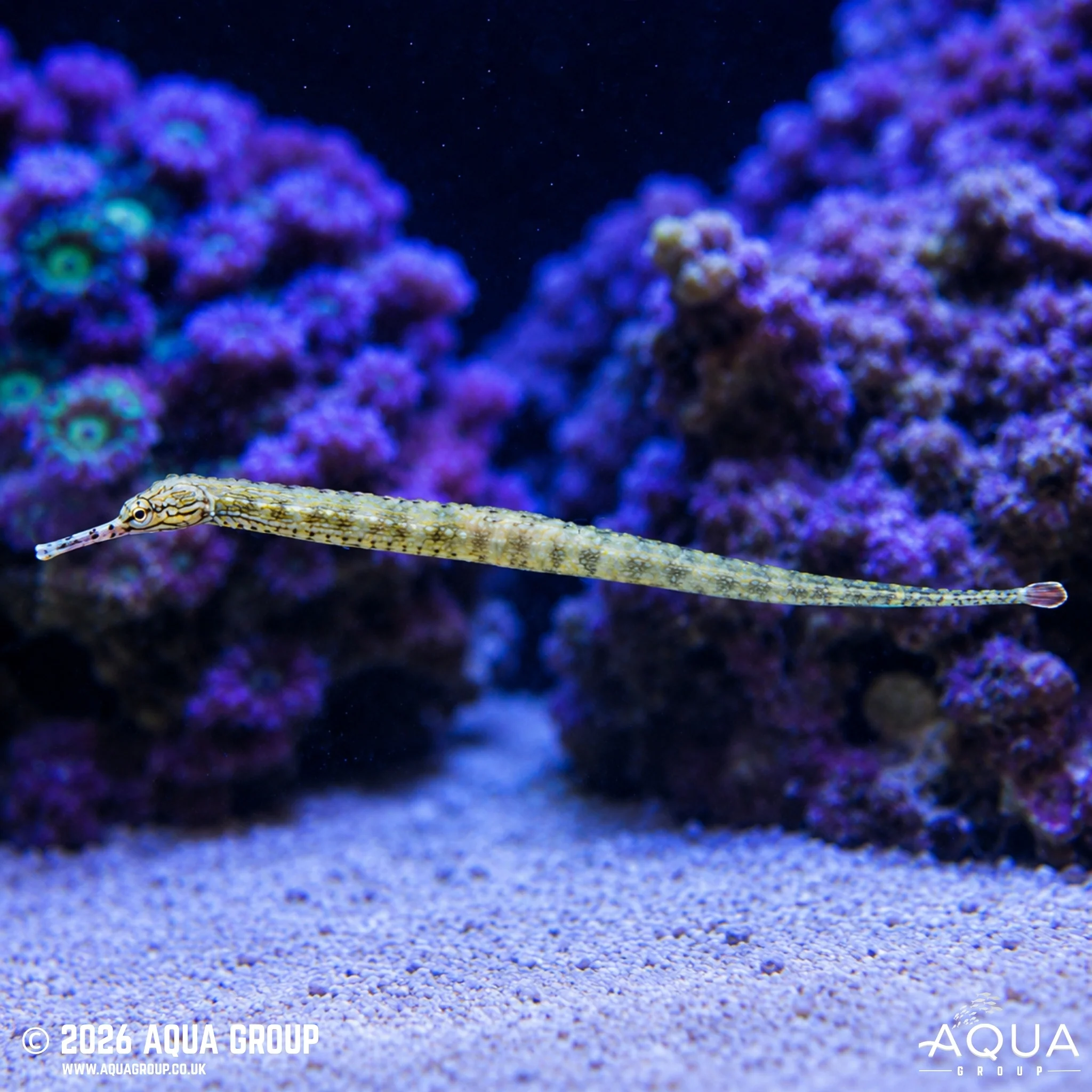
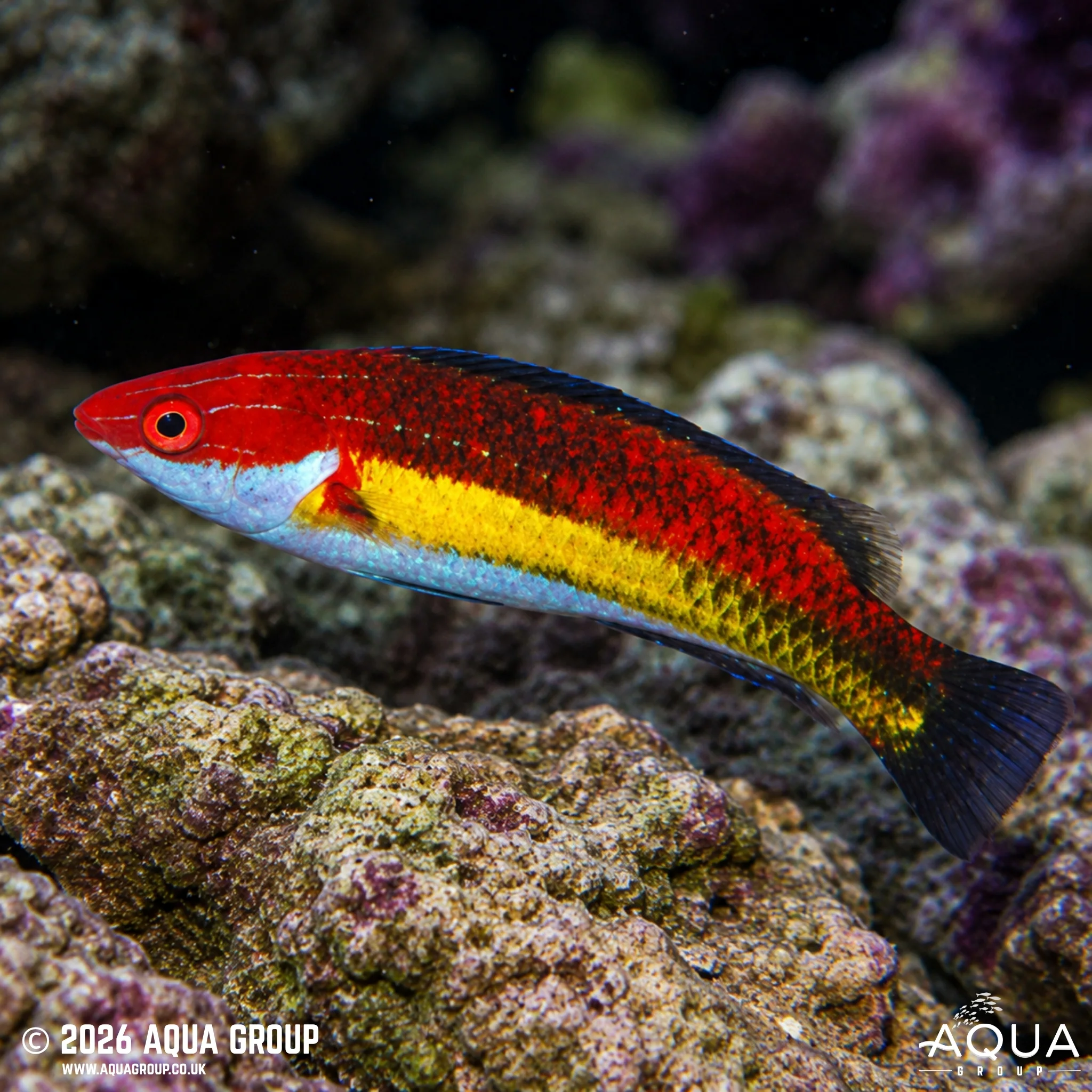
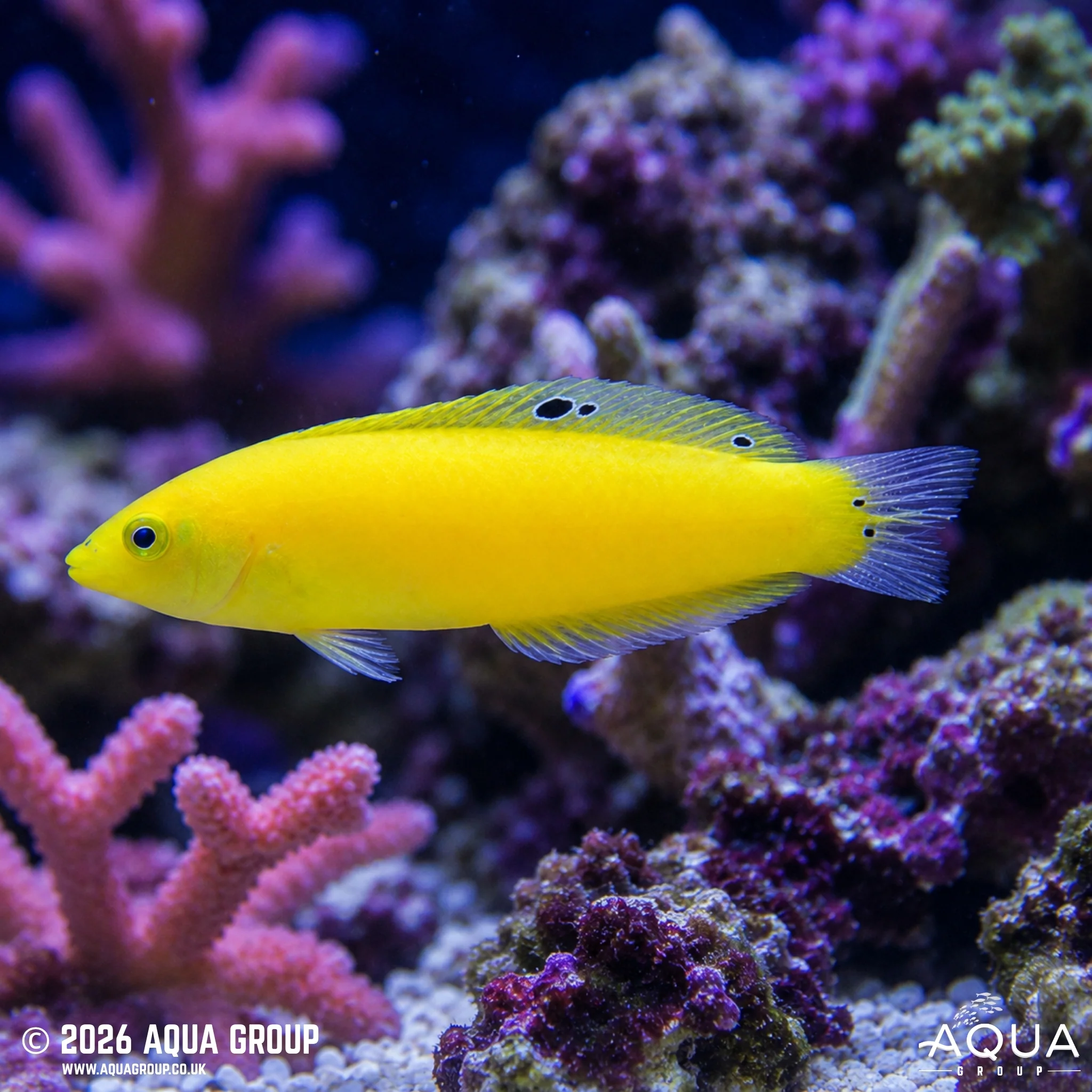
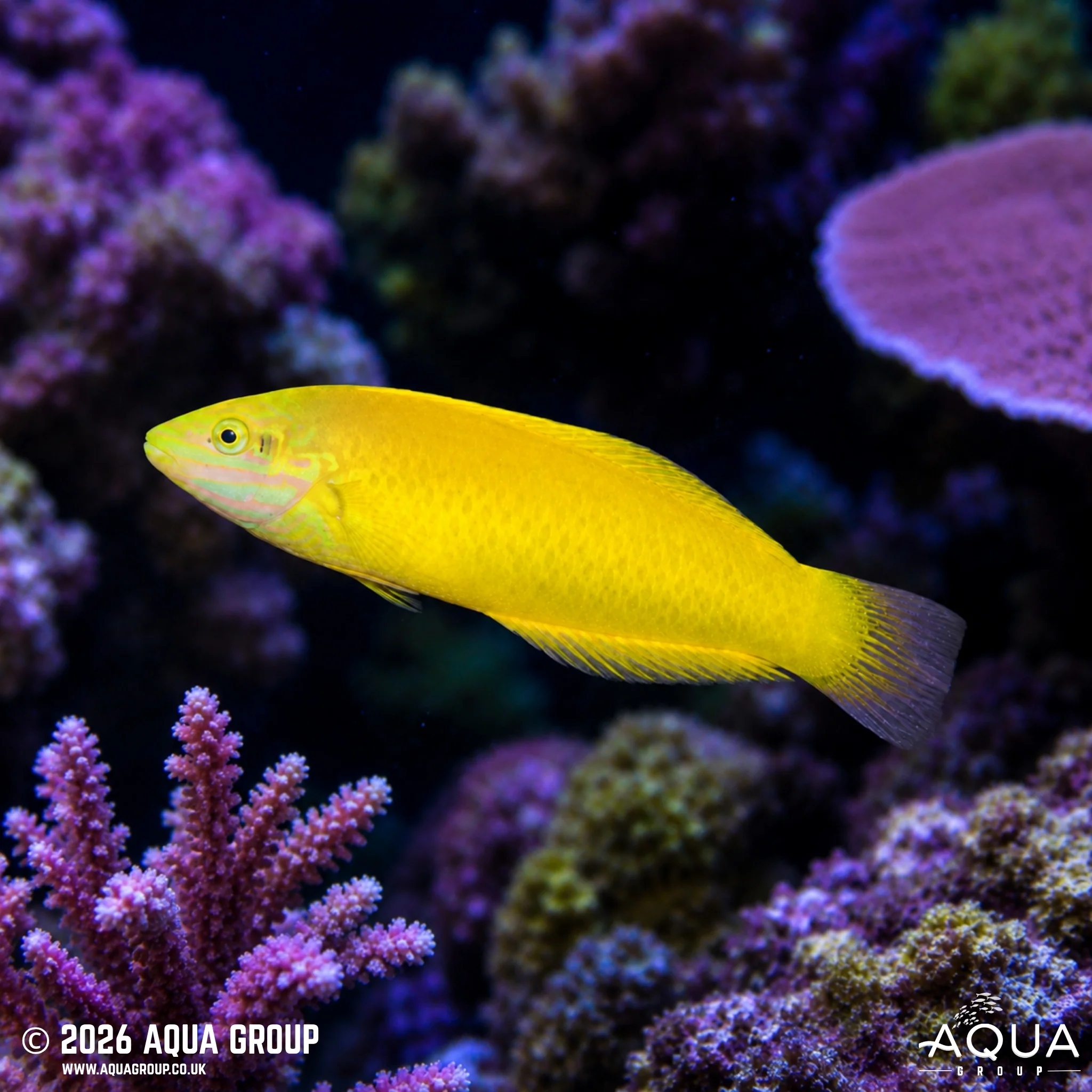
All images are a visual representation of the fish you will receive, made to be as accurate as possible. Please note that Mother Nature is a wonderful thing, and variation in patterns and colours will occur — that is part of the unique beauty of these animals.
Description
Bariene Tang (Acanthurus bariene)
The Bariene Tang, Acanthurus bariene, is a large and impressive Indo-Pacific surgeonfish with a deep-bodied profile, subtle brown to grey base colour, orange facial markings, orange-edged fins and a distinctive dark spot behind the eye. Also known as the Blackspot Surgeonfish, Eyespot Surgeonfish or Roundspot Surgeonfish, this species is a striking choice for very large marine aquariums. It is generally reef safe and valuable as an algae grazer, but its adult size, swimming needs and tang-to-tang aggression mean it is best suited to experienced aquarists with spacious, mature systems.
Common Name:
Bariene Tang, Bariene Surgeonfish, Blackspot Surgeonfish, Eyespot Surgeonfish, Roundspot Surgeonfish, Orange Face Tang.
Scientific Name (Latin):
Acanthurus bariene
Maximum Size:
Up to around 50 cm in the wild. Aquarium specimens may be smaller, but this species should still be planned for as a very large, active surgeonfish.
Water Type:
Marine
Origin / Natural Habitat:
Indo-West Pacific, from the western Indian Ocean and Maldives across to the western Pacific. Naturally found on clear seaward reef slopes, deep coastal reef slopes and outer reef walls, usually below 15 m and often below 30 m. Juveniles may occur in shallow protected reef areas among soft corals.
Water Parameters:
Temperature: 24–27°C
pH Range: 8.1–8.4
Hardness or Salinity: SG 1.020–1.025
Temperament:
Generally peaceful with unrelated fish, but can be assertive and territorial towards other tangs, surgeonfish or similarly shaped algae grazers. It should not be kept in small aquariums or crowded tang communities. Like all surgeonfish, it has a sharp caudal scalpel and should be handled with care.
Diet:
Primarily herbivorous, grazing algal films from hard surfaces in the wild. In the aquarium, provide a vegetable-rich diet including nori, marine algae sheets, spirulina flakes, herbivore pellets, algae-based frozen foods and natural grazing on mature live rock. Supplement with small amounts of mysis, brineshrimp, chopped seafood or mixed marine frozen food, but plant and algae-based foods should remain central to the diet.
Minimum Tank Size:
A minimum of 900 litres is recommended for long-term care, with larger aquariums strongly preferred. This is a powerful, active tang that needs extensive swimming room, high oxygenation and strong filtration.
Behaviour & Activity:
An active daytime grazer that patrols open water and reef structure, regularly picking at algae films on rockwork and hard surfaces. It is usually seen singly or in pairs in the wild. In aquariums, it needs long swimming runs, open space, robust rockwork and stable water movement. It may become more dominant as it grows, especially towards other surgeonfish.
Reef Safe:
Reef Safe
Generally safe with corals and most ornamental invertebrates, and useful in reef aquariums for grazing algae. The main risk is not coral predation but size, waste production and possible aggression towards other tangs or algae-grazing fish.
Special Requirements or Care Notes:
This is a large surgeonfish for very spacious aquariums only. Provide excellent water quality, strong oxygenation, regular algae-based feeding and open swimming space. Introduce tangs carefully, ideally adding the most assertive species later and avoiding similar-shaped Acanthurus species unless the aquarium is extremely large. Use caution when netting or moving, as the tail spine can injure both the fish and the aquarist. Not suitable for nano reefs or average-sized community marine tanks.
Suitable for:
Experienced fishkeepers
Availability:
Rare or occasional in trade
All images are a visual representation of the fish you will receive, made to be as accurate as possible. Please note that Mother Nature is a wonderful thing, and variation in patterns and colours will occur — that is part of the unique beauty of these animals.