Original: $67.12
-65%$67.12
$23.49The Story
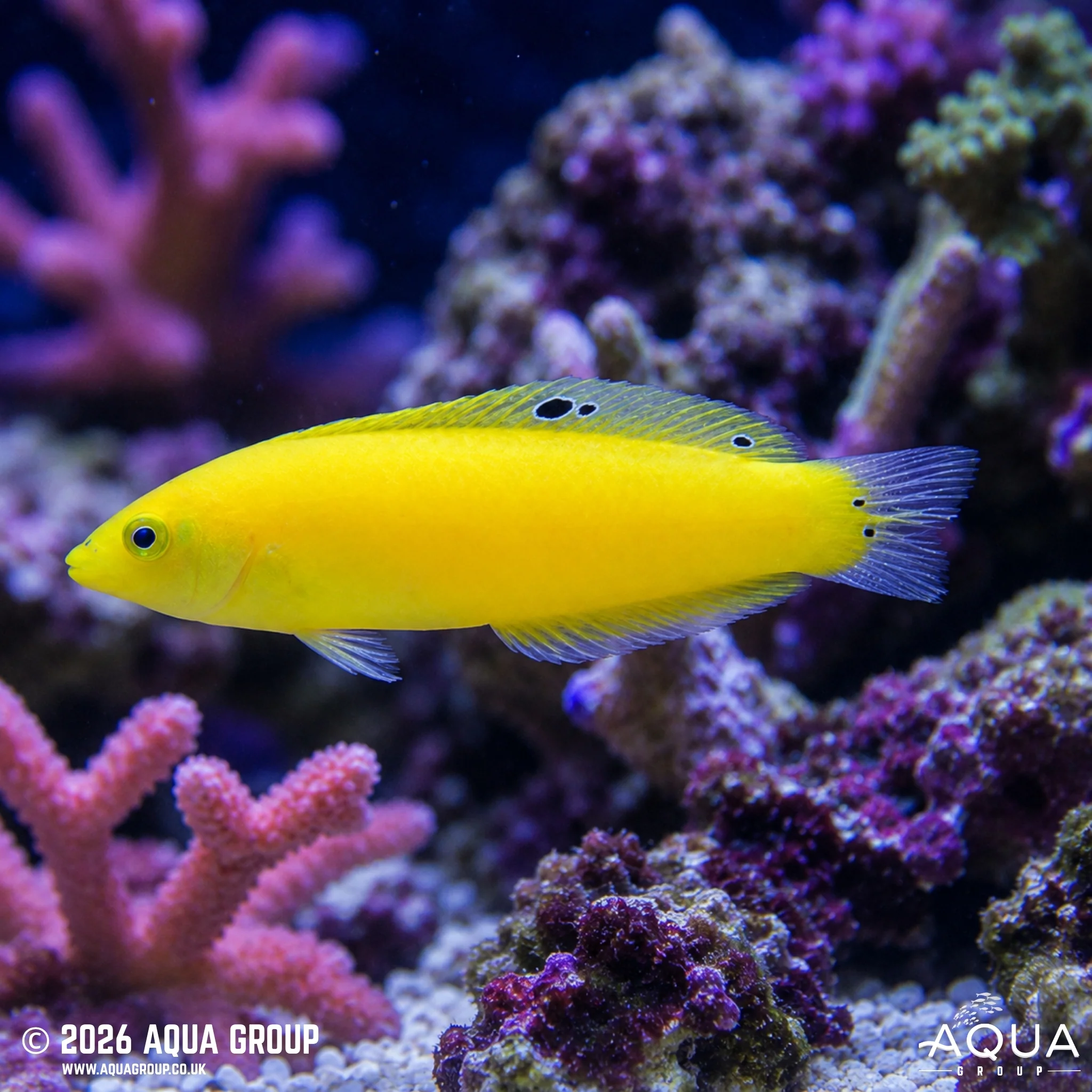
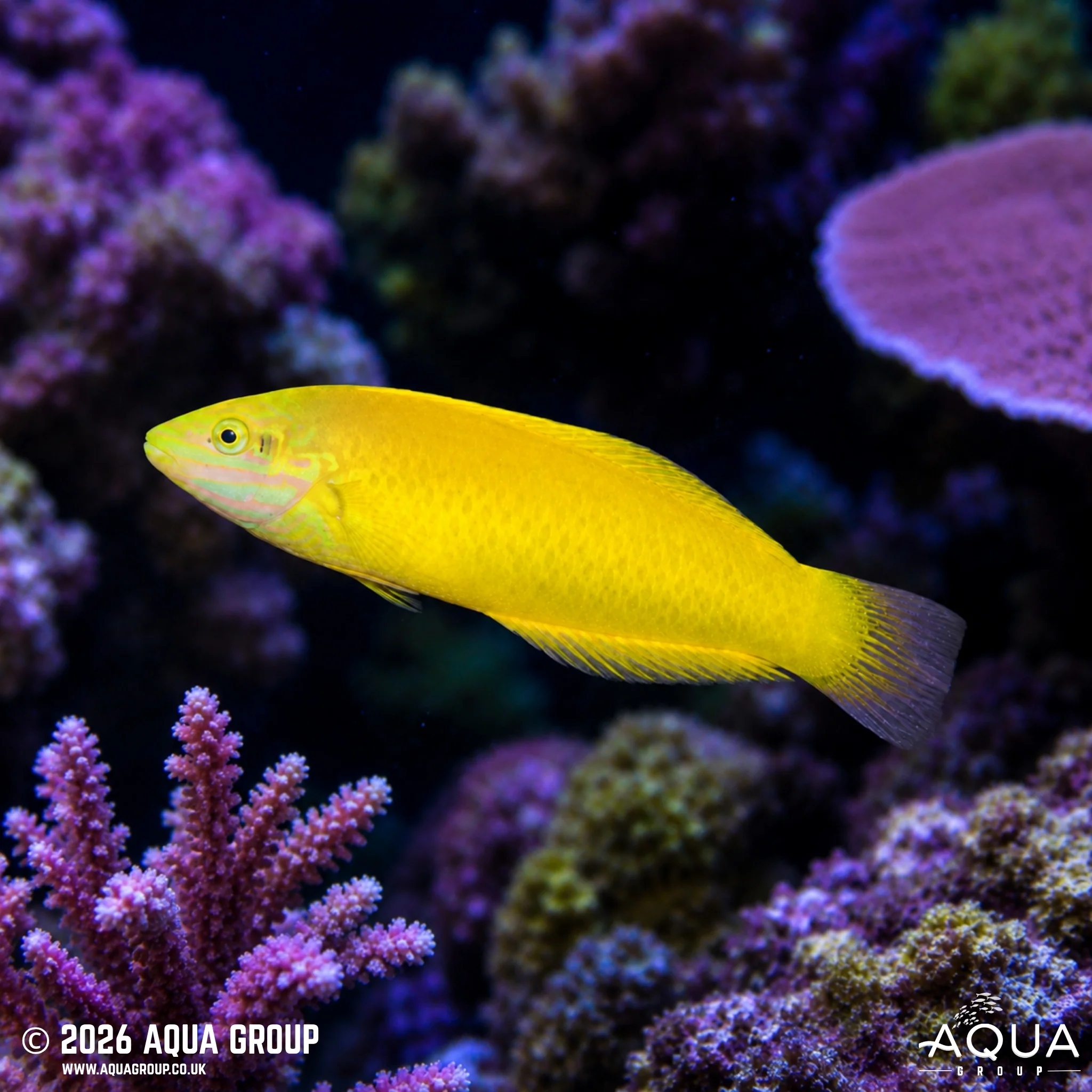
Grey Head Wrasse (Halichoeres leucurus)
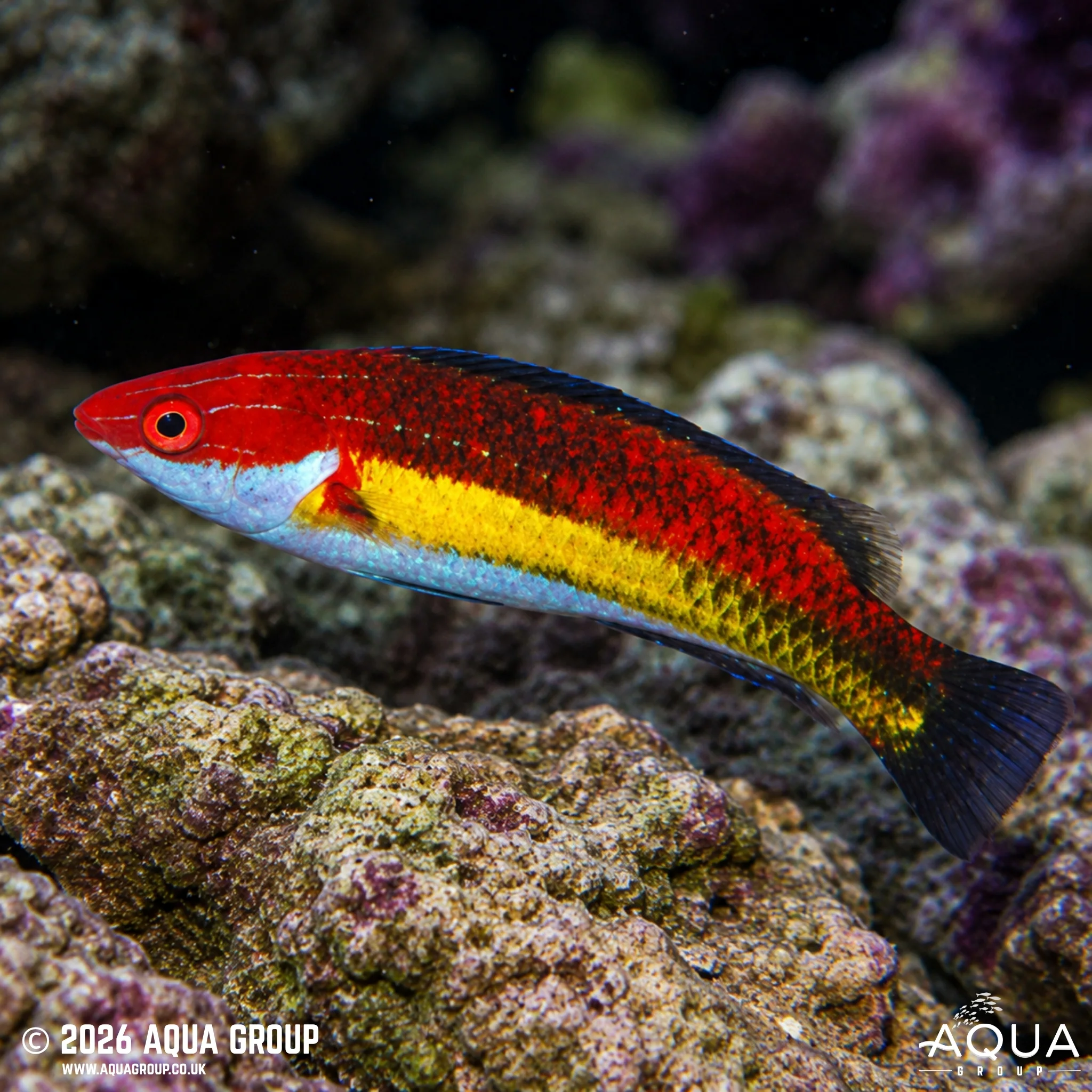
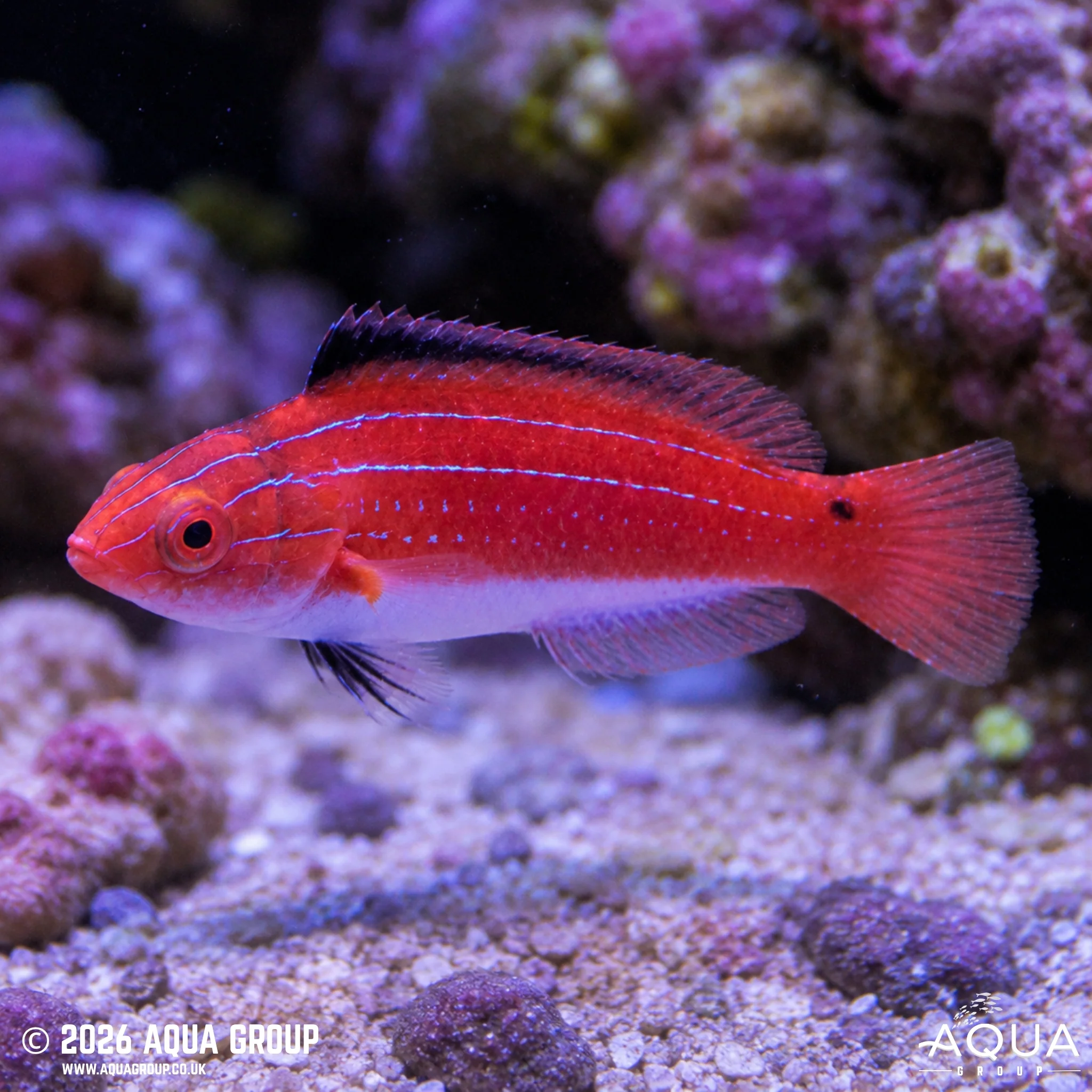
The Grey Head Wrasse, Halichoeres leucurus, is an active and attractive marine wrasse with variable green, grey, orange and blue patterning that changes with age and sex. Also known as the Greyhead Wrasse, Chain-lined Wrasse or Silty Wrasse, this Western Pacific species is a lively reef fish that spends its day foraging across sand, rubble and rockwork for tiny invertebrates. It is generally reef safe with corals, but should be kept with caution around very small ornamental invertebrates and must be provided with soft sand for sleeping and refuge.
Common Name:
Grey Head Wrasse, Greyhead Wrasse, Grey-head Wrasse, Chain-lined Wrasse, Chain-line Wrasse, Silty Wrasse.
Scientific Name (Latin):
Halichoeres leucurus
Maximum Size:
Up to around 13 cm.
Water Type:
Marine
Origin / Natural Habitat:
Western Pacific, including the Philippines, Palau, New Guinea, the Yaeyama Islands and southern Indonesia. Naturally found in coral-rich lagoon reefs and inner reef channels, usually over mixed coral, algae, sand and rubble habitats at shallow depths of around 1–15 m. It may be seen singly or in pairs while foraging close to the substrate and reef structure.
Water Parameters:
Temperature: 24–27°C
pH Range: 8.1–8.4
Hardness or Salinity: SG 1.020–1.025
Temperament:
Generally peaceful to mildly semi-assertive. It is usually suitable for reef communities with other active, peaceful to moderately robust fish, but may become territorial towards similar wrasses or very small timid fish once established.
Diet:
Carnivorous micro-predator. In the wild, it feeds on small benthic invertebrates. In the aquarium, offer frozen mysis, enriched brineshrimp, copepods, cyclops, chopped clam, finely chopped prawn, krill, quality marine pellets and other small meaty foods. It may help reduce some nuisance invertebrates such as flatworms, small worms or pyramid snails, but should not be purchased as a guaranteed pest-control fish.
Minimum Tank Size:
A minimum of 250 litres is recommended for a single specimen, with larger aquariums preferred for mixed wrasse communities or busier reef systems. Provide open swimming space, mature rockwork and a soft sand bed.
Behaviour & Activity:
An energetic daytime forager that moves constantly over rockwork, rubble and sand, picking at small prey. Like many Halichoeres wrasses, it dives into soft sand to sleep, hide or recover from stress, and newly introduced specimens may remain buried while settling. A tight-fitting lid or mesh cover is essential, as active wrasses can jump when startled.
Reef Safe:
Reef Safe with Caution
Generally safe with corals and most sessile invertebrates, as it does not normally graze coral tissue. The caution is due to its natural hunting behaviour: it may eat small worms, feather dusters, tiny snails, pods, flatworms, very small shrimps or other small mobile invertebrates. Larger established clean-up crew animals are usually ignored, but this cannot be guaranteed.
Special Requirements or Care Notes:
A soft, clean sand bed is essential for sleeping and stress reduction. Avoid sharp coral gravel, bare-bottom systems and newly set-up aquariums with little natural food. Provide mature live rock, regular varied feeding, good oxygenation and a secure lid. It may hide in the sand for several days after introduction, which can be normal, but body condition and feeding should be monitored once visible. Avoid mixing with very similar Halichoeres wrasses unless the aquarium is large with multiple territory breaks.
Suitable for:
Intermediate fishkeepers
Availability:
Occasional in trade
All images are a visual representation of the fish you will receive, made to be as accurate as possible. Please note that Mother Nature is a wonderful thing, and variation in patterns and colours will occur — that is part of the unique beauty of these animals.

Details & Craftsmanship
Every detail has been carefully considered to bring you the perfect product.
Description
Grey Head Wrasse (Halichoeres leucurus)
The Grey Head Wrasse, Halichoeres leucurus, is an active and attractive marine wrasse with variable green, grey, orange and blue patterning that changes with age and sex. Also known as the Greyhead Wrasse, Chain-lined Wrasse or Silty Wrasse, this Western Pacific species is a lively reef fish that spends its day foraging across sand, rubble and rockwork for tiny invertebrates. It is generally reef safe with corals, but should be kept with caution around very small ornamental invertebrates and must be provided with soft sand for sleeping and refuge.
Common Name:
Grey Head Wrasse, Greyhead Wrasse, Grey-head Wrasse, Chain-lined Wrasse, Chain-line Wrasse, Silty Wrasse.
Scientific Name (Latin):
Halichoeres leucurus
Maximum Size:
Up to around 13 cm.
Water Type:
Marine
Origin / Natural Habitat:
Western Pacific, including the Philippines, Palau, New Guinea, the Yaeyama Islands and southern Indonesia. Naturally found in coral-rich lagoon reefs and inner reef channels, usually over mixed coral, algae, sand and rubble habitats at shallow depths of around 1–15 m. It may be seen singly or in pairs while foraging close to the substrate and reef structure.
Water Parameters:
Temperature: 24–27°C
pH Range: 8.1–8.4
Hardness or Salinity: SG 1.020–1.025
Temperament:
Generally peaceful to mildly semi-assertive. It is usually suitable for reef communities with other active, peaceful to moderately robust fish, but may become territorial towards similar wrasses or very small timid fish once established.
Diet:
Carnivorous micro-predator. In the wild, it feeds on small benthic invertebrates. In the aquarium, offer frozen mysis, enriched brineshrimp, copepods, cyclops, chopped clam, finely chopped prawn, krill, quality marine pellets and other small meaty foods. It may help reduce some nuisance invertebrates such as flatworms, small worms or pyramid snails, but should not be purchased as a guaranteed pest-control fish.
Minimum Tank Size:
A minimum of 250 litres is recommended for a single specimen, with larger aquariums preferred for mixed wrasse communities or busier reef systems. Provide open swimming space, mature rockwork and a soft sand bed.
Behaviour & Activity:
An energetic daytime forager that moves constantly over rockwork, rubble and sand, picking at small prey. Like many Halichoeres wrasses, it dives into soft sand to sleep, hide or recover from stress, and newly introduced specimens may remain buried while settling. A tight-fitting lid or mesh cover is essential, as active wrasses can jump when startled.
Reef Safe:
Reef Safe with Caution
Generally safe with corals and most sessile invertebrates, as it does not normally graze coral tissue. The caution is due to its natural hunting behaviour: it may eat small worms, feather dusters, tiny snails, pods, flatworms, very small shrimps or other small mobile invertebrates. Larger established clean-up crew animals are usually ignored, but this cannot be guaranteed.
Special Requirements or Care Notes:
A soft, clean sand bed is essential for sleeping and stress reduction. Avoid sharp coral gravel, bare-bottom systems and newly set-up aquariums with little natural food. Provide mature live rock, regular varied feeding, good oxygenation and a secure lid. It may hide in the sand for several days after introduction, which can be normal, but body condition and feeding should be monitored once visible. Avoid mixing with very similar Halichoeres wrasses unless the aquarium is large with multiple territory breaks.
Suitable for:
Intermediate fishkeepers
Availability:
Occasional in trade
All images are a visual representation of the fish you will receive, made to be as accurate as possible. Please note that Mother Nature is a wonderful thing, and variation in patterns and colours will occur — that is part of the unique beauty of these animals.