Original: $167.81
-65%$167.81
$58.73The Story
Black Tail Tamarin Wrasse (Anampses chrysocephalus)
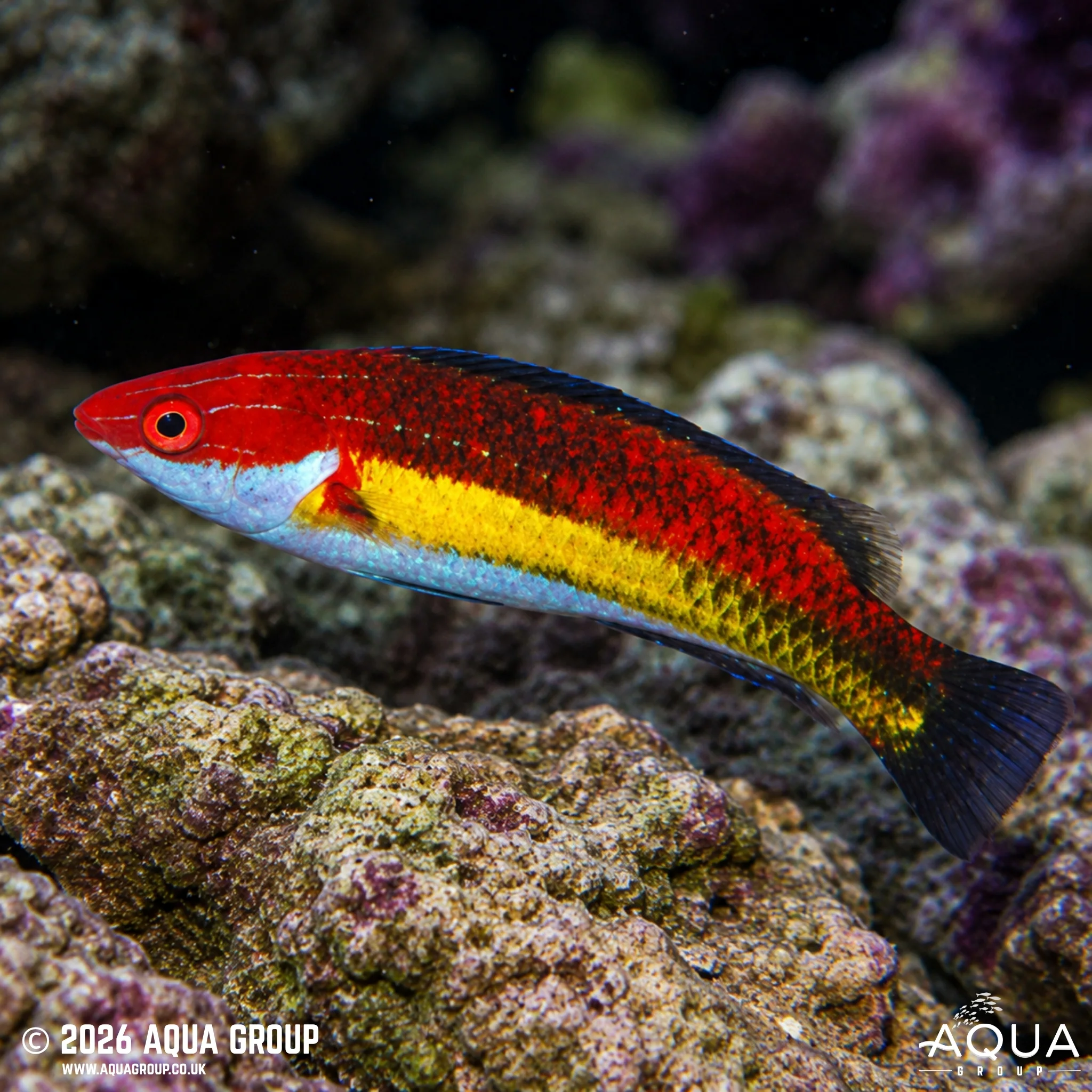
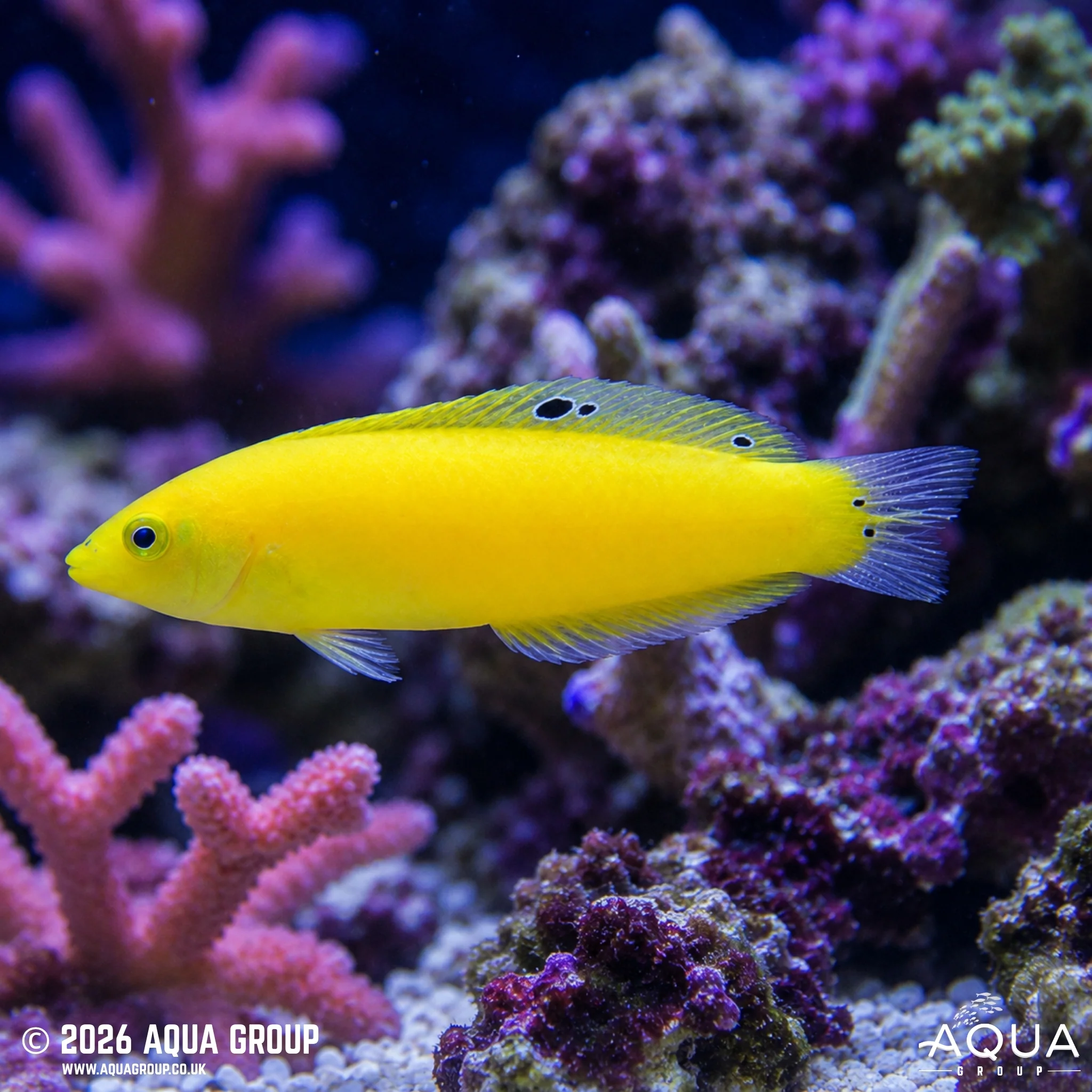
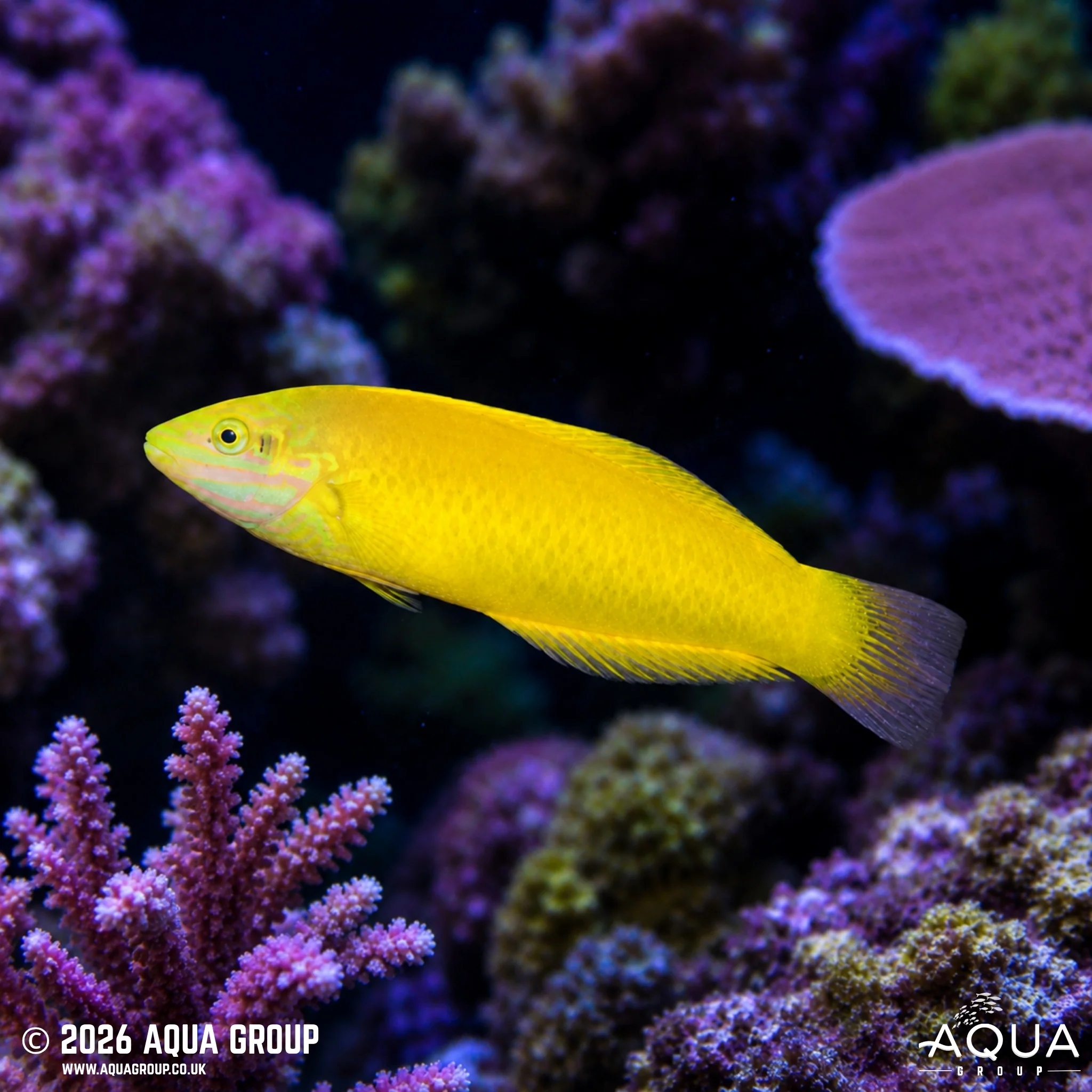
The Black Tail Tamarin Wrasse, Anampses chrysocephalus, is a rare and beautiful Hawaiian wrasse with dramatic sex-related colour variation. Female-phase fish are typically dark-bodied with fine pale spotting, contrasting tail markings and a bold, elegant appearance, while mature males transform into a much brighter orange, blue and patterned form often traded as the Psychedelic Wrasse. This Central Pacific tamarin wrasse is peaceful and reef safe with caution, but it is a specialist species that requires a mature aquarium, soft sand, abundant microfauna and careful feeding.
Common Name:
Black Tail Tamarin Wrasse, Red Tail Tamarin Wrasse, Redtail Tamarin Wrasse, Red-tail Wrasse, Psychedelic Wrasse, Hawaiian Tamarin Wrasse.
Scientific Name (Latin):
Anampses chrysocephalus
Maximum Size:
Up to around 17 cm for males. Females are usually smaller, often around 10–12 cm.
Water Type:
Marine
Origin / Natural Habitat:
Central Pacific, especially the Hawaiian Islands and nearby Johnston Atoll region. Adults inhabit seaward reefs, where they are usually found around coral-rich reef areas, rubble zones and mixed rock-sand habitats. A single male is commonly found with a group of females in natural social groups.
Water Parameters:
Temperature: 24–27°C
pH Range: 8.1–8.4
Hardness or Salinity: SG 1.020–1.025
Temperament:
Generally peaceful towards unrelated fish, but delicate and easily stressed during shipping and acclimation. It may be territorial towards other Anampses wrasses or similar tamarin wrasses, particularly in smaller aquariums. Best kept with calm to moderately active reef-safe fish that will not bully it or outcompete it for food.
Diet:
Carnivorous micro-predator. In the wild, tamarin wrasses forage across reef rubble, rock and sand for tiny benthic invertebrates and crustaceans. In the aquarium, offer frequent small feeds of frozen mysis, enriched brineshrimp, copepods, cyclops, calanus, finely chopped clam, finely chopped prawn and high-quality small marine pellets if accepted. Newly imported specimens may rely heavily on natural live foods at first, so a mature, pod-rich aquarium is strongly recommended.
Minimum Tank Size:
A minimum of 400 litres is recommended for a single specimen, with larger aquariums preferred for long-term care or if keeping with other active wrasses. Provide mature live rock, open swimming room and a soft sand bed.
Behaviour & Activity:
An active daytime forager that cruises over rockwork, coral rubble and sand while picking at tiny prey. Like other tamarin wrasses, it buries in soft sand to sleep, hide or recover from stress, and newly introduced specimens may remain buried for several days while settling. Females may transition to males in suitable social conditions, with major changes in colour and pattern. A tight-fitting lid or mesh cover is essential, as wrasses can jump when startled.
Reef Safe:
Reef Safe with Caution
Generally safe with corals and most sessile invertebrates, as it does not normally nip coral tissue. The caution is due to its natural feeding behaviour: it may eat small worms, pods, tiny snails, flatworms, feather dusters, very small shrimps and other small mobile invertebrates. Larger established ornamental shrimps are often ignored, but this cannot be guaranteed.
Special Requirements or Care Notes:
This is an expert-level tamarin wrasse. A soft, fine sand bed is essential for sleeping and stress reduction. Avoid coarse coral gravel, bare-bottom systems, newly set-up aquariums and aggressive tank mates. Choose alert, feeding specimens with no mouth damage, as Anampses wrasses can ship poorly and may be difficult to acclimate. Feed frequently, monitor body condition closely and expect sex-related colour changes over time.
Suitable for:
Expert only
Availability:
Rare or occasional in trade
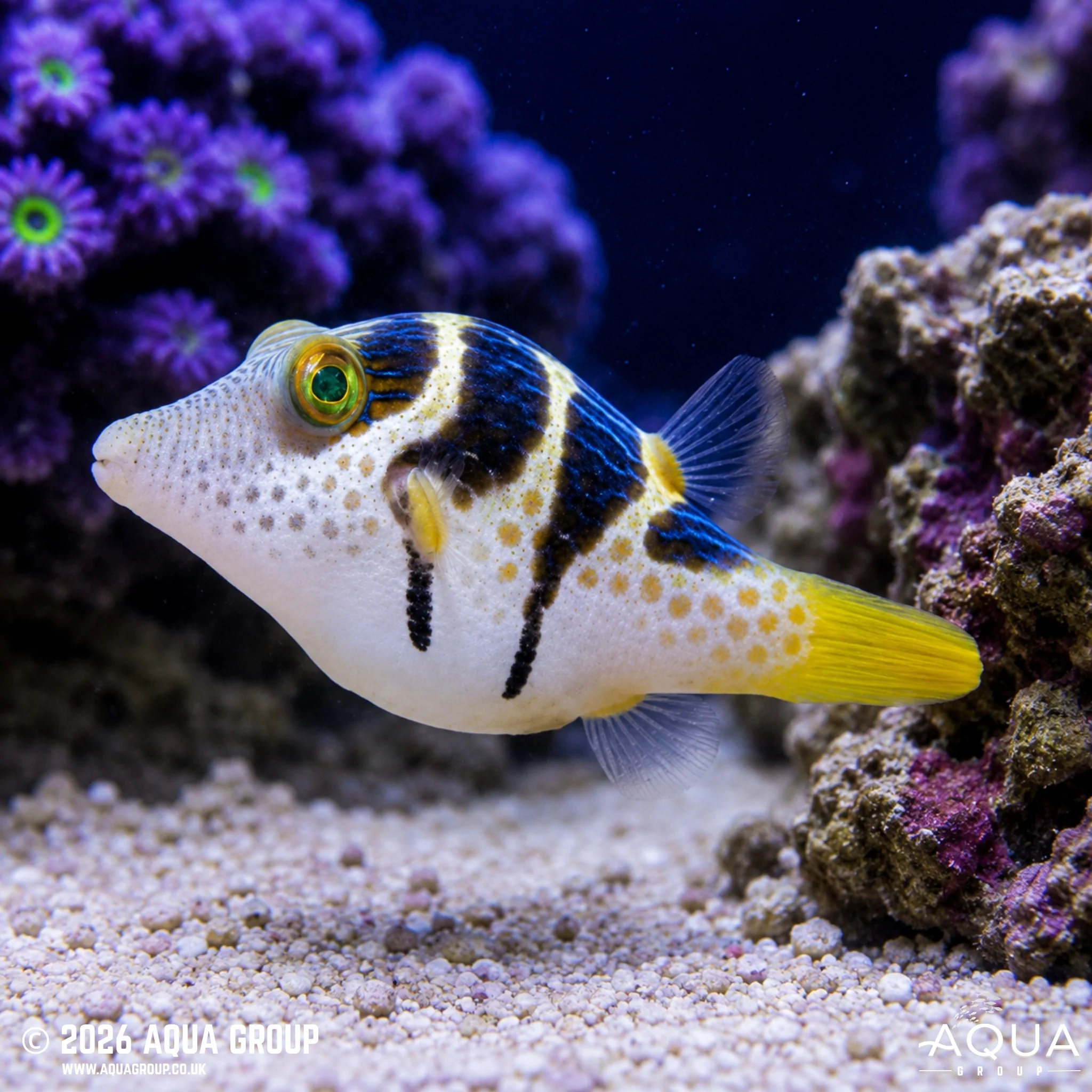
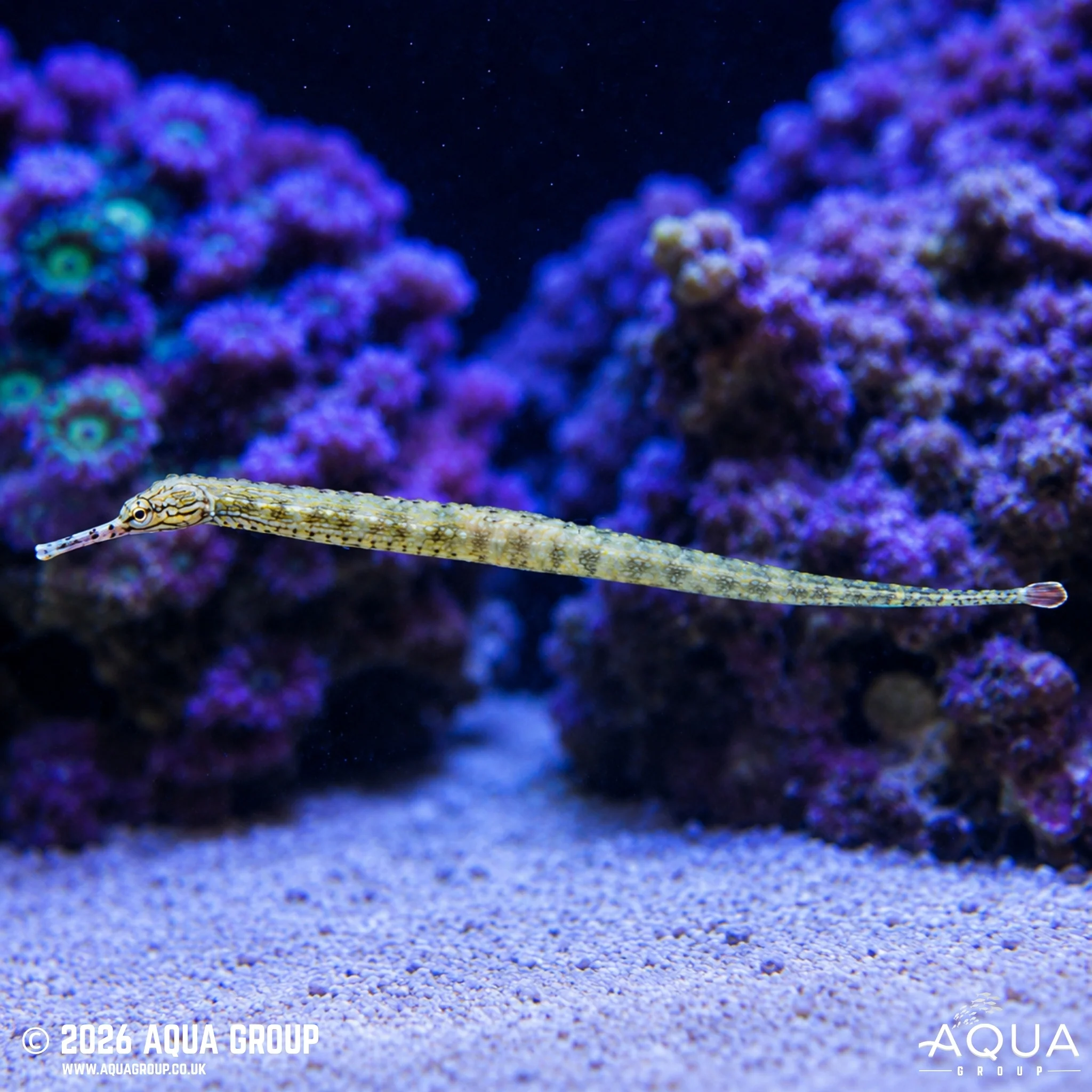
All images are a visual representation of the fish you will receive, made to be as accurate as possible. Please note that Mother Nature is a wonderful thing, and variation in patterns and colours will occur — that is part of the unique beauty of these animals.

Details & Craftsmanship
Every detail has been carefully considered to bring you the perfect product.
Description
Black Tail Tamarin Wrasse (Anampses chrysocephalus)
The Black Tail Tamarin Wrasse, Anampses chrysocephalus, is a rare and beautiful Hawaiian wrasse with dramatic sex-related colour variation. Female-phase fish are typically dark-bodied with fine pale spotting, contrasting tail markings and a bold, elegant appearance, while mature males transform into a much brighter orange, blue and patterned form often traded as the Psychedelic Wrasse. This Central Pacific tamarin wrasse is peaceful and reef safe with caution, but it is a specialist species that requires a mature aquarium, soft sand, abundant microfauna and careful feeding.
Common Name:
Black Tail Tamarin Wrasse, Red Tail Tamarin Wrasse, Redtail Tamarin Wrasse, Red-tail Wrasse, Psychedelic Wrasse, Hawaiian Tamarin Wrasse.
Scientific Name (Latin):
Anampses chrysocephalus
Maximum Size:
Up to around 17 cm for males. Females are usually smaller, often around 10–12 cm.
Water Type:
Marine
Origin / Natural Habitat:
Central Pacific, especially the Hawaiian Islands and nearby Johnston Atoll region. Adults inhabit seaward reefs, where they are usually found around coral-rich reef areas, rubble zones and mixed rock-sand habitats. A single male is commonly found with a group of females in natural social groups.
Water Parameters:
Temperature: 24–27°C
pH Range: 8.1–8.4
Hardness or Salinity: SG 1.020–1.025
Temperament:
Generally peaceful towards unrelated fish, but delicate and easily stressed during shipping and acclimation. It may be territorial towards other Anampses wrasses or similar tamarin wrasses, particularly in smaller aquariums. Best kept with calm to moderately active reef-safe fish that will not bully it or outcompete it for food.
Diet:
Carnivorous micro-predator. In the wild, tamarin wrasses forage across reef rubble, rock and sand for tiny benthic invertebrates and crustaceans. In the aquarium, offer frequent small feeds of frozen mysis, enriched brineshrimp, copepods, cyclops, calanus, finely chopped clam, finely chopped prawn and high-quality small marine pellets if accepted. Newly imported specimens may rely heavily on natural live foods at first, so a mature, pod-rich aquarium is strongly recommended.
Minimum Tank Size:
A minimum of 400 litres is recommended for a single specimen, with larger aquariums preferred for long-term care or if keeping with other active wrasses. Provide mature live rock, open swimming room and a soft sand bed.
Behaviour & Activity:
An active daytime forager that cruises over rockwork, coral rubble and sand while picking at tiny prey. Like other tamarin wrasses, it buries in soft sand to sleep, hide or recover from stress, and newly introduced specimens may remain buried for several days while settling. Females may transition to males in suitable social conditions, with major changes in colour and pattern. A tight-fitting lid or mesh cover is essential, as wrasses can jump when startled.
Reef Safe:
Reef Safe with Caution
Generally safe with corals and most sessile invertebrates, as it does not normally nip coral tissue. The caution is due to its natural feeding behaviour: it may eat small worms, pods, tiny snails, flatworms, feather dusters, very small shrimps and other small mobile invertebrates. Larger established ornamental shrimps are often ignored, but this cannot be guaranteed.
Special Requirements or Care Notes:
This is an expert-level tamarin wrasse. A soft, fine sand bed is essential for sleeping and stress reduction. Avoid coarse coral gravel, bare-bottom systems, newly set-up aquariums and aggressive tank mates. Choose alert, feeding specimens with no mouth damage, as Anampses wrasses can ship poorly and may be difficult to acclimate. Feed frequently, monitor body condition closely and expect sex-related colour changes over time.
Suitable for:
Expert only
Availability:
Rare or occasional in trade
All images are a visual representation of the fish you will receive, made to be as accurate as possible. Please note that Mother Nature is a wonderful thing, and variation in patterns and colours will occur — that is part of the unique beauty of these animals.