Original: $53.70
-65%$53.70
$18.79The Story
Leopard Puffer (Canthigaster leoparda)
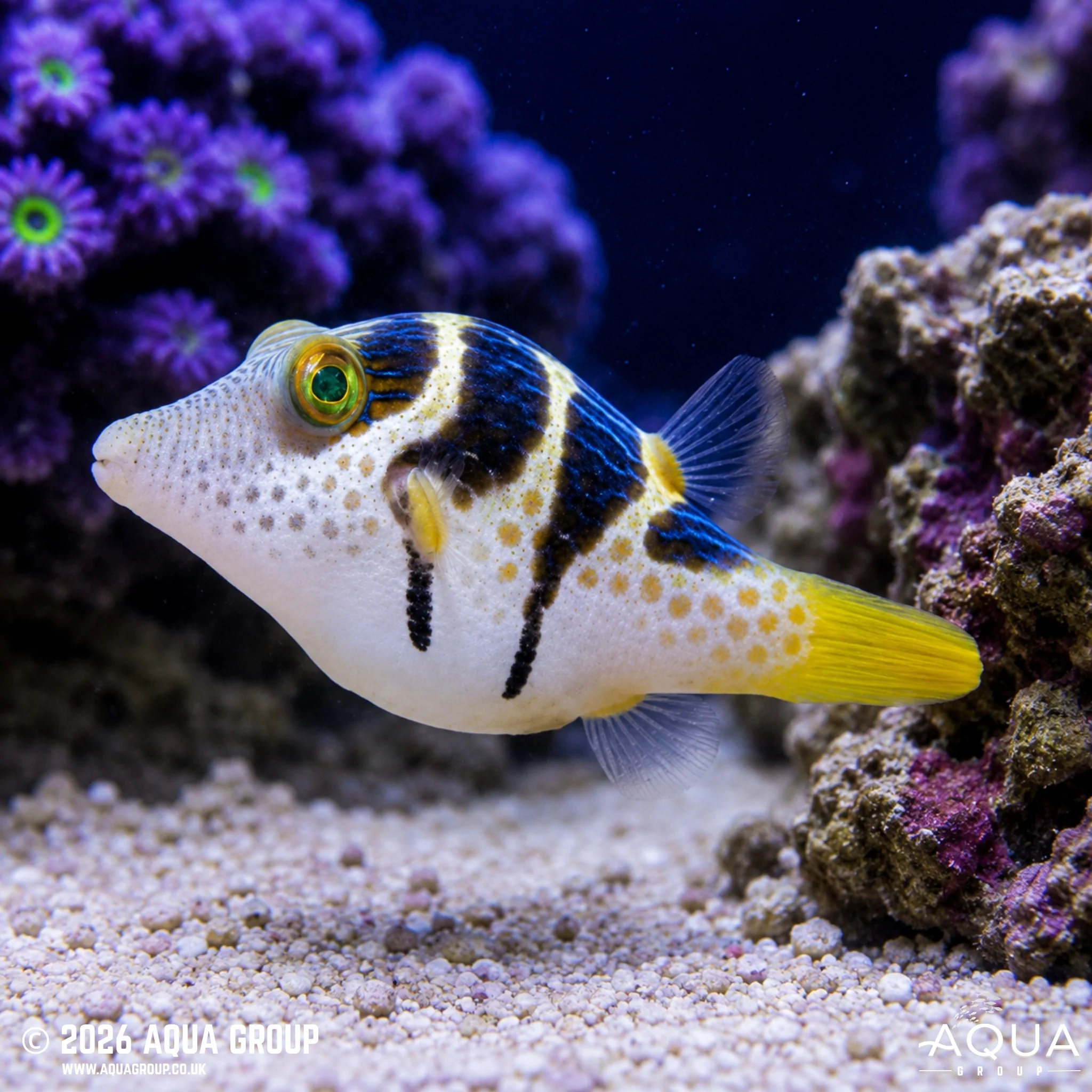
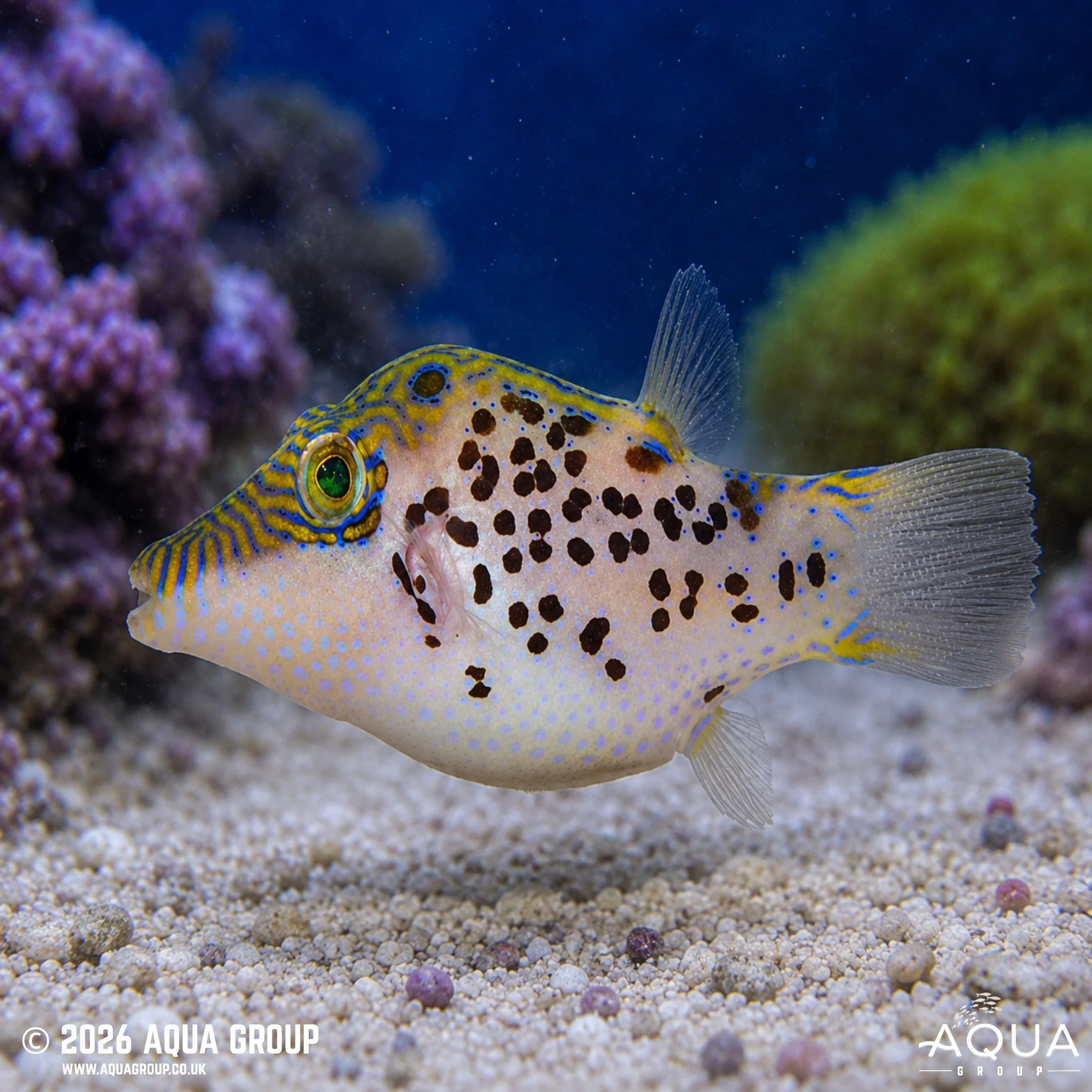
The Leopard Puffer, Canthigaster leoparda, is a rare and attractive sharpnose puffer with a pale body, leopard-like brown blotches, blue facial markings and a distinctive spotted pattern. Also known as the Leopard Toby or Leopard Sharpnose Puffer, this Eastern Indian Ocean species is an inquisitive marine fish with plenty of personality. It is best suited to fish-only or carefully planned marine aquariums, as it may nip fins, corals and ornamental invertebrates.
Common Name:
Leopard Puffer, Leopard Toby, Leopard Sharpnose Puffer, Leopard Sharp-nosed Puffer.
Scientific Name (Latin):
Canthigaster leoparda
Maximum Size:
Up to around 9 cm.
Water Type:
Marine
Origin / Natural Habitat:
Eastern Indian Ocean. Naturally found in deeper reef habitats, usually along steep drop-offs, caves and deeper reef slopes at more than 30 m. It is typically seen singly or in pairs, using rocky cover and cave areas for shelter.
Water Parameters:
Temperature: 23–27°C
pH Range: 8.1–8.4
Hardness or Salinity: SG 1.020–1.025
Temperament:
Generally peaceful to semi-aggressive. Like other sharpnose puffers, it is curious and may nip at slow-moving, long-finned or timid tank mates. It is best kept with robust peaceful to moderately assertive marine fish, rather than delicate community species.
Diet:
Omnivorous grazer and micro-predator. In the aquarium, offer a varied diet of chopped clam, mussel, cockle, prawn, mysis, krill, marine pellets, spirulina-based foods and occasional algae sheets. Include hard-shelled foods regularly to help wear down the beak-like teeth.
Minimum Tank Size:
A minimum of 150 litres is recommended for a single specimen, with 200 litres or more preferred for a mixed marine community. Provide mature rockwork, caves, overhangs and open swimming space.
Behaviour & Activity:
An alert and inquisitive puffer that spends much of its time exploring rockwork, inspecting surfaces and searching for food. It may hover, perch and investigate objects with its beak-like mouth. Provide caves and shaded retreats, especially as this species is naturally associated with deeper drop-offs and cave habitats. Avoid deliberately startling or handling puffers, as inflation can be stressful and dangerous to the fish.
Reef Safe:
Reef Safe with Caution
Not reliably reef safe. It may nip soft corals, fleshy LPS corals, zoanthids, tube worms, clam mantles, snails, shrimps, crabs and other small or slow-moving invertebrates. It is usually best treated as a fish-only-with-live-rock species, or kept only in reef aquariums where some invertebrate or coral-nipping risk is acceptable.
Special Requirements or Care Notes:
Requires regular hard foods to help prevent overgrown teeth. Avoid housing with ornamental shrimps, prized snails, small crabs, delicate corals or very long-finned fish if losses or damage would be a concern. Use a container rather than a net when moving where possible, as puffers can inflate when stressed and may trap air if lifted from the water. Maintain excellent water quality and avoid copper-based treatments in systems containing invertebrates.
Suitable for:
Intermediate fishkeepers
Availability:
Rare or occasional in trade
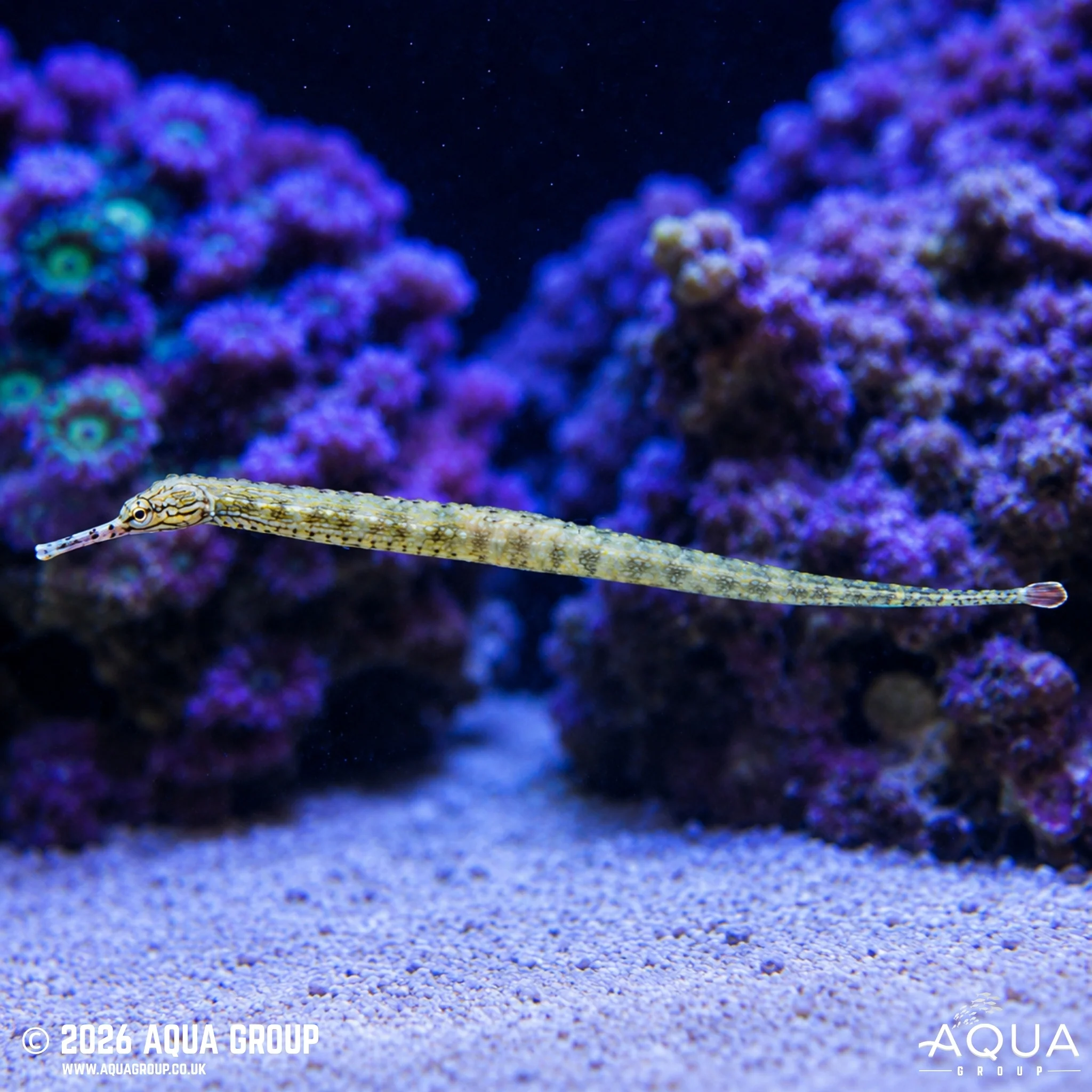
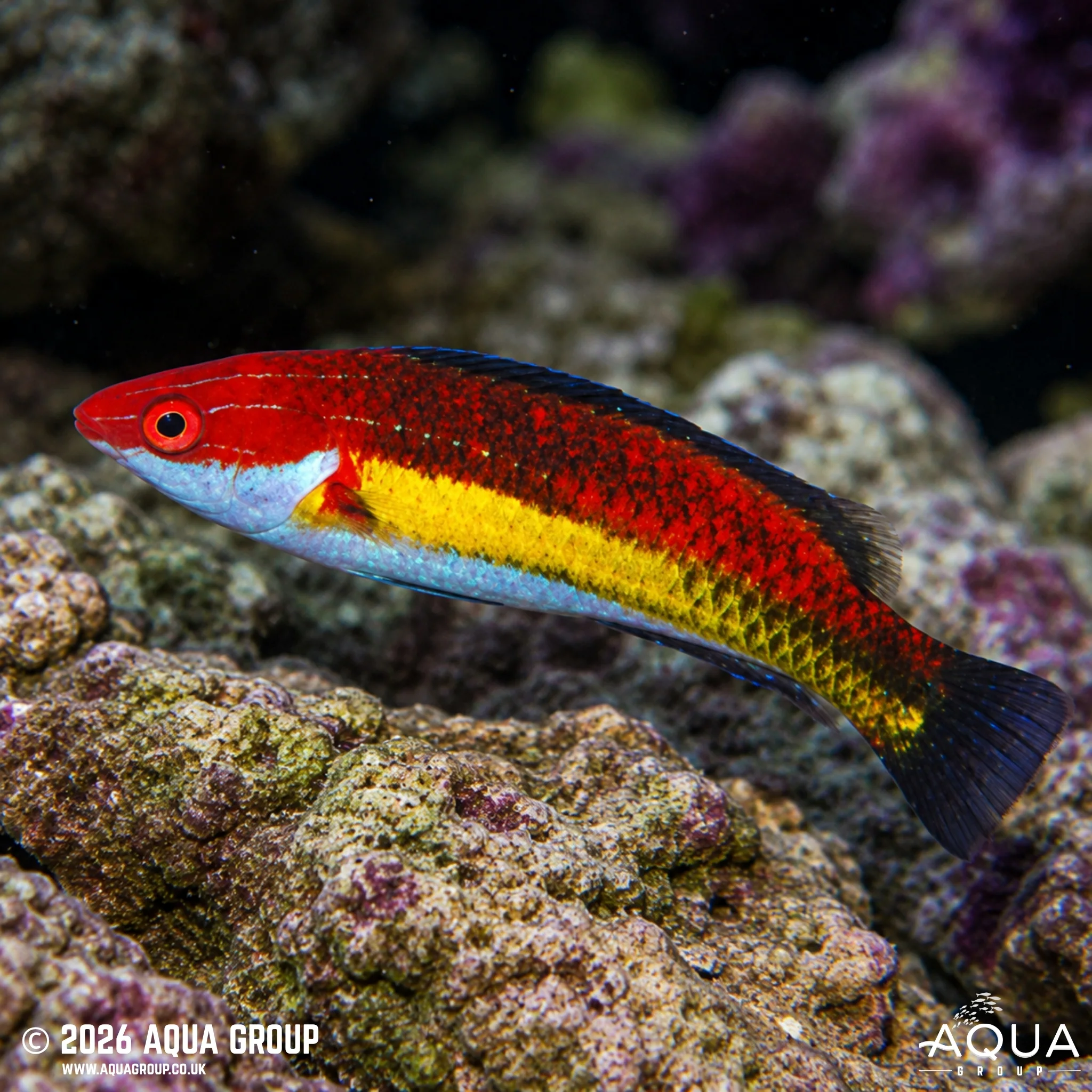
All images are a visual representation of the fish you will receive, made to be as accurate as possible. Please note that Mother Nature is a wonderful thing, and variation in patterns and colours will occur — that is part of the unique beauty of these animals.
Description
Leopard Puffer (Canthigaster leoparda)
The Leopard Puffer, Canthigaster leoparda, is a rare and attractive sharpnose puffer with a pale body, leopard-like brown blotches, blue facial markings and a distinctive spotted pattern. Also known as the Leopard Toby or Leopard Sharpnose Puffer, this Eastern Indian Ocean species is an inquisitive marine fish with plenty of personality. It is best suited to fish-only or carefully planned marine aquariums, as it may nip fins, corals and ornamental invertebrates.
Common Name:
Leopard Puffer, Leopard Toby, Leopard Sharpnose Puffer, Leopard Sharp-nosed Puffer.
Scientific Name (Latin):
Canthigaster leoparda
Maximum Size:
Up to around 9 cm.
Water Type:
Marine
Origin / Natural Habitat:
Eastern Indian Ocean. Naturally found in deeper reef habitats, usually along steep drop-offs, caves and deeper reef slopes at more than 30 m. It is typically seen singly or in pairs, using rocky cover and cave areas for shelter.
Water Parameters:
Temperature: 23–27°C
pH Range: 8.1–8.4
Hardness or Salinity: SG 1.020–1.025
Temperament:
Generally peaceful to semi-aggressive. Like other sharpnose puffers, it is curious and may nip at slow-moving, long-finned or timid tank mates. It is best kept with robust peaceful to moderately assertive marine fish, rather than delicate community species.
Diet:
Omnivorous grazer and micro-predator. In the aquarium, offer a varied diet of chopped clam, mussel, cockle, prawn, mysis, krill, marine pellets, spirulina-based foods and occasional algae sheets. Include hard-shelled foods regularly to help wear down the beak-like teeth.
Minimum Tank Size:
A minimum of 150 litres is recommended for a single specimen, with 200 litres or more preferred for a mixed marine community. Provide mature rockwork, caves, overhangs and open swimming space.
Behaviour & Activity:
An alert and inquisitive puffer that spends much of its time exploring rockwork, inspecting surfaces and searching for food. It may hover, perch and investigate objects with its beak-like mouth. Provide caves and shaded retreats, especially as this species is naturally associated with deeper drop-offs and cave habitats. Avoid deliberately startling or handling puffers, as inflation can be stressful and dangerous to the fish.
Reef Safe:
Reef Safe with Caution
Not reliably reef safe. It may nip soft corals, fleshy LPS corals, zoanthids, tube worms, clam mantles, snails, shrimps, crabs and other small or slow-moving invertebrates. It is usually best treated as a fish-only-with-live-rock species, or kept only in reef aquariums where some invertebrate or coral-nipping risk is acceptable.
Special Requirements or Care Notes:
Requires regular hard foods to help prevent overgrown teeth. Avoid housing with ornamental shrimps, prized snails, small crabs, delicate corals or very long-finned fish if losses or damage would be a concern. Use a container rather than a net when moving where possible, as puffers can inflate when stressed and may trap air if lifted from the water. Maintain excellent water quality and avoid copper-based treatments in systems containing invertebrates.
Suitable for:
Intermediate fishkeepers
Availability:
Rare or occasional in trade
All images are a visual representation of the fish you will receive, made to be as accurate as possible. Please note that Mother Nature is a wonderful thing, and variation in patterns and colours will occur — that is part of the unique beauty of these animals.