Original: $46.99
-65%$46.99
$16.45The Story
Scribbled Boxfish (Ostracion solorense)
The Scribbled Boxfish, Ostracion solorense, is a striking marine boxfish with a rigid, cube-like body and intricate maze-like blue, yellow, brown or reticulated markings. Also known as the Scribble Boxfish, Reticulate Boxfish, Solor Boxfish or Striped Boxfish, this Indo-West Pacific species is full of character and unusual movement. It is best suited to spacious fish-only marine aquariums, as boxfish can be delicate, are not reliably reef safe and may release toxins if severely stressed or dying.
Common Name:
Scribbled Boxfish, Scribble Boxfish, Reticulate Boxfish, Solor Boxfish, Striped Boxfish, Scribble Box.
Scientific Name (Latin):
Ostracion solorense
Often still listed in trade as Ostracion solorensis.
Maximum Size:
Up to around 12 cm, making it smaller than many other boxfish, but still requiring a stable and spacious aquarium.
Water Type:
Marine
Origin / Natural Habitat:
Far eastern Indian Ocean and Western Pacific, including Indonesia, the Philippines, northern Australia and surrounding reef regions. Naturally found on clear coastal reefs, shallow reef crests and upper reef slopes to around 15 m, especially in coral-rich areas with abundant invertebrate life. It is usually seen singly or in pairs.
Water Parameters:
Temperature: 24–27°C
pH Range: 8.1–8.4
Hardness or Salinity: SG 1.020–1.025
Temperament:
Generally peaceful but easily stressed. It should not be kept with aggressive, fast-feeding or fin-nipping tank mates. Avoid triggers, puffers, large wrasses, aggressive damsels and boisterous predators that may harass or outcompete it.
Diet:
Omnivorous grazer and micro-predator. In the wild, boxfish feed on a mixture of algae, small benthic invertebrates, sponges, tunicates, worms, molluscs, crustaceans and other reef-surface foods. In the aquarium, offer a varied diet of frozen mysis, enriched brineshrimp, chopped clam, mussel, prawn, marine pellets, spirulina-based foods, algae sheets and sponge-based angelfish preparations. Feed small portions and make sure it is not outcompeted.
Minimum Tank Size:
A minimum of 300 litres is recommended for a single specimen, with larger aquariums preferred for long-term stability. Provide open swimming space, mature live rock, low-stress shelter and excellent filtration.
Behaviour & Activity:
A slow, deliberate swimmer that hovers and manoeuvres with small fin movements rather than fast bursts of speed. It spends much of its time inspecting rockwork, reef surfaces and open areas for food. Its rigid body shape makes it less agile than many reef fish, so it needs gentle to moderate flow areas, secure hiding places and calm tank mates.
Reef Safe:
Not Reef Safe
Not recommended for reef aquariums. It may pick at small invertebrates, worms, sponges, tunicates and possibly sessile reef life, and its toxin-release risk makes it unsuitable for delicate reef systems. It is best kept in a carefully managed fish-only or fish-only-with-live-rock aquarium.
Special Requirements or Care Notes:
Boxfish can release toxic compounds when severely stressed, injured or dying, which may endanger other aquarium livestock. Maintain excellent water quality, avoid bullying tank mates and never expose it to rough handling. Use a container rather than a net where possible. Do not use transport water in the aquarium. Quarantine and treatment should be planned carefully, as boxfish can be sensitive to some medications, including copper. Strong filtration, activated carbon and prompt removal of any dead specimen are sensible precautions.
Suitable for:
Experienced fishkeepers
Availability:
Rare or occasional in trade
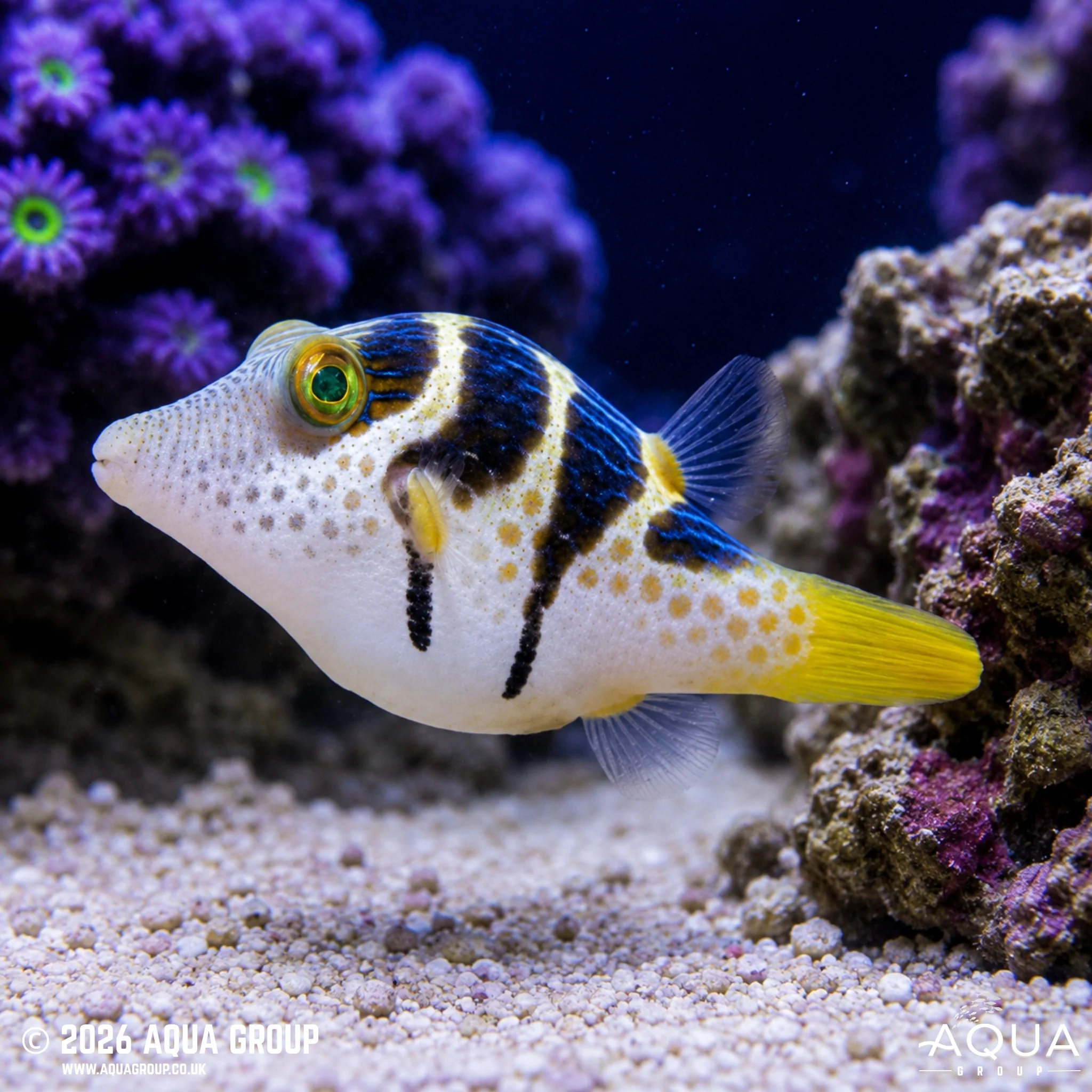
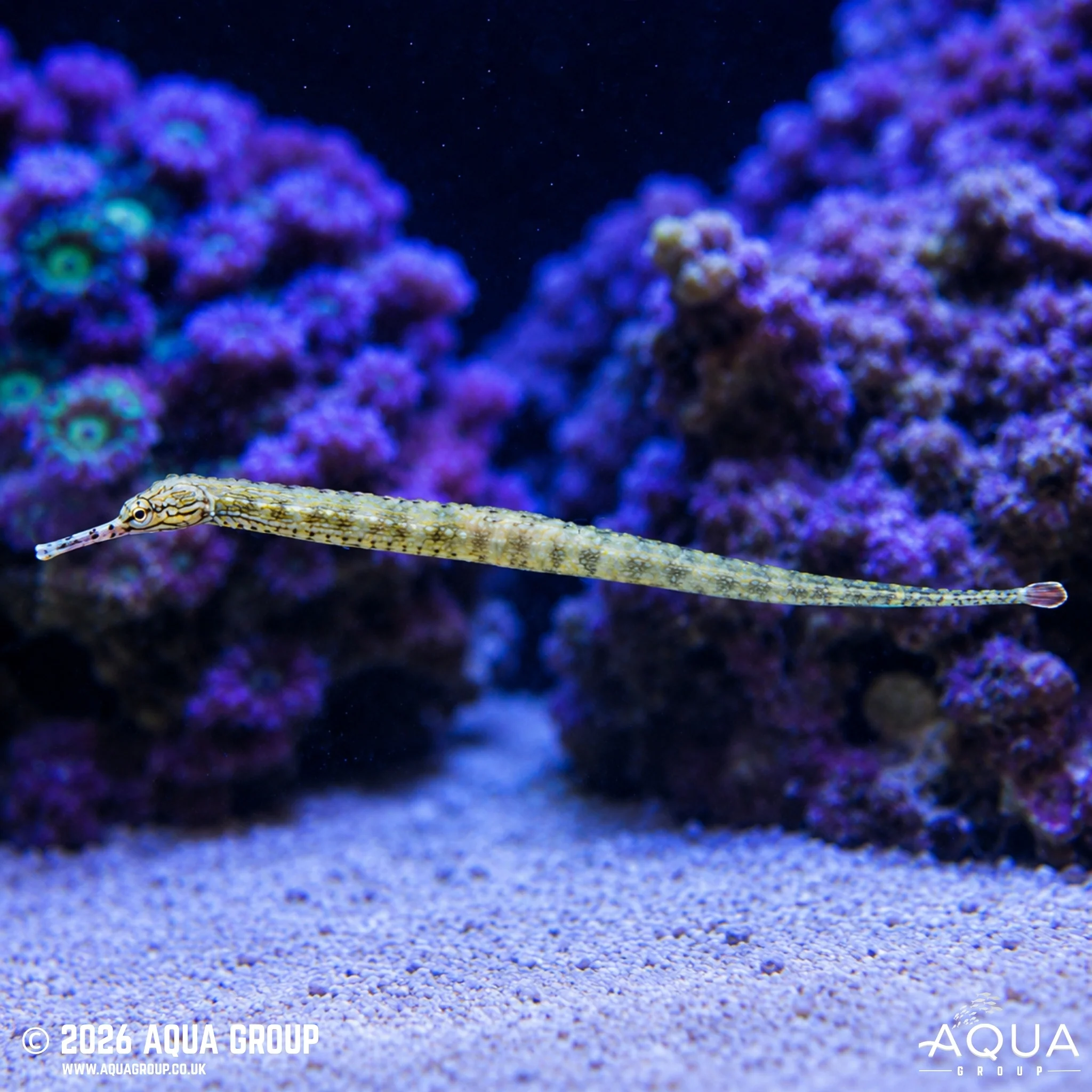
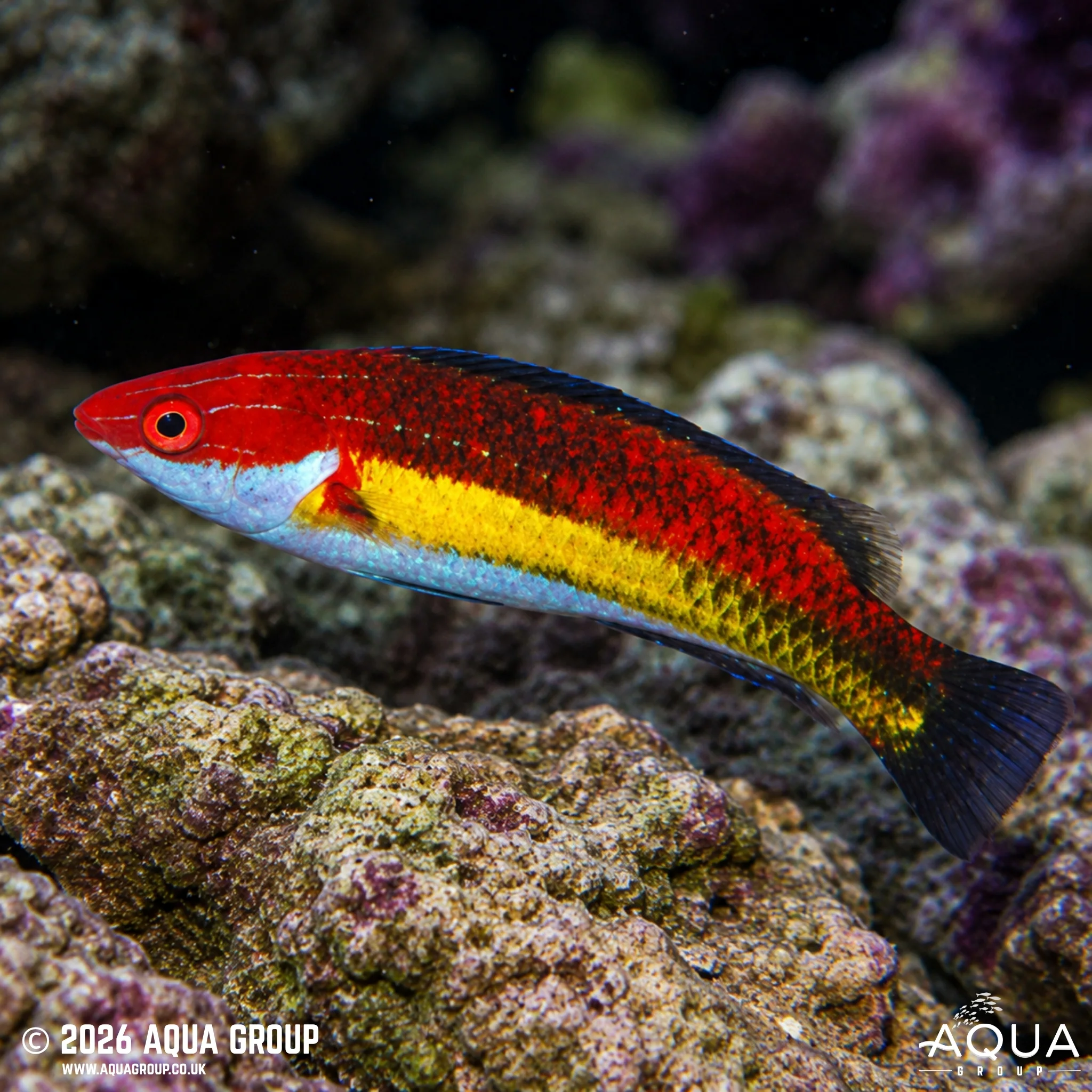
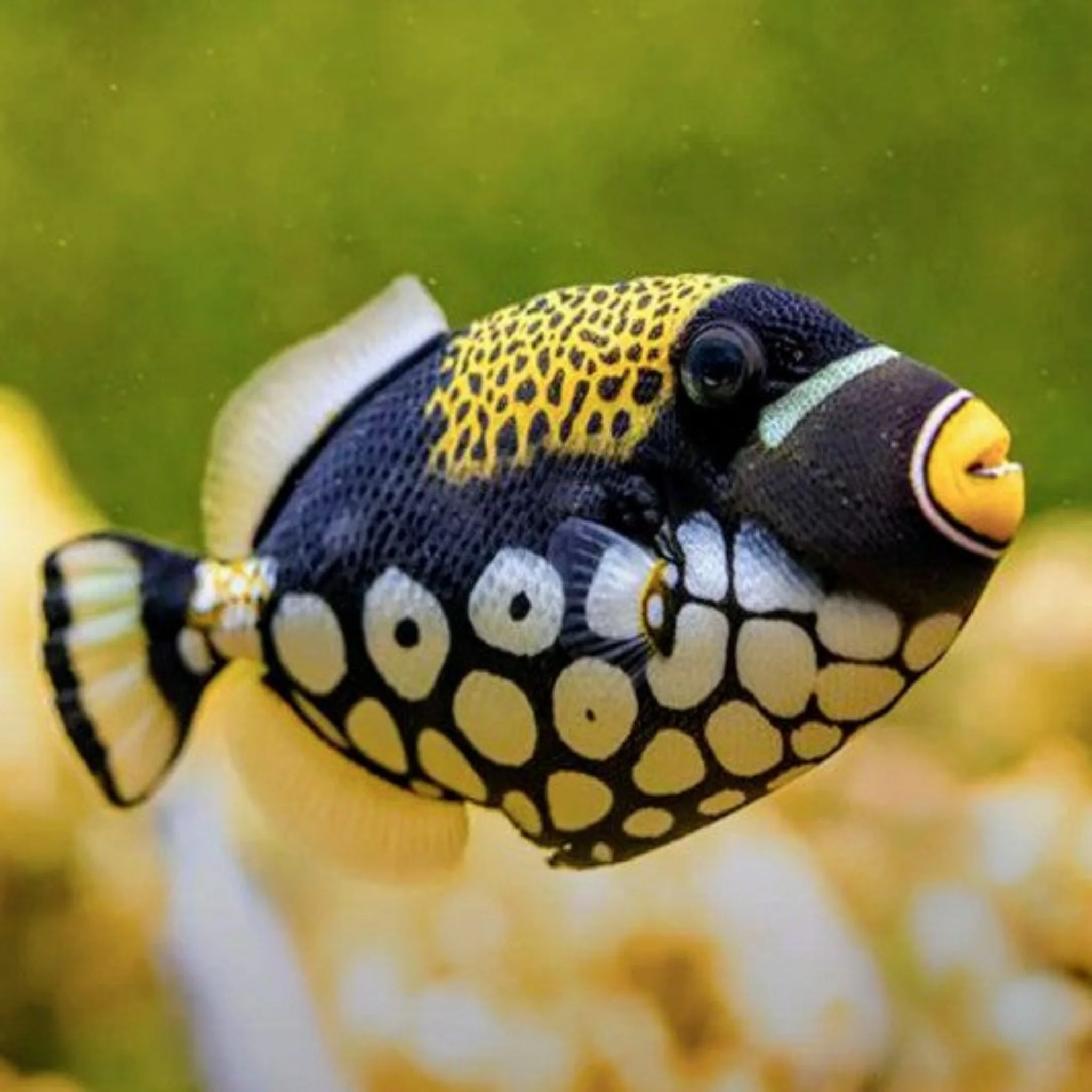
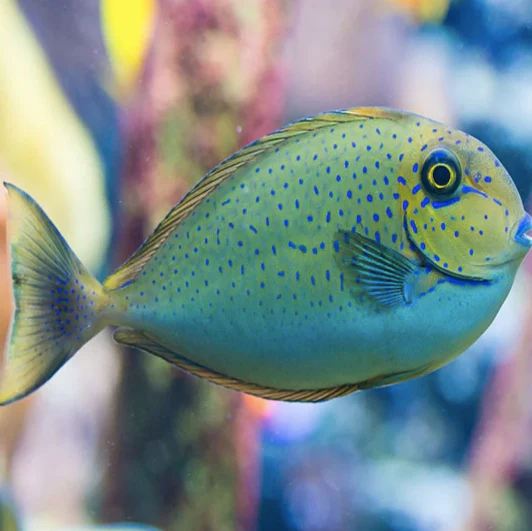
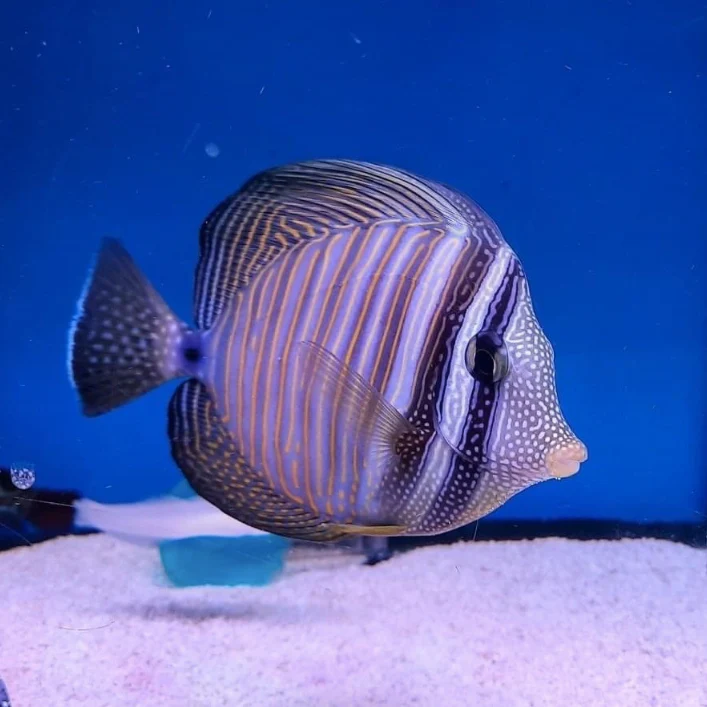
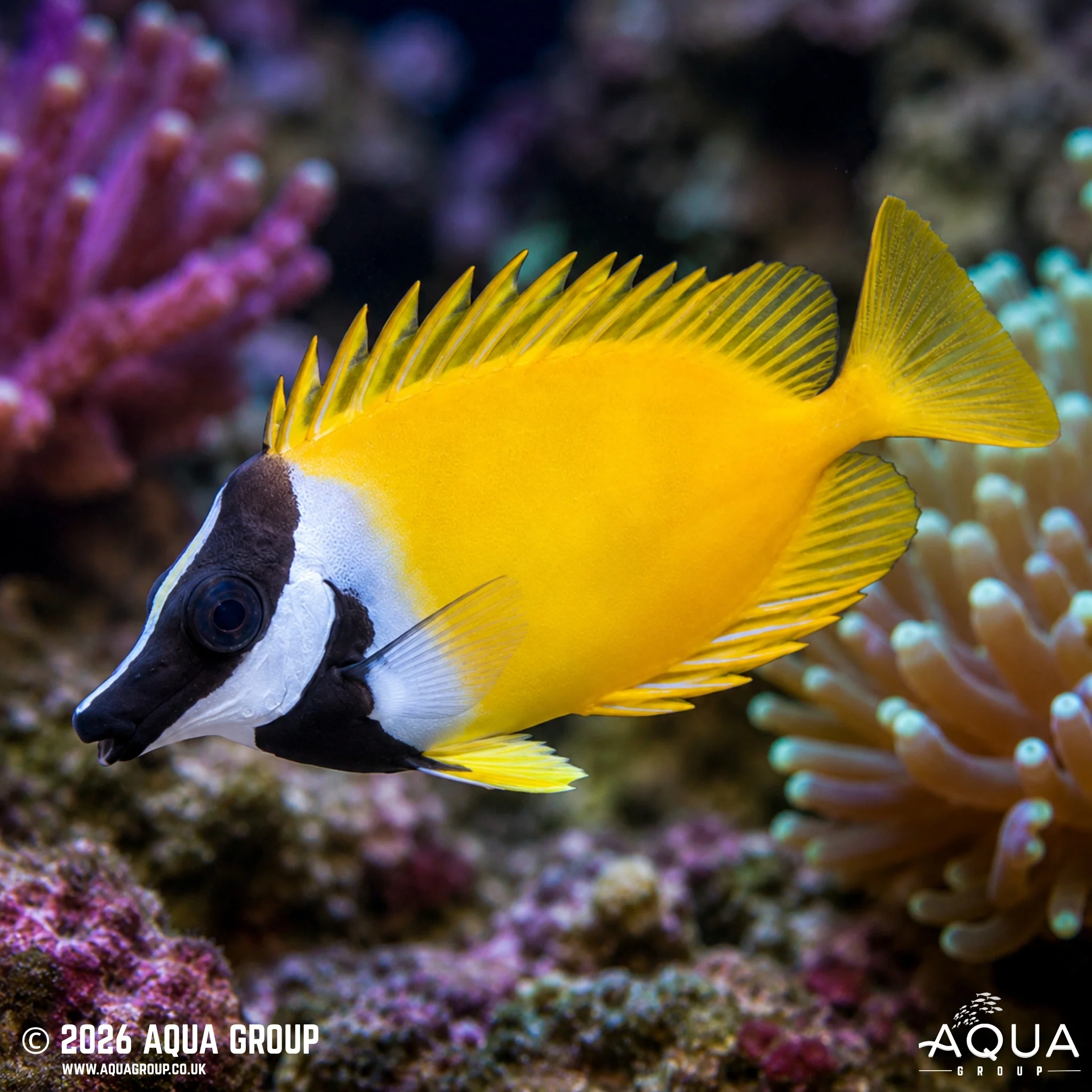
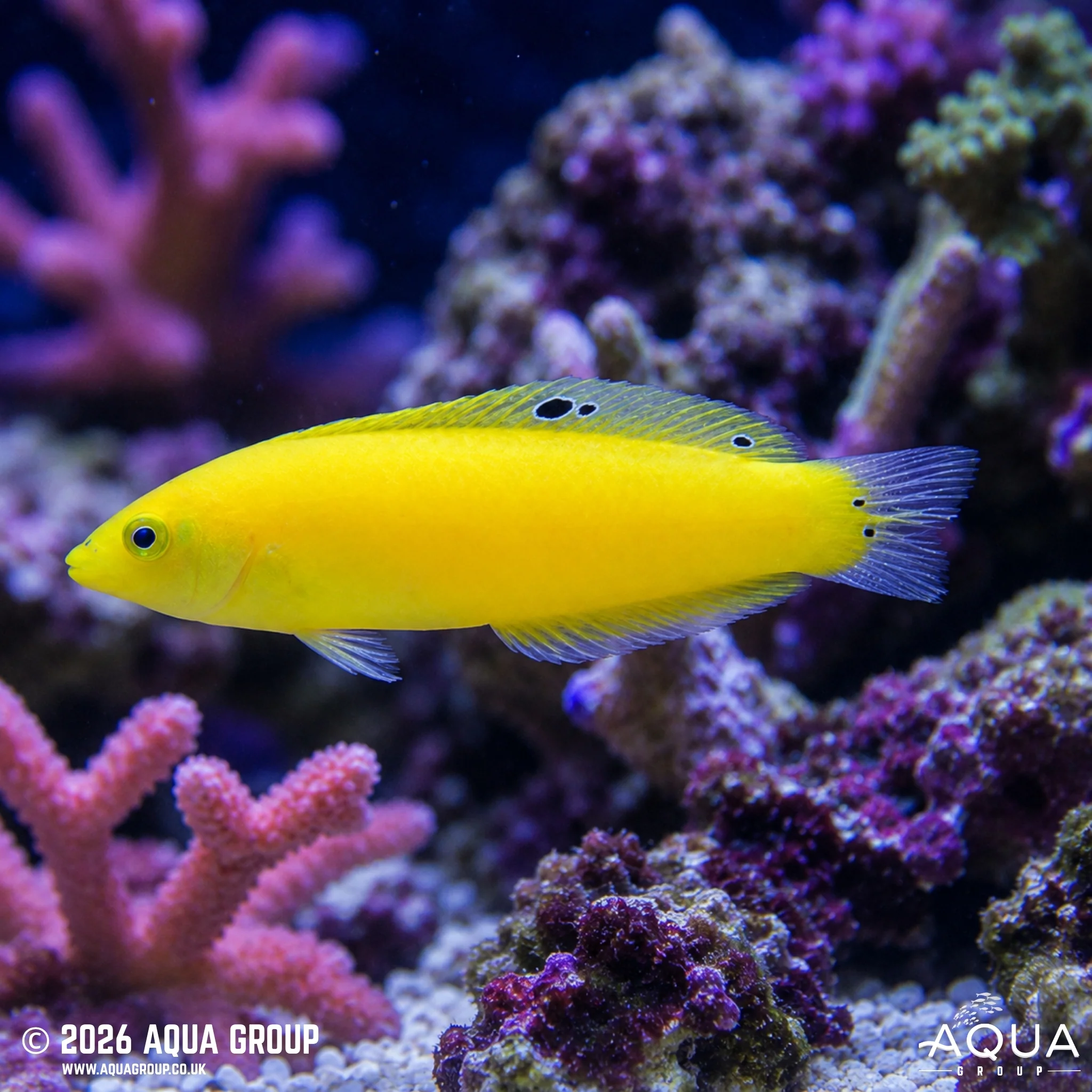
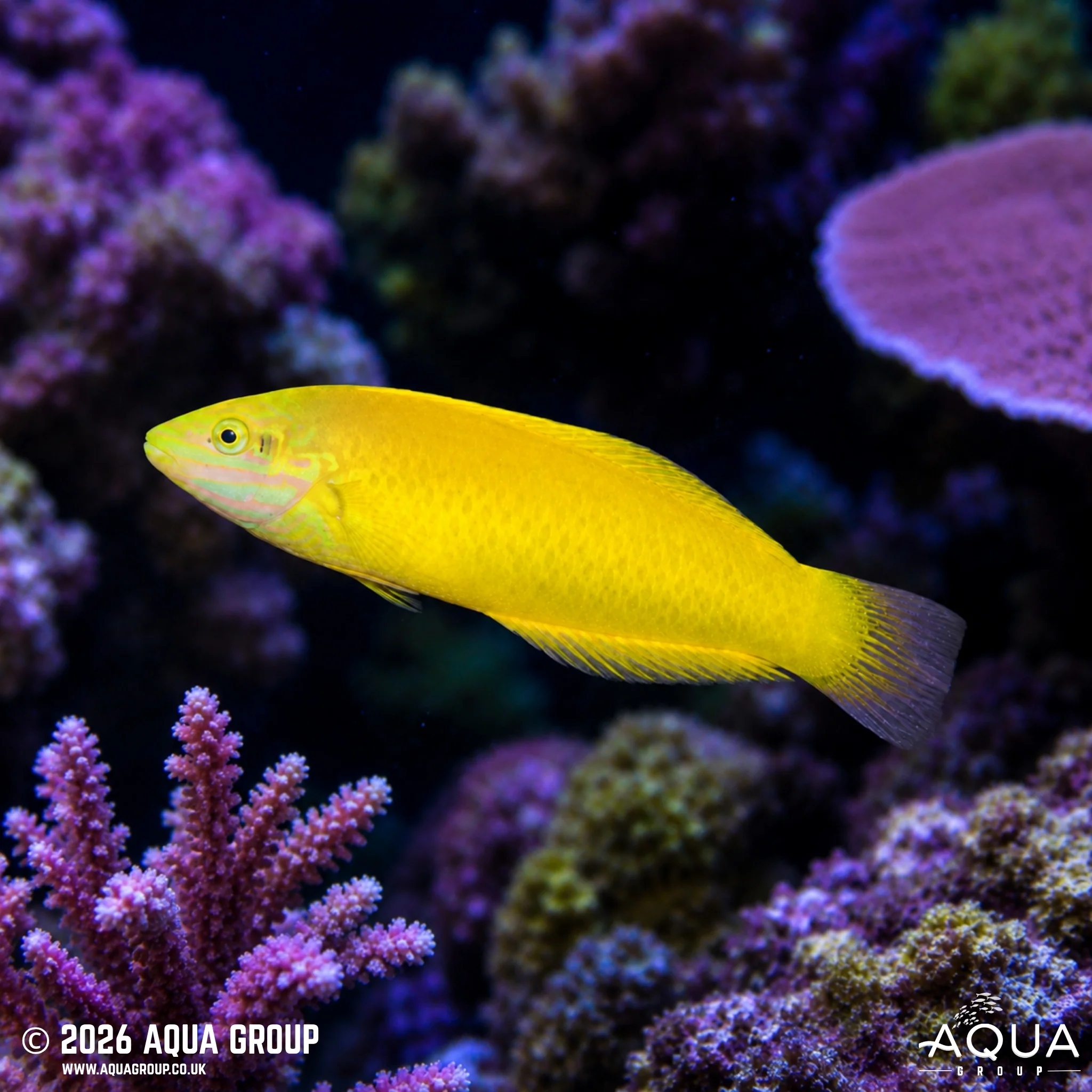
All images are a visual representation of the fish you will receive, made to be as accurate as possible. Please note that Mother Nature is a wonderful thing, and variation in patterns and colours will occur — that is part of the unique beauty of these animals.

Details & Craftsmanship
Every detail has been carefully considered to bring you the perfect product.
Description
Scribbled Boxfish (Ostracion solorense)
The Scribbled Boxfish, Ostracion solorense, is a striking marine boxfish with a rigid, cube-like body and intricate maze-like blue, yellow, brown or reticulated markings. Also known as the Scribble Boxfish, Reticulate Boxfish, Solor Boxfish or Striped Boxfish, this Indo-West Pacific species is full of character and unusual movement. It is best suited to spacious fish-only marine aquariums, as boxfish can be delicate, are not reliably reef safe and may release toxins if severely stressed or dying.
Common Name:
Scribbled Boxfish, Scribble Boxfish, Reticulate Boxfish, Solor Boxfish, Striped Boxfish, Scribble Box.
Scientific Name (Latin):
Ostracion solorense
Often still listed in trade as Ostracion solorensis.
Maximum Size:
Up to around 12 cm, making it smaller than many other boxfish, but still requiring a stable and spacious aquarium.
Water Type:
Marine
Origin / Natural Habitat:
Far eastern Indian Ocean and Western Pacific, including Indonesia, the Philippines, northern Australia and surrounding reef regions. Naturally found on clear coastal reefs, shallow reef crests and upper reef slopes to around 15 m, especially in coral-rich areas with abundant invertebrate life. It is usually seen singly or in pairs.
Water Parameters:
Temperature: 24–27°C
pH Range: 8.1–8.4
Hardness or Salinity: SG 1.020–1.025
Temperament:
Generally peaceful but easily stressed. It should not be kept with aggressive, fast-feeding or fin-nipping tank mates. Avoid triggers, puffers, large wrasses, aggressive damsels and boisterous predators that may harass or outcompete it.
Diet:
Omnivorous grazer and micro-predator. In the wild, boxfish feed on a mixture of algae, small benthic invertebrates, sponges, tunicates, worms, molluscs, crustaceans and other reef-surface foods. In the aquarium, offer a varied diet of frozen mysis, enriched brineshrimp, chopped clam, mussel, prawn, marine pellets, spirulina-based foods, algae sheets and sponge-based angelfish preparations. Feed small portions and make sure it is not outcompeted.
Minimum Tank Size:
A minimum of 300 litres is recommended for a single specimen, with larger aquariums preferred for long-term stability. Provide open swimming space, mature live rock, low-stress shelter and excellent filtration.
Behaviour & Activity:
A slow, deliberate swimmer that hovers and manoeuvres with small fin movements rather than fast bursts of speed. It spends much of its time inspecting rockwork, reef surfaces and open areas for food. Its rigid body shape makes it less agile than many reef fish, so it needs gentle to moderate flow areas, secure hiding places and calm tank mates.
Reef Safe:
Not Reef Safe
Not recommended for reef aquariums. It may pick at small invertebrates, worms, sponges, tunicates and possibly sessile reef life, and its toxin-release risk makes it unsuitable for delicate reef systems. It is best kept in a carefully managed fish-only or fish-only-with-live-rock aquarium.
Special Requirements or Care Notes:
Boxfish can release toxic compounds when severely stressed, injured or dying, which may endanger other aquarium livestock. Maintain excellent water quality, avoid bullying tank mates and never expose it to rough handling. Use a container rather than a net where possible. Do not use transport water in the aquarium. Quarantine and treatment should be planned carefully, as boxfish can be sensitive to some medications, including copper. Strong filtration, activated carbon and prompt removal of any dead specimen are sensible precautions.
Suitable for:
Experienced fishkeepers
Availability:
Rare or occasional in trade
All images are a visual representation of the fish you will receive, made to be as accurate as possible. Please note that Mother Nature is a wonderful thing, and variation in patterns and colours will occur — that is part of the unique beauty of these animals.