Original: $73.84
-65%$73.84
$25.84The Story
Twospot Maori Wrasse (Oxycheilinus bimaculatus)
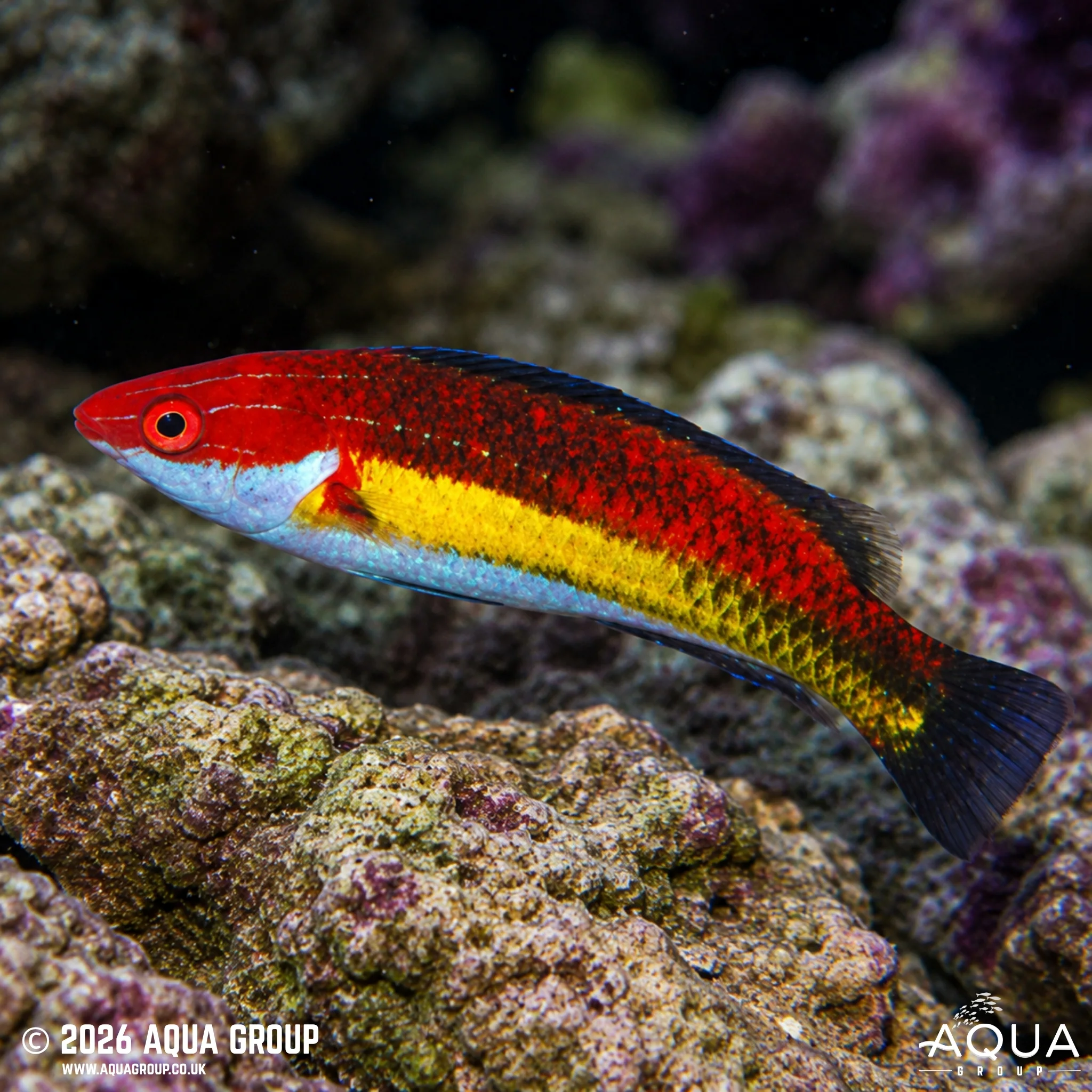
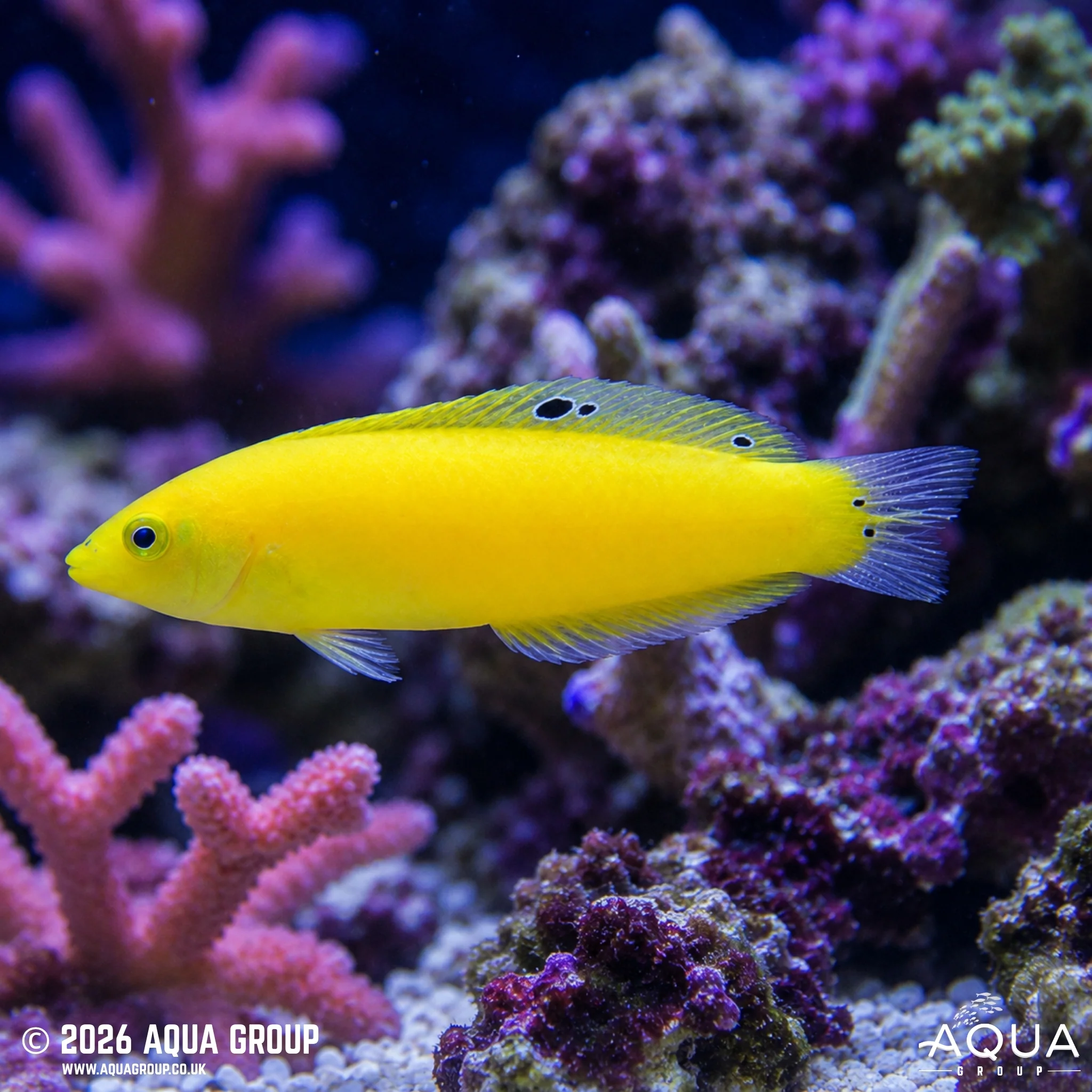
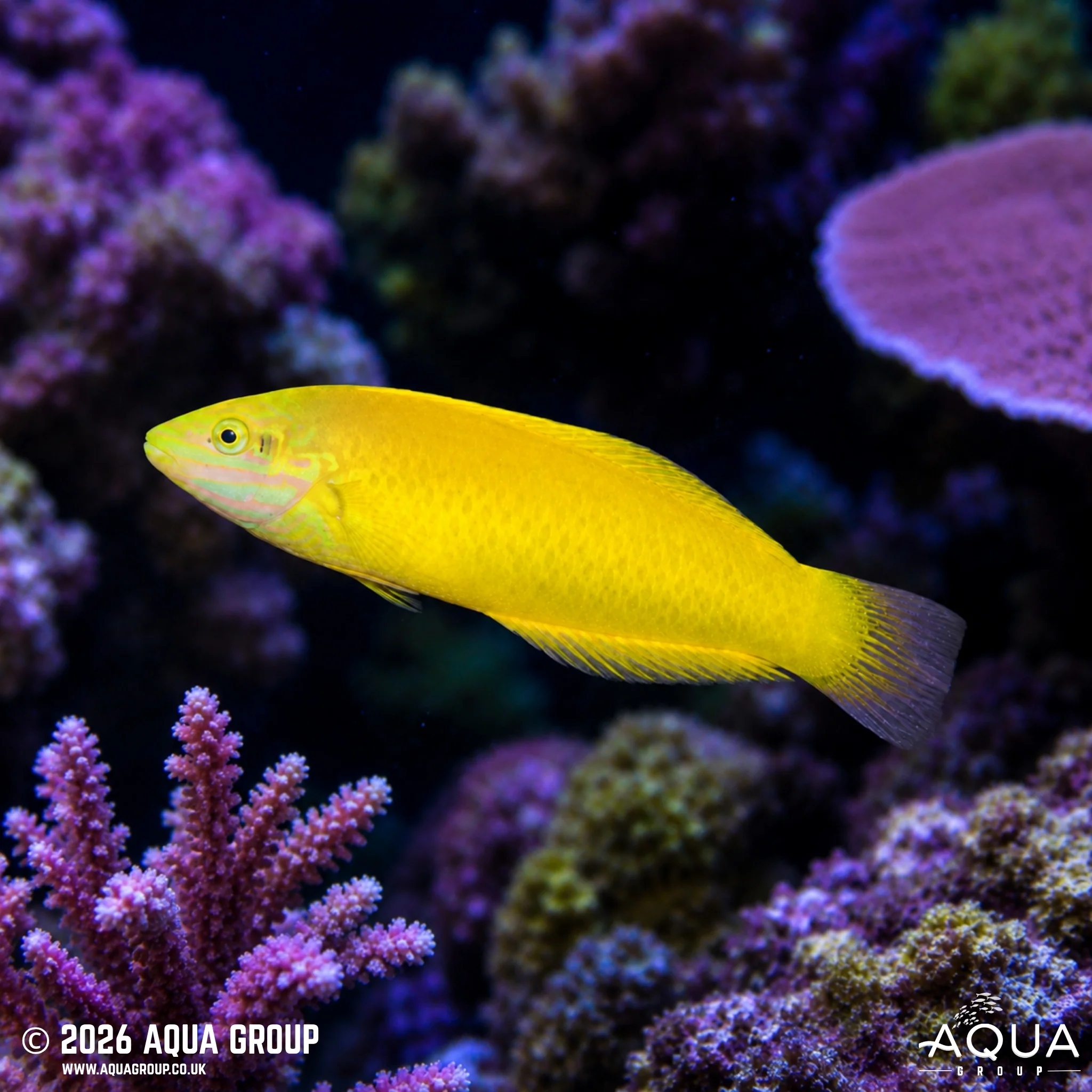
The Twospot Maori Wrasse, Oxycheilinus bimaculatus, is a colourful and unusual marine wrasse with variable red, green, yellow and mottled patterning, often with distinctive spotting and strong sex-related colour differences. Also known as the Two-spot Wrasse, Little Maori Wrasse or Twospot Maori Wrasse, this Indo-Pacific species is smaller than many other Maori wrasses, but it is still an active predatory wrasse rather than a peaceful nano reef fish. It is best suited to mature fish-only or robust marine aquariums with sand, live rock and carefully chosen tank mates.
Common Name:
Twospot Maori Wrasse, Two-spot Maori Wrasse, Two-spot Wrasse, Little Maori Wrasse, Little Maori.
Scientific Name (Latin):
Oxycheilinus bimaculatus
Formerly listed as Cheilinus bimaculatus.
Maximum Size:
Usually around 15 cm, with some sources giving up to approximately 17 cm for large males.
Water Type:
Marine
Origin / Natural Habitat:
Indo-Pacific reef regions, including Australia and many tropical western Pacific areas. Naturally found on outer reef slopes, deep clear lagoons, rubble zones, algae-covered seabeds, seagrass beds and sometimes sheltered estuaries or harbours. It is associated with sand, rubble, algae and reef structure, where it forages for small benthic prey.
Water Parameters:
Temperature: 24–27°C
pH Range: 8.1–8.4
Hardness or Salinity: SG 1.020–1.025
Temperament:
Semi-aggressive. It may be manageable with robust peaceful to moderately assertive marine fish, but can become territorial and may harass timid tank mates, smaller wrasses or newly introduced fish. It should not be kept with tiny gobies, dartfish or delicate species that may be bullied or viewed as prey.
Diet:
Carnivorous predator and invertebrate hunter. In the aquarium, offer a varied diet of frozen mysis, enriched brineshrimp, krill, chopped clam, mussel, prawn, squid, marine fish flesh and quality marine carnivore pellets. It may eat small crustaceans, molluscs, worms, snails, shrimps, crabs, small urchins and other benthic invertebrates, so meaty feeding and careful stocking are important.
Minimum Tank Size:
A minimum of 400 litres is recommended for a single specimen, with larger aquariums preferred for long-term care or if keeping with other active wrasses. Provide open swimming room, mature live rock, caves, rubble and a soft sandy substrate.
Behaviour & Activity:
An active, inquisitive wrasse that spends much of its time exploring rockwork, rubble and sandy areas while searching for prey. It may rearrange sand and small rubble while foraging, and it uses structure for shelter and security. Like many wrasses, it can jump when startled, so a tight-fitting lid or mesh cover is strongly recommended.
Reef Safe:
Reef Safe with Caution
Generally safe with corals in the sense that it is not a dedicated coral grazer, but it is not safe with many ornamental invertebrates. It may eat or harass shrimps, crabs, snails, tube worms, small sea stars, small urchins, cucumbers and other small benthic animals. Best suited to fish-only-with-live-rock systems or robust reef aquariums where invertebrate losses are an accepted risk.
Special Requirements or Care Notes:
Best kept as a single specimen unless the aquarium is very large and carefully planned. Provide mature rockwork, hiding places, soft sand and strong filtration. Avoid ornamental shrimps and small clean-up crew animals if they are valued. Add with care to peaceful communities, as removal can be difficult once established. Colour and markings can vary strongly with sex, maturity and mood, and exact identification should be checked because Maori wrasses can be confused in the trade.
Suitable for:
Experienced fishkeepers
Availability:
Rare or occasional in trade
All images are a visual representation of the fish you will receive, made to be as accurate as possible. Please note that Mother Nature is a wonderful thing, and variation in patterns and colours will occur — that is part of the unique beauty of these animals.
Description
Twospot Maori Wrasse (Oxycheilinus bimaculatus)
The Twospot Maori Wrasse, Oxycheilinus bimaculatus, is a colourful and unusual marine wrasse with variable red, green, yellow and mottled patterning, often with distinctive spotting and strong sex-related colour differences. Also known as the Two-spot Wrasse, Little Maori Wrasse or Twospot Maori Wrasse, this Indo-Pacific species is smaller than many other Maori wrasses, but it is still an active predatory wrasse rather than a peaceful nano reef fish. It is best suited to mature fish-only or robust marine aquariums with sand, live rock and carefully chosen tank mates.
Common Name:
Twospot Maori Wrasse, Two-spot Maori Wrasse, Two-spot Wrasse, Little Maori Wrasse, Little Maori.
Scientific Name (Latin):
Oxycheilinus bimaculatus
Formerly listed as Cheilinus bimaculatus.
Maximum Size:
Usually around 15 cm, with some sources giving up to approximately 17 cm for large males.
Water Type:
Marine
Origin / Natural Habitat:
Indo-Pacific reef regions, including Australia and many tropical western Pacific areas. Naturally found on outer reef slopes, deep clear lagoons, rubble zones, algae-covered seabeds, seagrass beds and sometimes sheltered estuaries or harbours. It is associated with sand, rubble, algae and reef structure, where it forages for small benthic prey.
Water Parameters:
Temperature: 24–27°C
pH Range: 8.1–8.4
Hardness or Salinity: SG 1.020–1.025
Temperament:
Semi-aggressive. It may be manageable with robust peaceful to moderately assertive marine fish, but can become territorial and may harass timid tank mates, smaller wrasses or newly introduced fish. It should not be kept with tiny gobies, dartfish or delicate species that may be bullied or viewed as prey.
Diet:
Carnivorous predator and invertebrate hunter. In the aquarium, offer a varied diet of frozen mysis, enriched brineshrimp, krill, chopped clam, mussel, prawn, squid, marine fish flesh and quality marine carnivore pellets. It may eat small crustaceans, molluscs, worms, snails, shrimps, crabs, small urchins and other benthic invertebrates, so meaty feeding and careful stocking are important.
Minimum Tank Size:
A minimum of 400 litres is recommended for a single specimen, with larger aquariums preferred for long-term care or if keeping with other active wrasses. Provide open swimming room, mature live rock, caves, rubble and a soft sandy substrate.
Behaviour & Activity:
An active, inquisitive wrasse that spends much of its time exploring rockwork, rubble and sandy areas while searching for prey. It may rearrange sand and small rubble while foraging, and it uses structure for shelter and security. Like many wrasses, it can jump when startled, so a tight-fitting lid or mesh cover is strongly recommended.
Reef Safe:
Reef Safe with Caution
Generally safe with corals in the sense that it is not a dedicated coral grazer, but it is not safe with many ornamental invertebrates. It may eat or harass shrimps, crabs, snails, tube worms, small sea stars, small urchins, cucumbers and other small benthic animals. Best suited to fish-only-with-live-rock systems or robust reef aquariums where invertebrate losses are an accepted risk.
Special Requirements or Care Notes:
Best kept as a single specimen unless the aquarium is very large and carefully planned. Provide mature rockwork, hiding places, soft sand and strong filtration. Avoid ornamental shrimps and small clean-up crew animals if they are valued. Add with care to peaceful communities, as removal can be difficult once established. Colour and markings can vary strongly with sex, maturity and mood, and exact identification should be checked because Maori wrasses can be confused in the trade.
Suitable for:
Experienced fishkeepers
Availability:
Rare or occasional in trade
All images are a visual representation of the fish you will receive, made to be as accurate as possible. Please note that Mother Nature is a wonderful thing, and variation in patterns and colours will occur — that is part of the unique beauty of these animals.