Original: $37.59
-65%$37.59
$13.16The Story
Whip-fin Fairy Wrasse (Cirrhilabrus filamentosus)
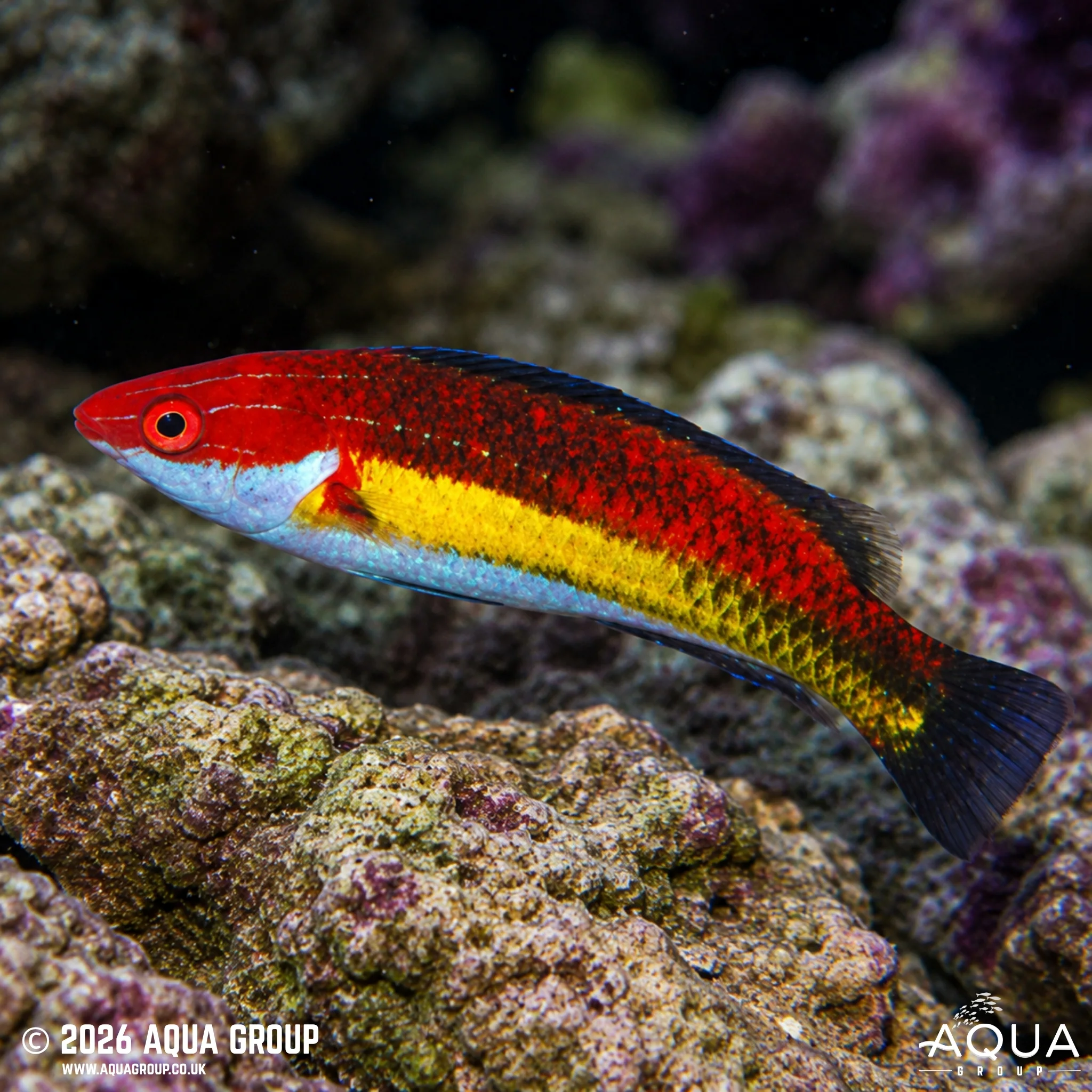
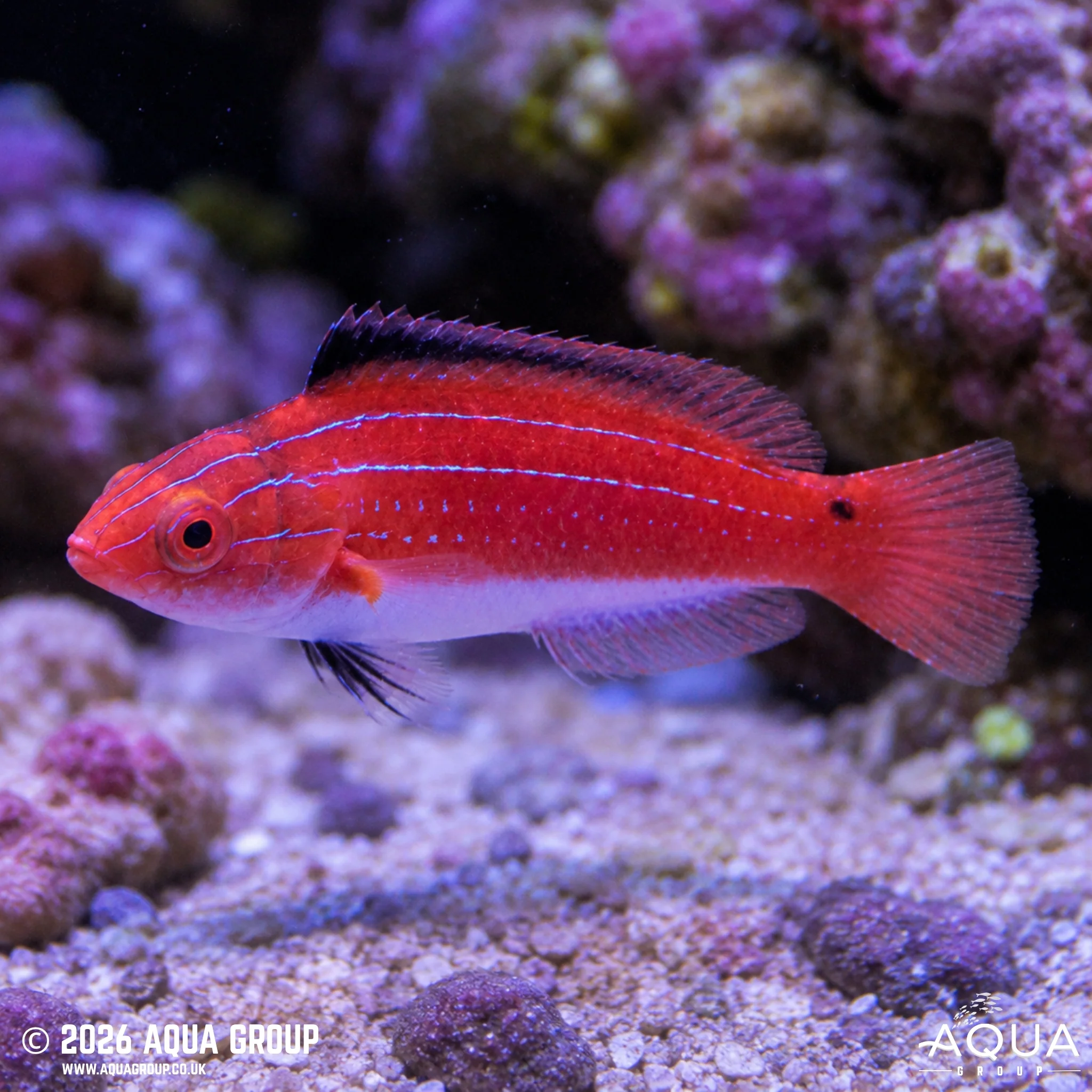
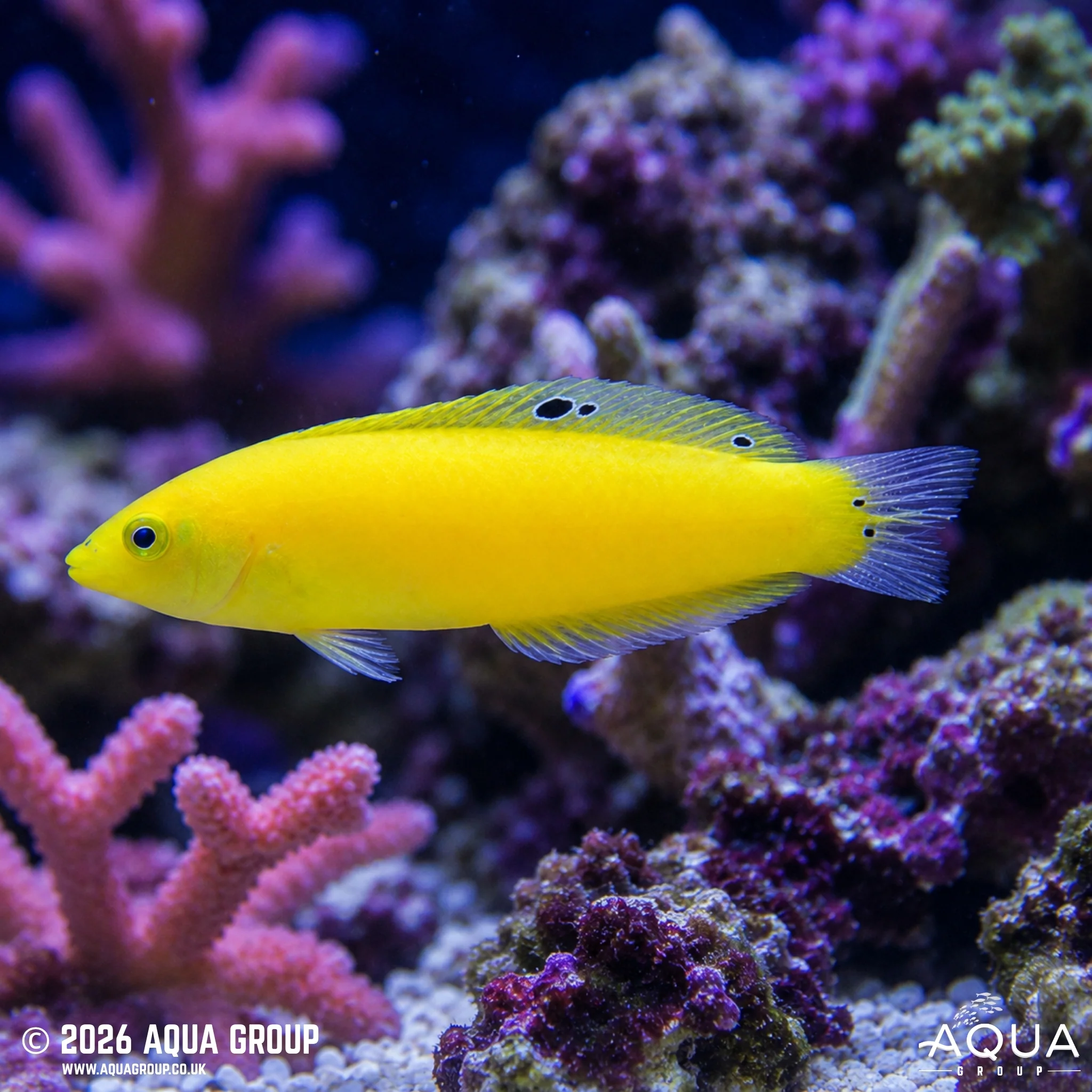
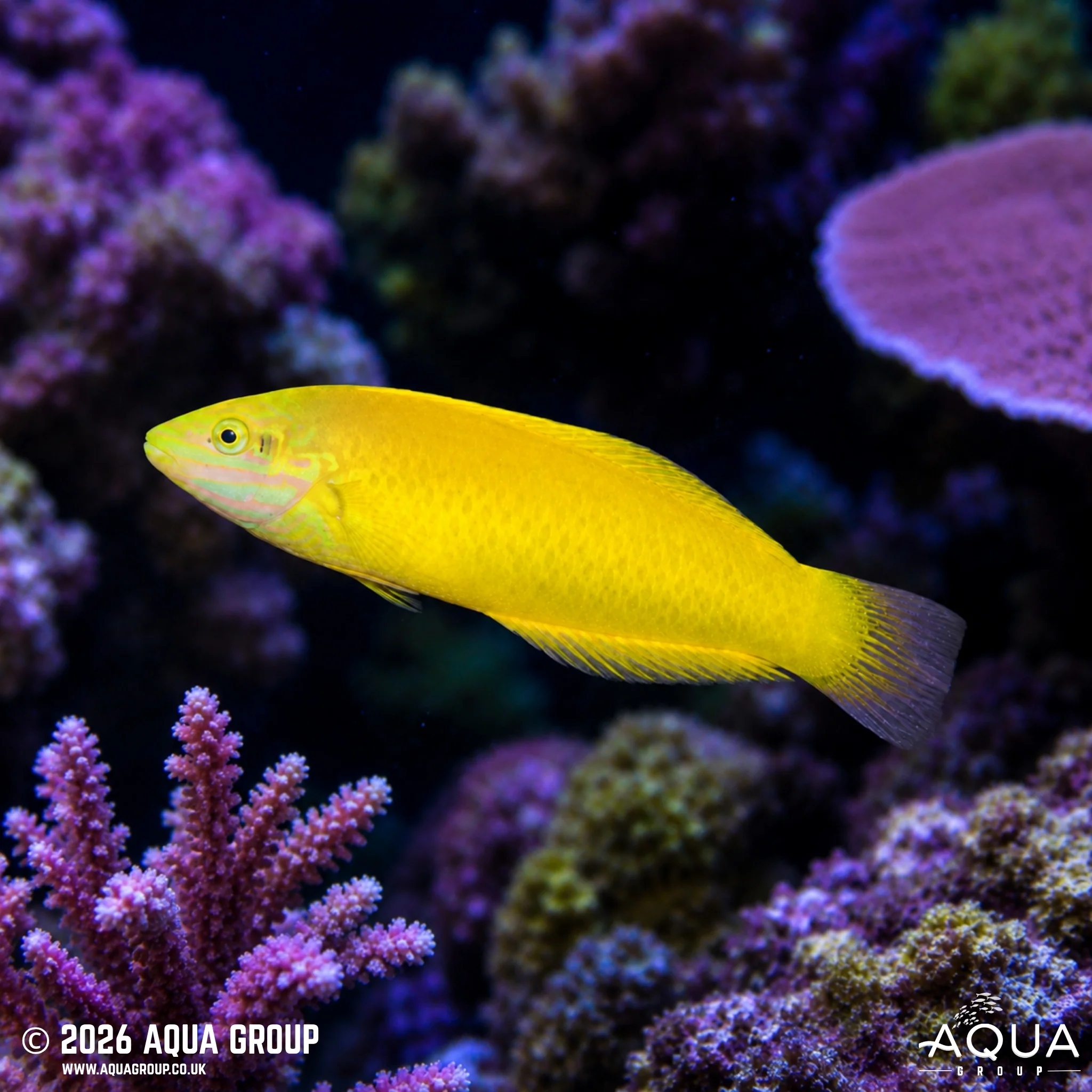
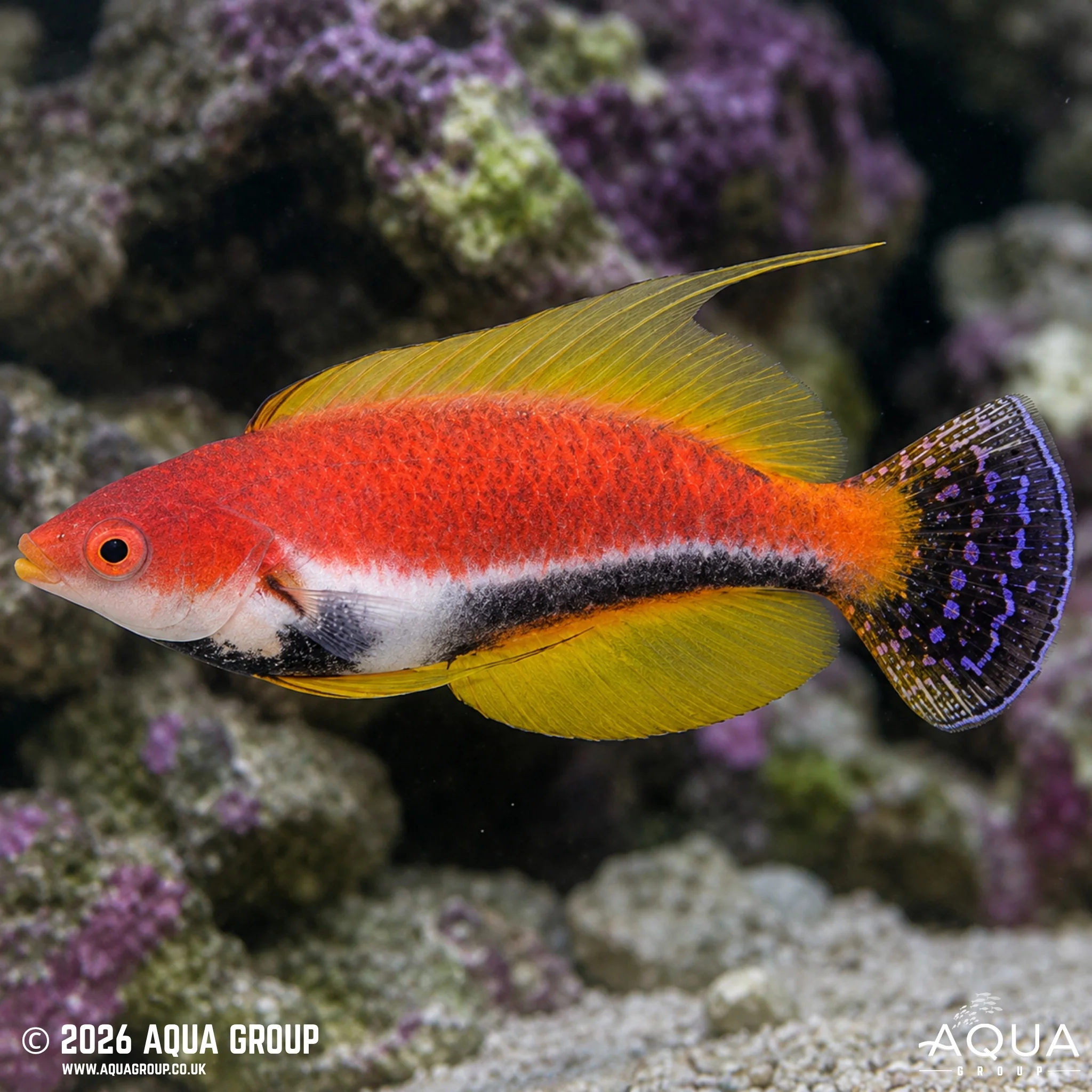
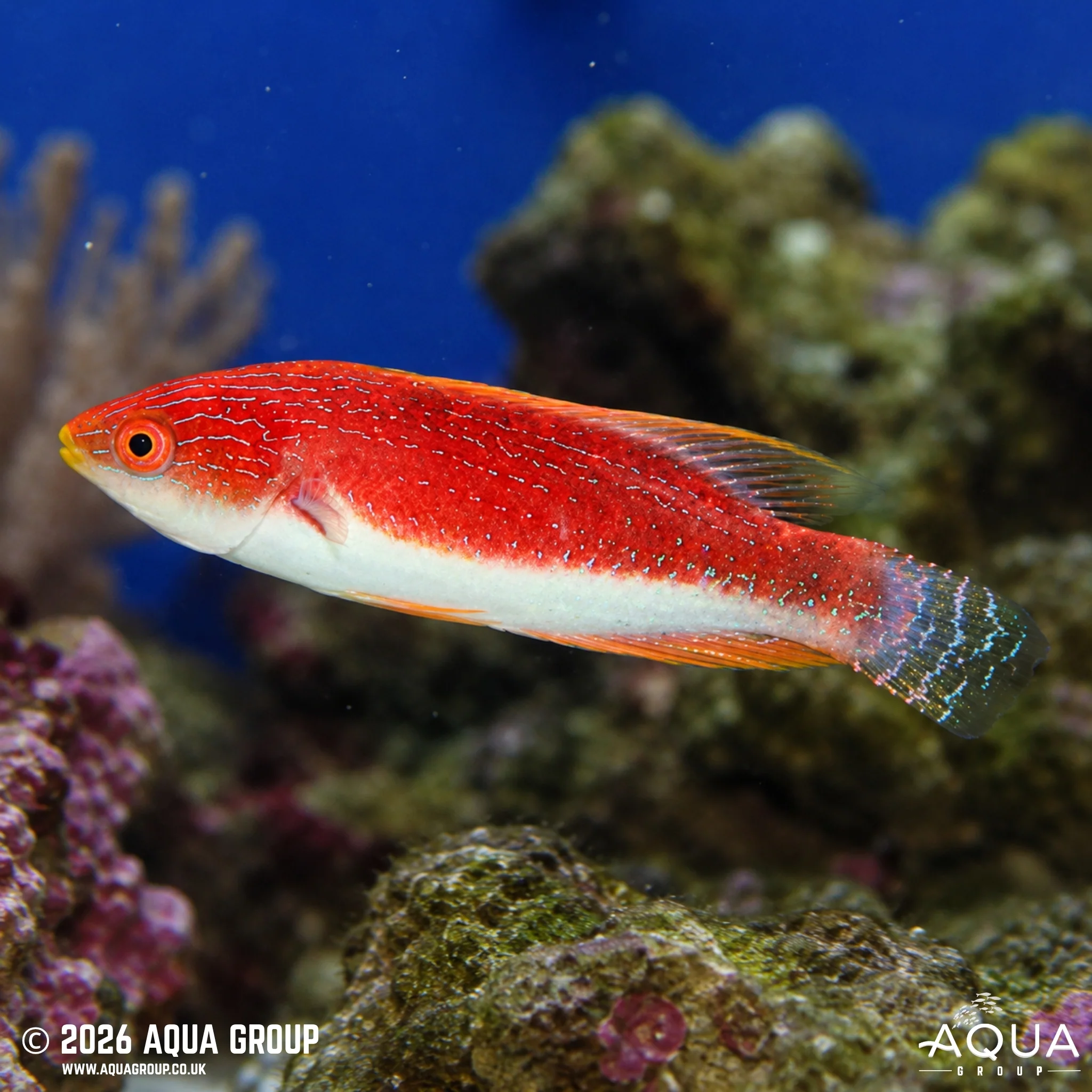
The Whip-fin Fairy Wrasse, Cirrhilabrus filamentosus, is a colourful, active reef-safe wrasse known for the male’s extended whip-like dorsal filament and vivid display colours. Also known as the Whipfin Wrasse, Whip-fin Wrasse or Javan Fairy Wrasse, this Indonesian species is an energetic mid-water swimmer that brings movement and colour to peaceful reef aquariums. It is coral safe and generally hardy once settled, but males can be assertive towards other fairy wrasses, so careful tank mate selection and a secure lid are essential.
Common Name:
Whip-fin Fairy Wrasse, Whipfin Fairy Wrasse, Whip-fin Wrasse, Whipfin Wrasse, Javan Fairy Wrasse, Filamented Fairy Wrasse.
Scientific Name (Latin):
Cirrhilabrus filamentosus
Maximum Size:
Up to around 8 cm.
Water Type:
Marine
Origin / Natural Habitat:
Indonesia, particularly the Java Sea region. Naturally found around deep coastal reef slopes, muddy reef slopes, shallow muddy estuary-influenced habitats and areas where groups feed above the substrate. It is usually seen in small groups of juveniles and females with a dominant male, sometimes mixing with other Cirrhilabrus and Paracheilinus wrasses while feeding on zooplankton.
Water Parameters:
Temperature: 24–27°C
pH Range: 8.1–8.4
Hardness or Salinity: SG 1.020–1.025
Temperament:
Peaceful to semi-assertive. Generally suitable for reef aquariums with calm to moderately active tank mates, but males can be one of the more assertive Cirrhilabrus wrasses, especially towards other fairy wrasses, flasher wrasses or similarly shaped fish. Avoid aggressive fish that may bully it, and avoid mixing multiple similar males in smaller aquariums.
Diet:
Planktivorous carnivore. In the wild, it feeds above the substrate on zooplankton and small drifting prey. In the aquarium, offer frozen mysis, enriched brineshrimp, copepods, cyclops, calanus, finely chopped krill, quality marine pellets and other small meaty foods. Small regular feeds help maintain colour, body condition and natural activity.
Minimum Tank Size:
A minimum of 200 litres is recommended for a single specimen, with larger aquariums preferred if keeping multiple wrasses or a busy reef community. Provide open swimming space as well as mature rockwork with crevices and sleeping retreats.
Behaviour & Activity:
An active daytime swimmer that spends much of its time moving through the water column above rockwork, rubble or reef structure. Males may intensify their colours quickly when displaying, especially around females or rival wrasses. Unlike sand-burying wrasses, fairy wrasses usually sleep in rockwork, caves or mucus cocoons rather than burying in the sand. A tight-fitting lid or mesh cover is essential, as this species is a strong jumper when startled.
Reef Safe:
Reef Safe
Safe with corals and most ornamental invertebrates. It does not nip corals and is well suited to reef aquariums with suitable tank mates. Very tiny planktonic crustaceans may be eaten as part of its natural diet, but it is generally compatible with snails, hermit crabs, cleaner shrimps and typical reef invertebrates.
Special Requirements or Care Notes:
A secure lid is essential. Provide open swimming room, good oxygenation, stable water quality and plenty of rockwork retreats. If mixing with other fairy or flasher wrasses, introduce carefully and avoid similar males unless the aquarium is large with multiple territory breaks. Males may lose intensity of colour if stressed, underfed or kept without display stimulus. Feed regularly and avoid highly aggressive tank mates such as large dottybacks, predatory wrasses, hawkfish or bullying damsels.
Suitable for:
Intermediate fishkeepers
Availability:
Occasional in trade
All images are a visual representation of the fish you will receive, made to be as accurate as possible. Please note that Mother Nature is a wonderful thing, and variation in patterns and colours will occur — that is part of the unique beauty of these animals.
Details & Craftsmanship
Every detail has been carefully considered to bring you the perfect product.
Description
Whip-fin Fairy Wrasse (Cirrhilabrus filamentosus)
The Whip-fin Fairy Wrasse, Cirrhilabrus filamentosus, is a colourful, active reef-safe wrasse known for the male’s extended whip-like dorsal filament and vivid display colours. Also known as the Whipfin Wrasse, Whip-fin Wrasse or Javan Fairy Wrasse, this Indonesian species is an energetic mid-water swimmer that brings movement and colour to peaceful reef aquariums. It is coral safe and generally hardy once settled, but males can be assertive towards other fairy wrasses, so careful tank mate selection and a secure lid are essential.
Common Name:
Whip-fin Fairy Wrasse, Whipfin Fairy Wrasse, Whip-fin Wrasse, Whipfin Wrasse, Javan Fairy Wrasse, Filamented Fairy Wrasse.
Scientific Name (Latin):
Cirrhilabrus filamentosus
Maximum Size:
Up to around 8 cm.
Water Type:
Marine
Origin / Natural Habitat:
Indonesia, particularly the Java Sea region. Naturally found around deep coastal reef slopes, muddy reef slopes, shallow muddy estuary-influenced habitats and areas where groups feed above the substrate. It is usually seen in small groups of juveniles and females with a dominant male, sometimes mixing with other Cirrhilabrus and Paracheilinus wrasses while feeding on zooplankton.
Water Parameters:
Temperature: 24–27°C
pH Range: 8.1–8.4
Hardness or Salinity: SG 1.020–1.025
Temperament:
Peaceful to semi-assertive. Generally suitable for reef aquariums with calm to moderately active tank mates, but males can be one of the more assertive Cirrhilabrus wrasses, especially towards other fairy wrasses, flasher wrasses or similarly shaped fish. Avoid aggressive fish that may bully it, and avoid mixing multiple similar males in smaller aquariums.
Diet:
Planktivorous carnivore. In the wild, it feeds above the substrate on zooplankton and small drifting prey. In the aquarium, offer frozen mysis, enriched brineshrimp, copepods, cyclops, calanus, finely chopped krill, quality marine pellets and other small meaty foods. Small regular feeds help maintain colour, body condition and natural activity.
Minimum Tank Size:
A minimum of 200 litres is recommended for a single specimen, with larger aquariums preferred if keeping multiple wrasses or a busy reef community. Provide open swimming space as well as mature rockwork with crevices and sleeping retreats.
Behaviour & Activity:
An active daytime swimmer that spends much of its time moving through the water column above rockwork, rubble or reef structure. Males may intensify their colours quickly when displaying, especially around females or rival wrasses. Unlike sand-burying wrasses, fairy wrasses usually sleep in rockwork, caves or mucus cocoons rather than burying in the sand. A tight-fitting lid or mesh cover is essential, as this species is a strong jumper when startled.
Reef Safe:
Reef Safe
Safe with corals and most ornamental invertebrates. It does not nip corals and is well suited to reef aquariums with suitable tank mates. Very tiny planktonic crustaceans may be eaten as part of its natural diet, but it is generally compatible with snails, hermit crabs, cleaner shrimps and typical reef invertebrates.
Special Requirements or Care Notes:
A secure lid is essential. Provide open swimming room, good oxygenation, stable water quality and plenty of rockwork retreats. If mixing with other fairy or flasher wrasses, introduce carefully and avoid similar males unless the aquarium is large with multiple territory breaks. Males may lose intensity of colour if stressed, underfed or kept without display stimulus. Feed regularly and avoid highly aggressive tank mates such as large dottybacks, predatory wrasses, hawkfish or bullying damsels.
Suitable for:
Intermediate fishkeepers
Availability:
Occasional in trade
All images are a visual representation of the fish you will receive, made to be as accurate as possible. Please note that Mother Nature is a wonderful thing, and variation in patterns and colours will occur — that is part of the unique beauty of these animals.