Original: $46.99
-65%$46.99
$16.45The Story
Zebra Lionfish (Dendrochirus zebra)
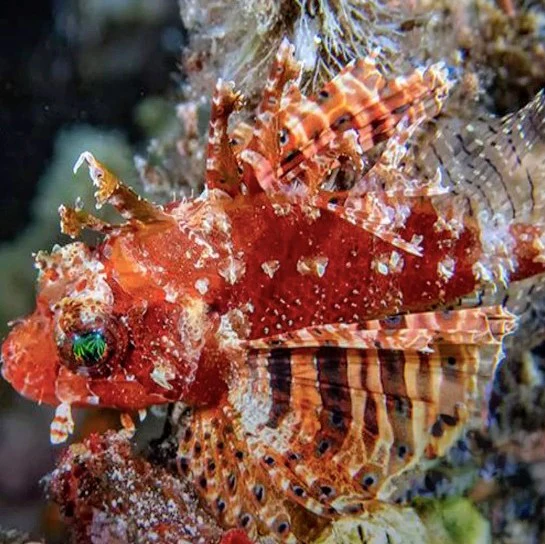
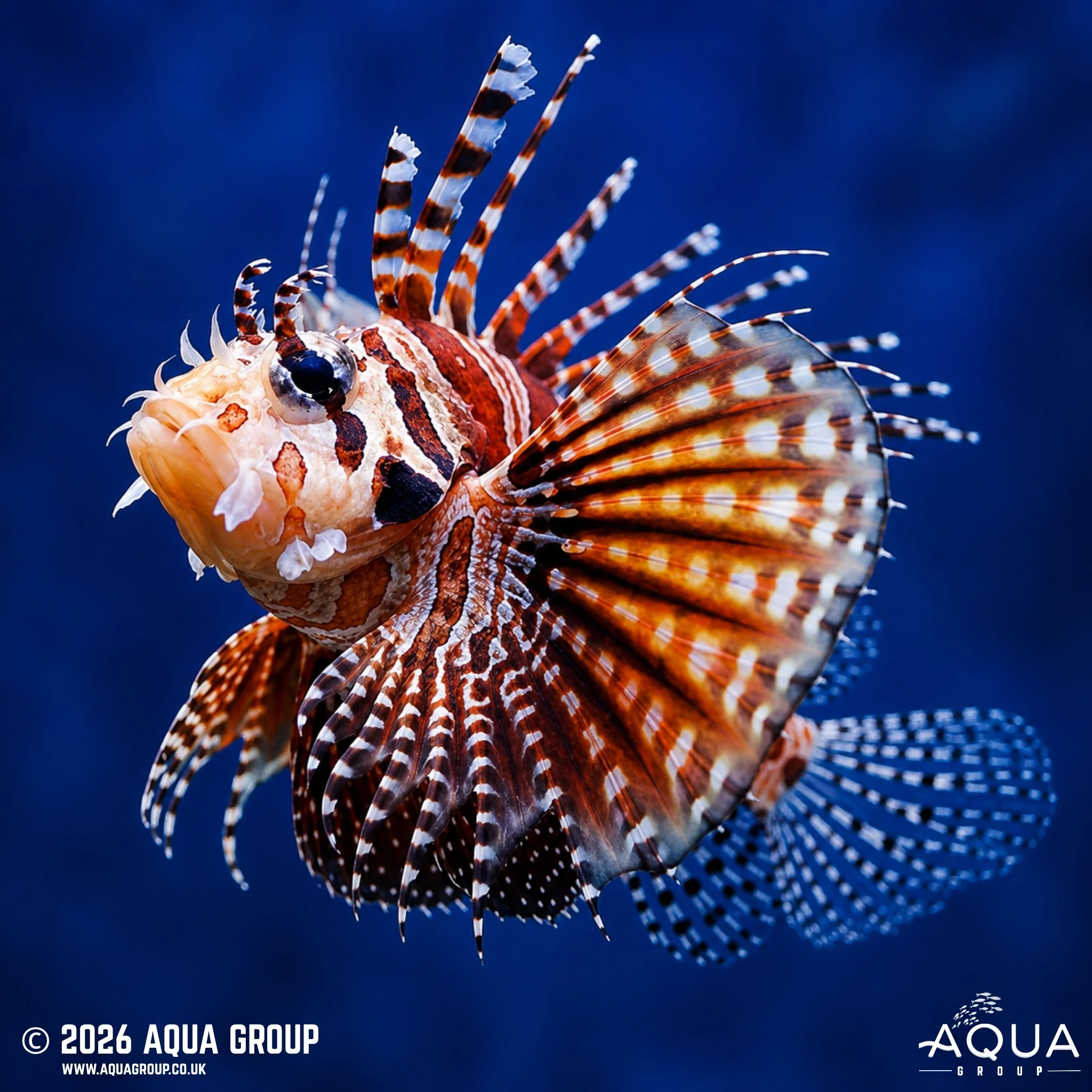
The Zebra Lionfish, Dendrochirus zebra, is a striking dwarf lionfish with bold banding, broad fan-like pectoral fins and a cryptic, predatory presence. Also known as the Zebra Turkeyfish or Dwarf Zebra Lionfish, this Indo-Pacific scorpionfish is a fascinating choice for specialist marine aquariums. It is hardy once settled and generally calm towards fish too large to swallow, but it is venomous, predatory and unsuitable for peaceful community reefs with small fish or ornamental shrimps.
Common Name:
Zebra Lionfish, Zebra Turkeyfish, Dwarf Zebra Lionfish, Zebra Dwarf Lionfish.
Scientific Name (Latin):
Dendrochirus zebra
Maximum Size:
Up to around 25 cm in the wild, though some regional references report smaller typical sizes of around 18 cm.
Water Type:
Marine
Origin / Natural Habitat:
Indo-West Pacific, from the Red Sea and East Africa across to Samoa, north to southern Japan and south to Australia and Lord Howe Island. Naturally found on coral, rubble and rocky bottoms of reef flats, sheltered lagoons, coastal reefs, outer reefs and caves, sometimes in small groups.
Water Parameters:
Temperature: 24–27°C
pH Range: 8.1–8.4
Hardness or Salinity: SG 1.020–1.025
Temperament:
Predatory but usually not highly active or aggressive towards fish it cannot swallow. It will eat small fish, ornamental shrimps and other suitably sized invertebrates. Males may be territorial towards other lionfish, so mixing should only be attempted in large, carefully planned systems.
Diet:
Carnivorous ambush predator. In nature, it feeds on small fish and crustaceans. In the aquarium, offer meaty marine foods such as frozen silversides, lancefish, krill, chopped prawn, mussel, clam, squid and marine fish flesh. Newly imported specimens may prefer live shrimp or live marine foods at first, but should be patiently weaned onto frozen foods using feeding tongs. Avoid freshwater feeder fish, as these are not suitable long-term nutrition.
Minimum Tank Size:
A minimum of 250 litres is recommended for a single specimen, with larger aquariums preferred for long-term care or if housing with other robust fish. Provide caves, shaded ledges, secure rockwork and open resting areas.
Behaviour & Activity:
A slow-moving, sit-and-wait predator that spends much of its time perched on rockwork, near caves or on the substrate, using its banded colouration and expanded pectoral fins for camouflage. It may become more active during feeding periods and lower-light times. It is not a fast competitor, so tank mates should not be so aggressive that they prevent it from feeding.
Reef Safe:
Reef Safe with Caution
Generally safe with corals, as it does not graze coral tissue. The caution is because it will eat small fish, shrimps, crabs and other animals that fit into its mouth. It is best suited to fish-only-with-live-rock systems or carefully planned predator reefs with no small ornamental livestock at risk.
Special Requirements or Care Notes:
Zebra Lionfish have venomous dorsal, anal and pelvic fin spines that can cause a very painful sting. Never handle by hand, and use rigid containers rather than soft nets where possible. Take care when cleaning the aquarium or moving rockwork, as the fish may remain motionless and well camouflaged. Keep only with tank mates too large to swallow and calm enough not to harass it. Feed varied marine foods, avoid overfeeding, and maintain strong filtration because predator diets can increase waste.
Suitable for:
Experienced fishkeepers
Availability:
Occasional in trade
All images are a visual representation of the fish you will receive, made to be as accurate as possible. Please note that Mother Nature is a wonderful thing, and variation in patterns and colours will occur — that is part of the unique beauty of these animals.
Description
Zebra Lionfish (Dendrochirus zebra)
The Zebra Lionfish, Dendrochirus zebra, is a striking dwarf lionfish with bold banding, broad fan-like pectoral fins and a cryptic, predatory presence. Also known as the Zebra Turkeyfish or Dwarf Zebra Lionfish, this Indo-Pacific scorpionfish is a fascinating choice for specialist marine aquariums. It is hardy once settled and generally calm towards fish too large to swallow, but it is venomous, predatory and unsuitable for peaceful community reefs with small fish or ornamental shrimps.
Common Name:
Zebra Lionfish, Zebra Turkeyfish, Dwarf Zebra Lionfish, Zebra Dwarf Lionfish.
Scientific Name (Latin):
Dendrochirus zebra
Maximum Size:
Up to around 25 cm in the wild, though some regional references report smaller typical sizes of around 18 cm.
Water Type:
Marine
Origin / Natural Habitat:
Indo-West Pacific, from the Red Sea and East Africa across to Samoa, north to southern Japan and south to Australia and Lord Howe Island. Naturally found on coral, rubble and rocky bottoms of reef flats, sheltered lagoons, coastal reefs, outer reefs and caves, sometimes in small groups.
Water Parameters:
Temperature: 24–27°C
pH Range: 8.1–8.4
Hardness or Salinity: SG 1.020–1.025
Temperament:
Predatory but usually not highly active or aggressive towards fish it cannot swallow. It will eat small fish, ornamental shrimps and other suitably sized invertebrates. Males may be territorial towards other lionfish, so mixing should only be attempted in large, carefully planned systems.
Diet:
Carnivorous ambush predator. In nature, it feeds on small fish and crustaceans. In the aquarium, offer meaty marine foods such as frozen silversides, lancefish, krill, chopped prawn, mussel, clam, squid and marine fish flesh. Newly imported specimens may prefer live shrimp or live marine foods at first, but should be patiently weaned onto frozen foods using feeding tongs. Avoid freshwater feeder fish, as these are not suitable long-term nutrition.
Minimum Tank Size:
A minimum of 250 litres is recommended for a single specimen, with larger aquariums preferred for long-term care or if housing with other robust fish. Provide caves, shaded ledges, secure rockwork and open resting areas.
Behaviour & Activity:
A slow-moving, sit-and-wait predator that spends much of its time perched on rockwork, near caves or on the substrate, using its banded colouration and expanded pectoral fins for camouflage. It may become more active during feeding periods and lower-light times. It is not a fast competitor, so tank mates should not be so aggressive that they prevent it from feeding.
Reef Safe:
Reef Safe with Caution
Generally safe with corals, as it does not graze coral tissue. The caution is because it will eat small fish, shrimps, crabs and other animals that fit into its mouth. It is best suited to fish-only-with-live-rock systems or carefully planned predator reefs with no small ornamental livestock at risk.
Special Requirements or Care Notes:
Zebra Lionfish have venomous dorsal, anal and pelvic fin spines that can cause a very painful sting. Never handle by hand, and use rigid containers rather than soft nets where possible. Take care when cleaning the aquarium or moving rockwork, as the fish may remain motionless and well camouflaged. Keep only with tank mates too large to swallow and calm enough not to harass it. Feed varied marine foods, avoid overfeeding, and maintain strong filtration because predator diets can increase waste.
Suitable for:
Experienced fishkeepers
Availability:
Occasional in trade
All images are a visual representation of the fish you will receive, made to be as accurate as possible. Please note that Mother Nature is a wonderful thing, and variation in patterns and colours will occur — that is part of the unique beauty of these animals.