Original: $119.48
-65%$119.48
$41.82The Story
Peacock Mantis Shrimp (Odontodactylus scyllarus)
The Peacock Mantis Shrimp, Odontodactylus scyllarus, is one of the most spectacular marine invertebrates available, known for its vivid green, blue, orange and red colouration, powerful raptorial “smashing” claws and highly intelligent behaviour. Also known as the Harlequin Mantis Shrimp, Painted Mantis Shrimp, Clown Mantis Shrimp or Rainbow Mantis Shrimp, this Indo-Pacific stomatopod is a fascinating display animal for a dedicated species aquarium. It is not suitable for normal reef community tanks, as it is a strong predator capable of killing fish, crabs, snails and other invertebrates.
Common Name:
Peacock Mantis Shrimp, Harlequin Mantis Shrimp, Painted Mantis Shrimp, Clown Mantis Shrimp, Rainbow Mantis Shrimp, Peacock Stomatopod, Peacock Odontodactyl.
Scientific Name (Latin):
Odontodactylus scyllarus
Maximum Size:
Usually around 12–18 cm, with larger adult specimens reaching approximately 18 cm.
Water Type:
Marine
Origin / Natural Habitat:
Indo-Pacific, from East Africa and the Indian Ocean across to the western Pacific, including reef regions around Indonesia, the Philippines, northern Australia and island reef systems. Naturally found on coral reefs, reef flats, rubble zones and burrows within sand, coral rubble or live rock, where it uses a secure den as a base for hunting and defence.
Water Parameters:
Temperature: 24–27°C
pH Range: 8.1–8.4
Hardness or Salinity: SG 1.023–1.025
Temperament:
Predatory, territorial and best kept alone. It is highly interactive and intelligent, but it will attack and eat many fish, shrimps, crabs, snails and other invertebrates. It should not be added to a peaceful reef or mixed community aquarium.
Diet:
Carnivorous predator. In the aquarium, offer a varied diet of marine meaty foods such as pieces of prawn, mussel, clam, cockle, squid, krill and marine fish flesh. Hard-shelled foods such as marine snails, small crabs or shell-on seafood can help provide natural feeding enrichment and wear the raptorial appendages appropriately. Feed measured portions and remove uneaten food to protect water quality.
Minimum Tank Size:
A minimum of 120 litres is recommended for a single specimen, with 150 litres or more preferred for an adult. Use a strong, well-covered aquarium with secure rockwork, stable water quality and no delicate tank mates.
Behaviour & Activity:
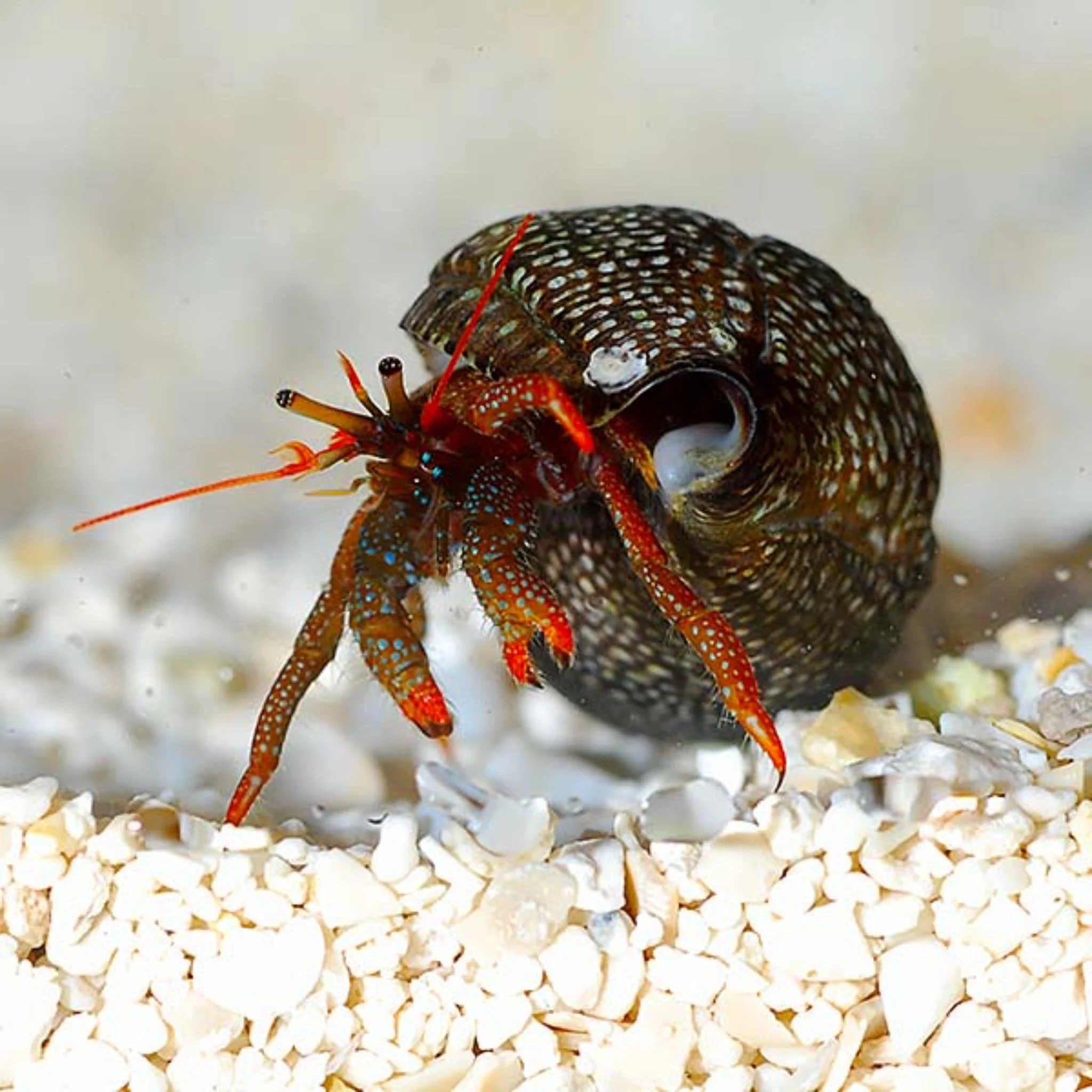
A highly alert, burrow-dwelling predator that spends much of its time watching from a chosen cave or tunnel, then emerging to explore, rearrange rubble and hunt. It uses powerful club-like appendages to smash hard-shelled prey and defend its territory. Provide a secure den, rubble pieces and enough space for natural movement. It may dig, move small rocks and modify its shelter.
Reef Safe:
Not Reef Safe
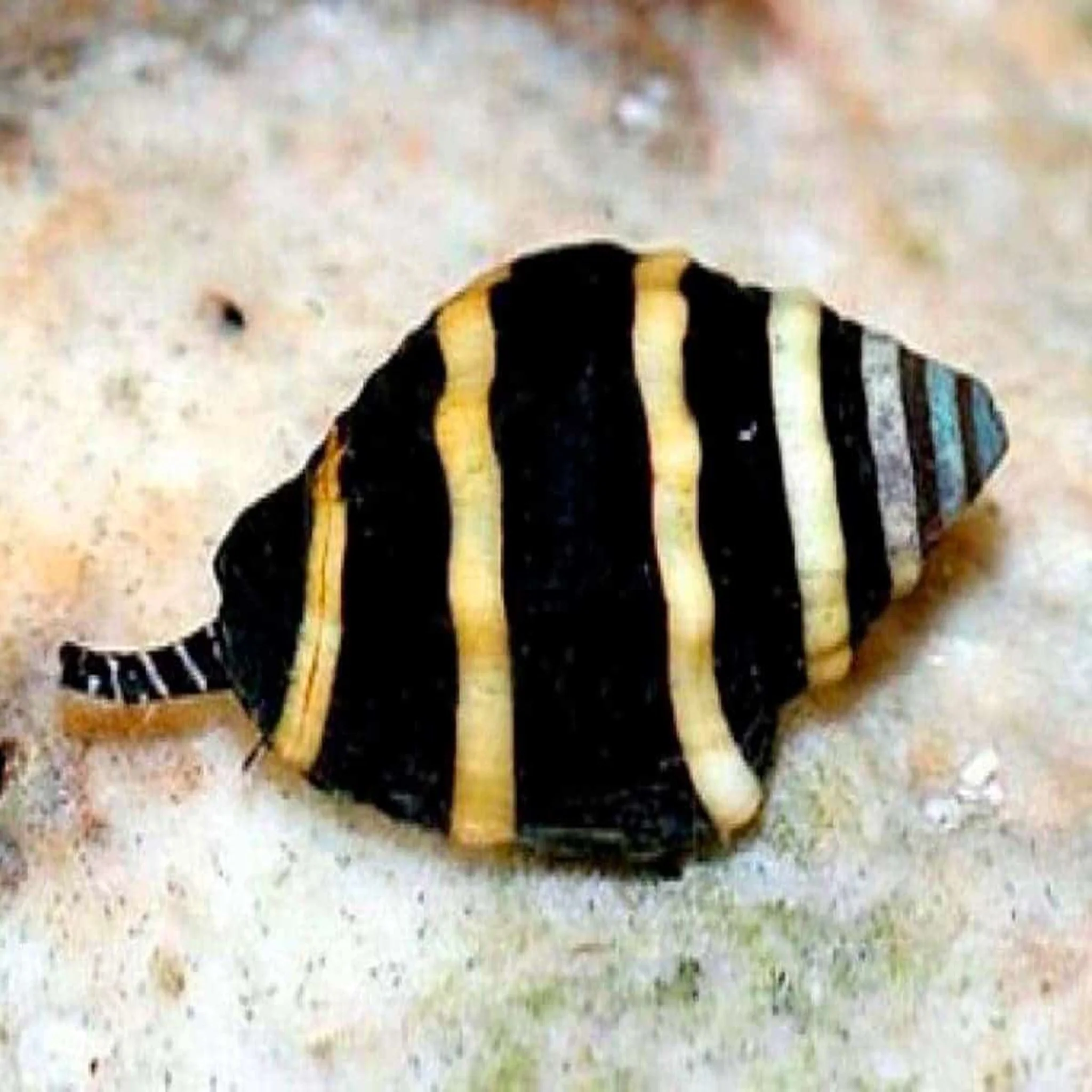
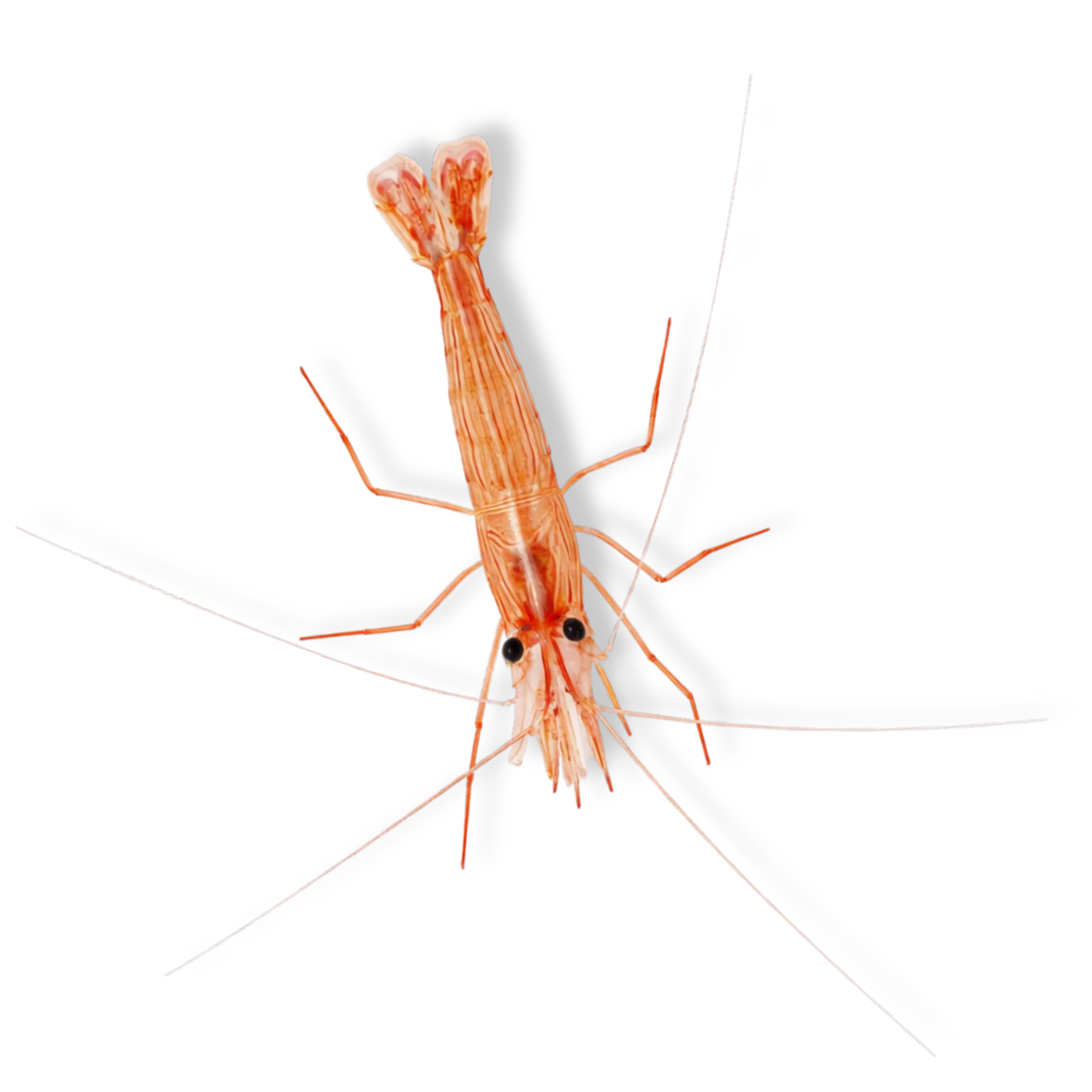
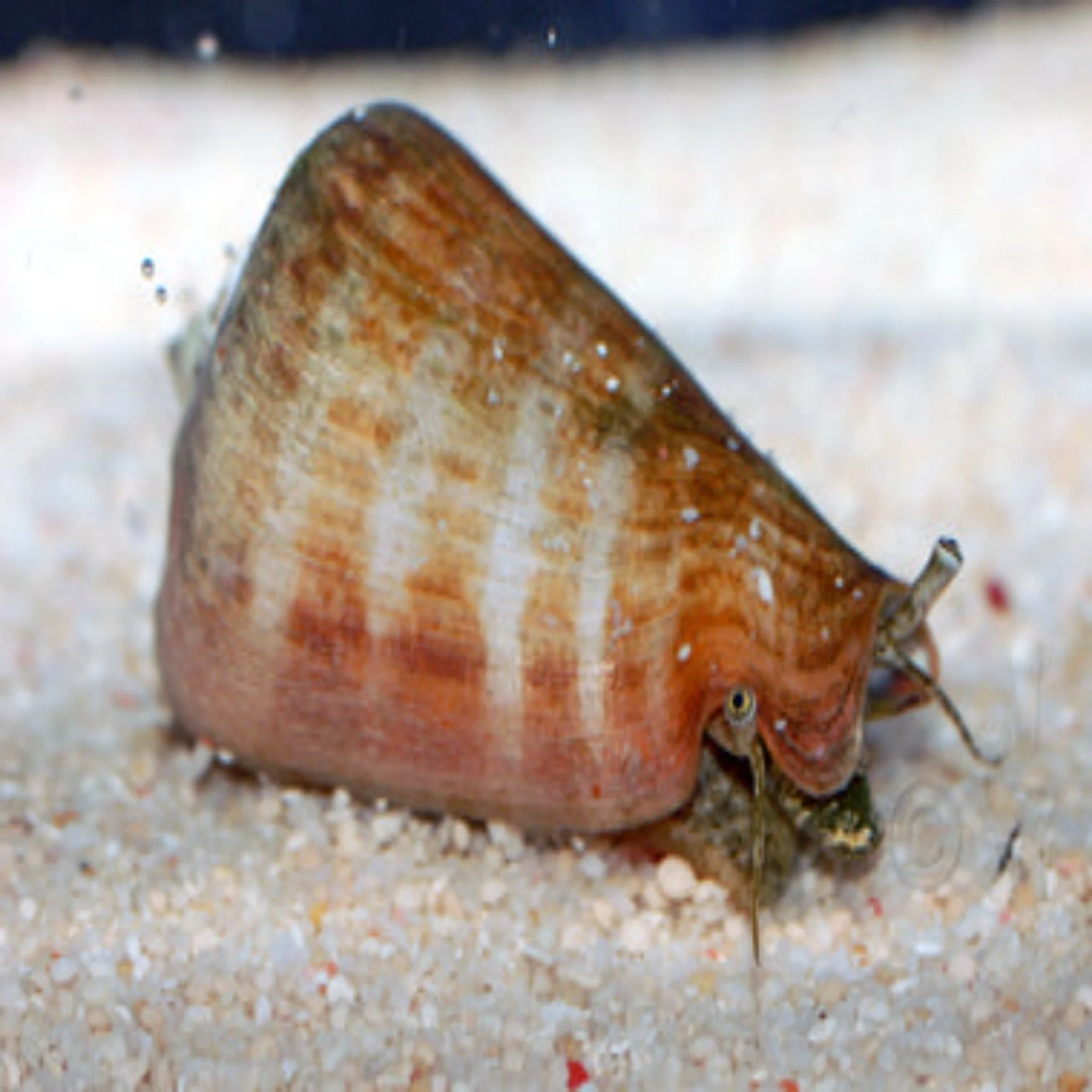
Not suitable for standard reef aquariums. It may kill or eat snails, hermit crabs, crabs, shrimps, small fish, worms and other desirable clean-up crew animals. While it does not normally graze coral tissue, its predatory behaviour, digging, rock-moving and potential to damage livestock make it best suited to a dedicated species tank.
Special Requirements or Care Notes:
Best kept in a dedicated mantis shrimp aquarium with strong filtration, secure rockwork and a safe burrow. Acrylic aquariums or tanks with a protected bottom pane are often preferred for larger individuals, as powerful strikes against glass or unstable rockwork can cause damage. Avoid handling by hand; the strike can injure fingers, and the animal should be moved with rigid containers rather than nets. Keep pump intakes protected, maintain excellent water quality and avoid copper-based treatments, as this is a marine invertebrate.
Suitable for:
Experienced fishkeepers
Availability:
Occasional in trade
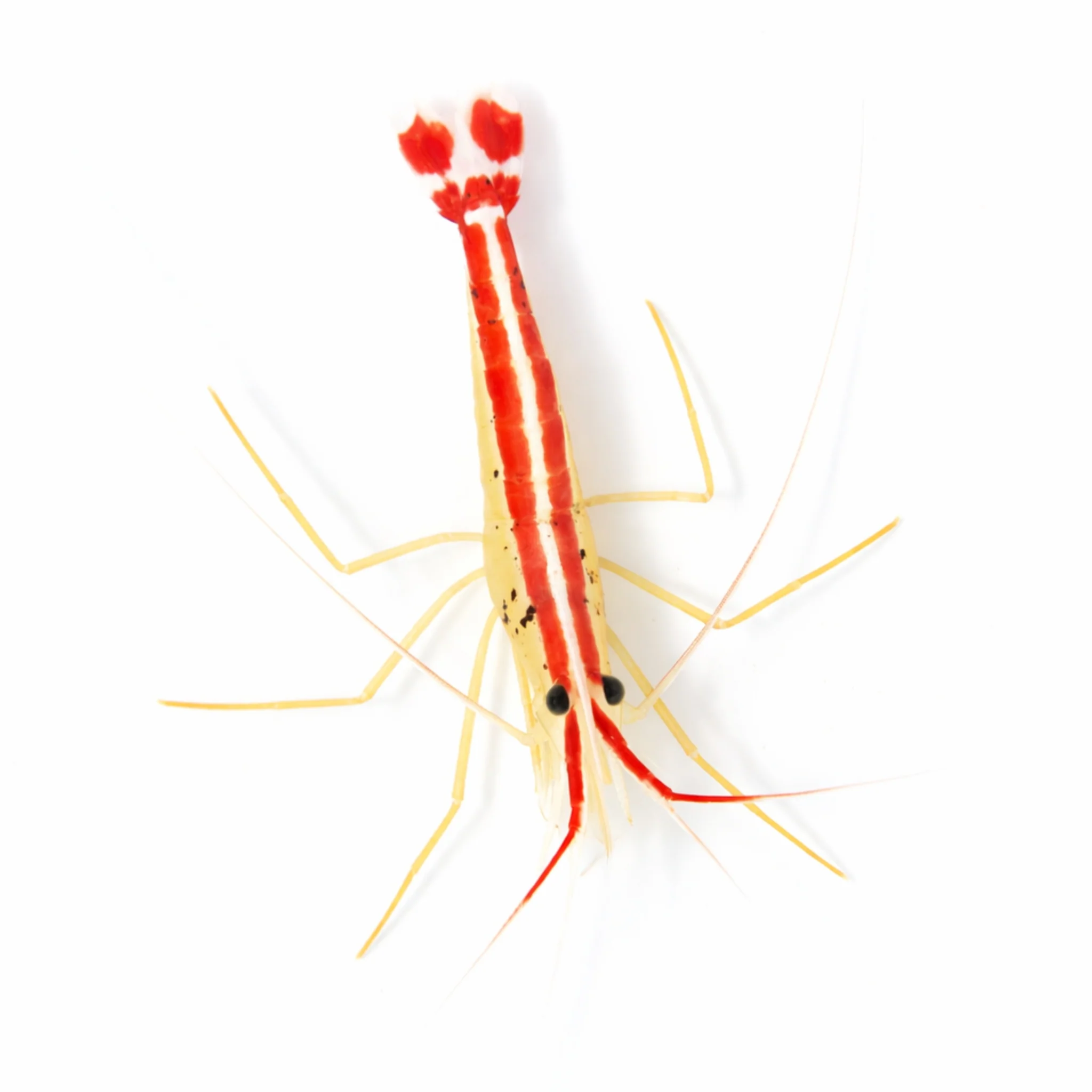
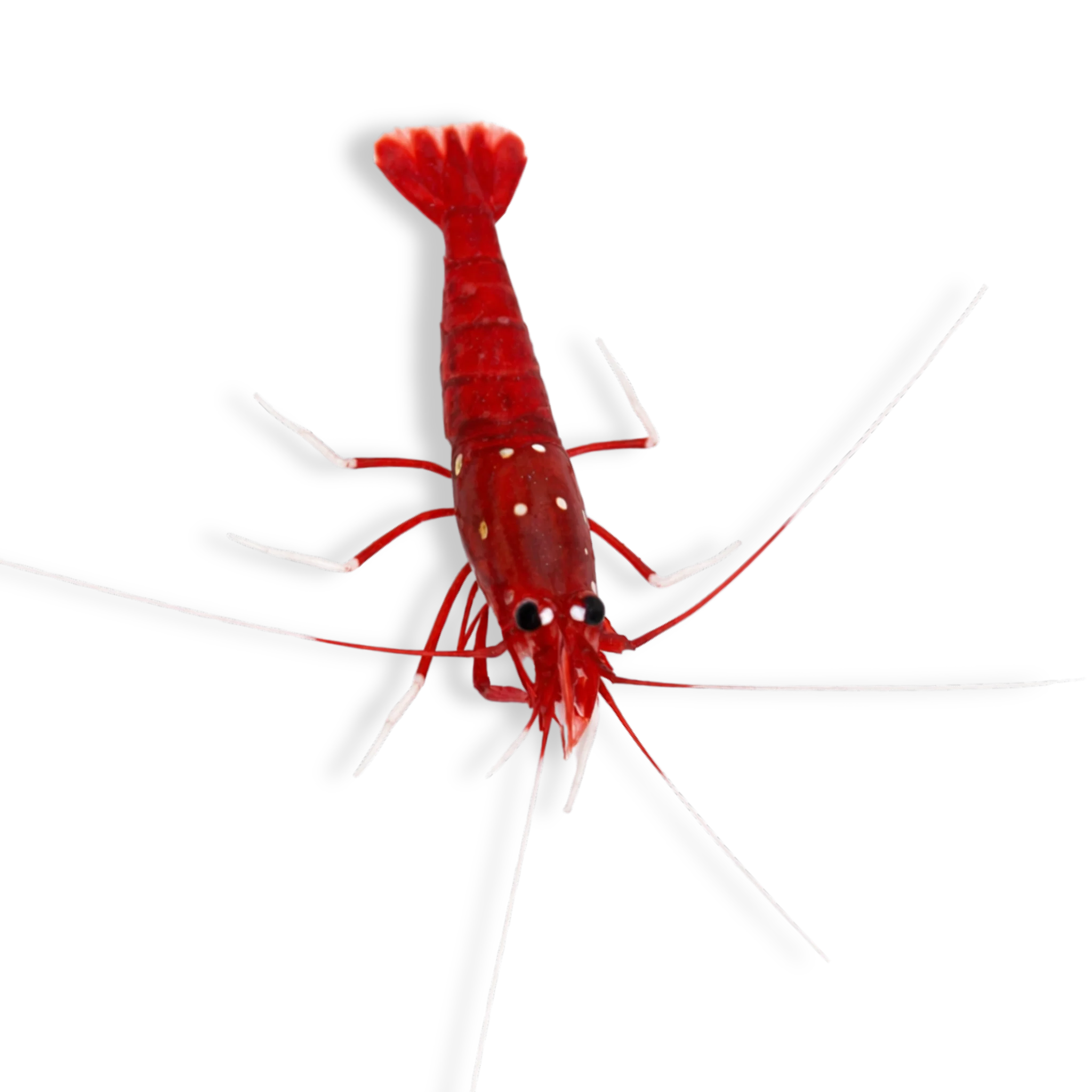
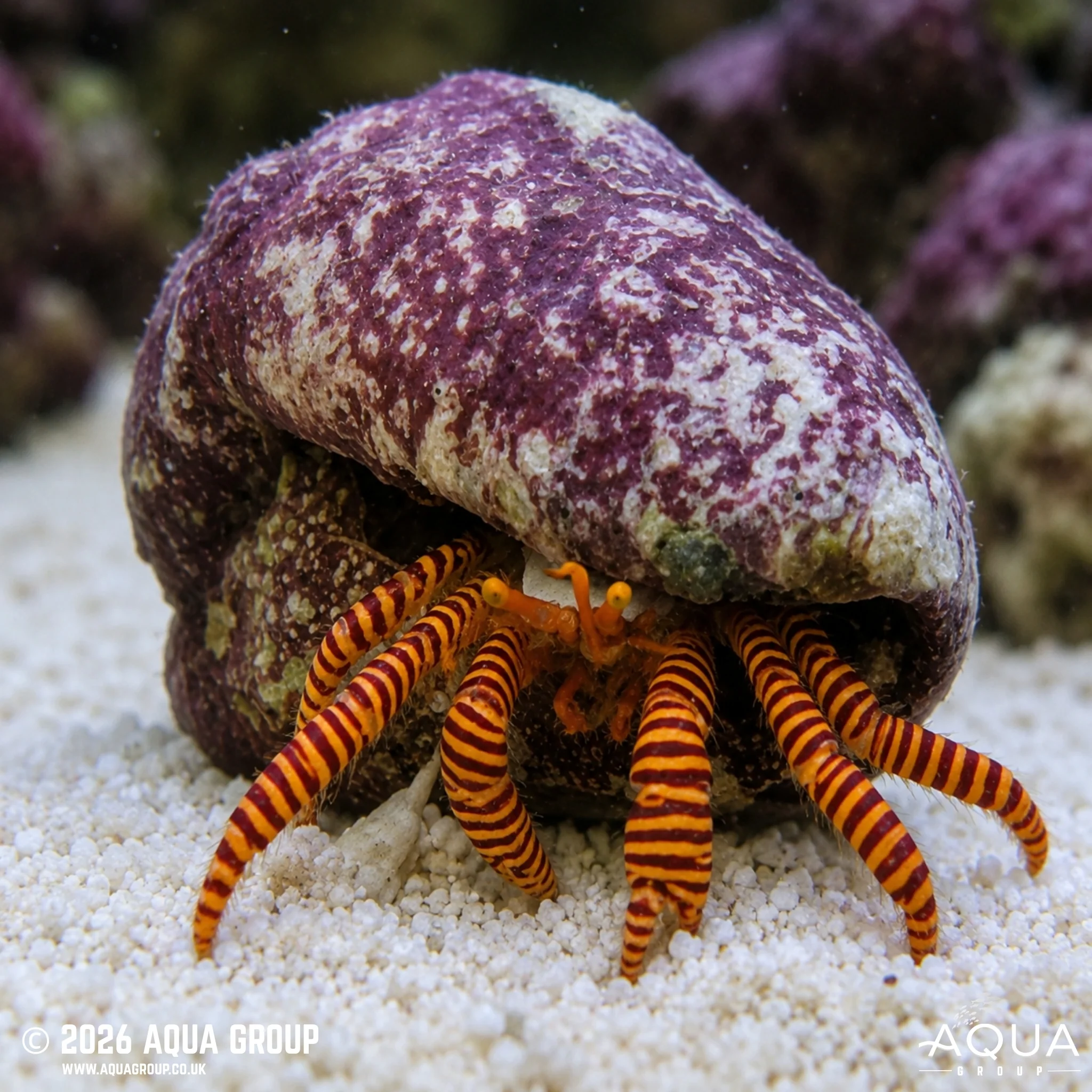
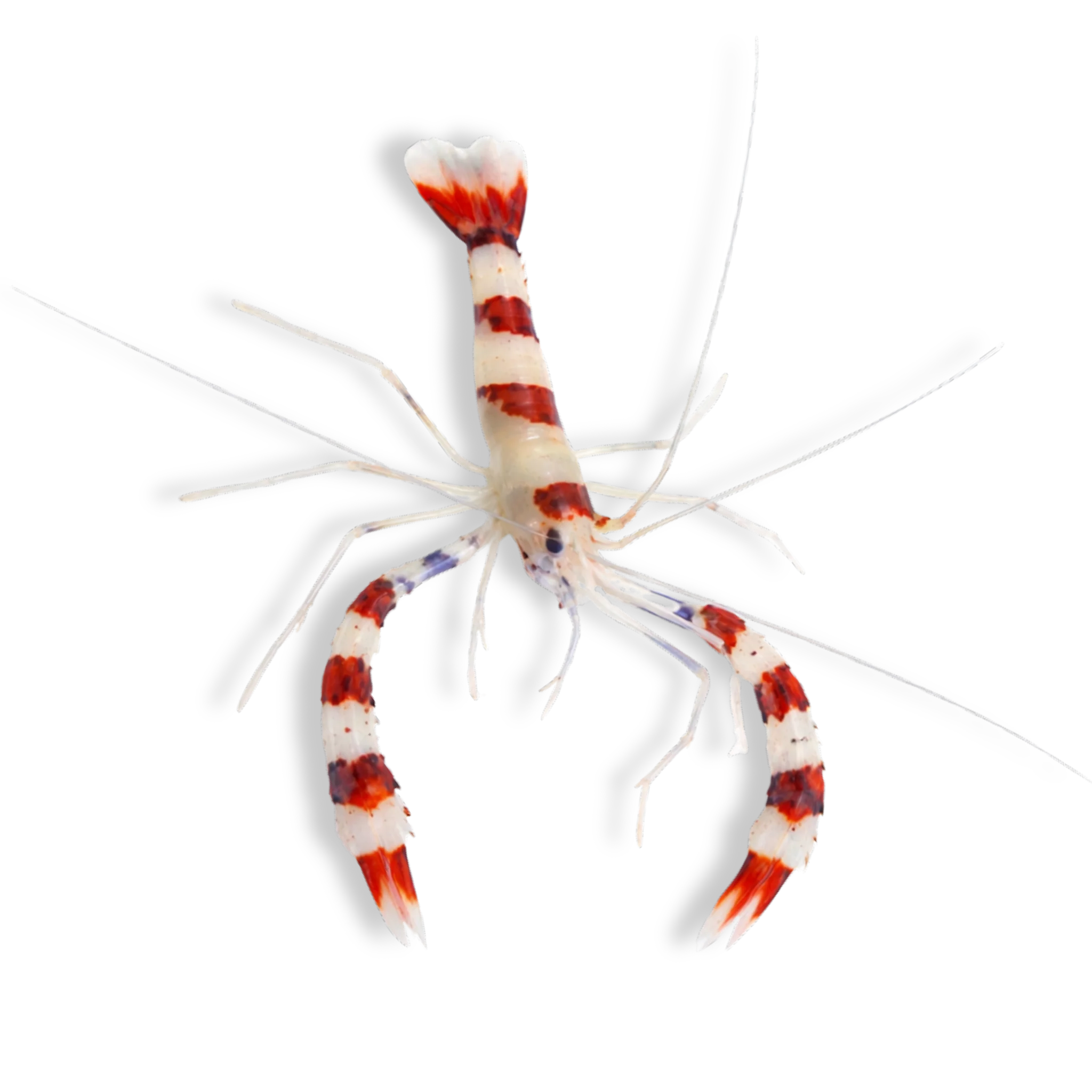
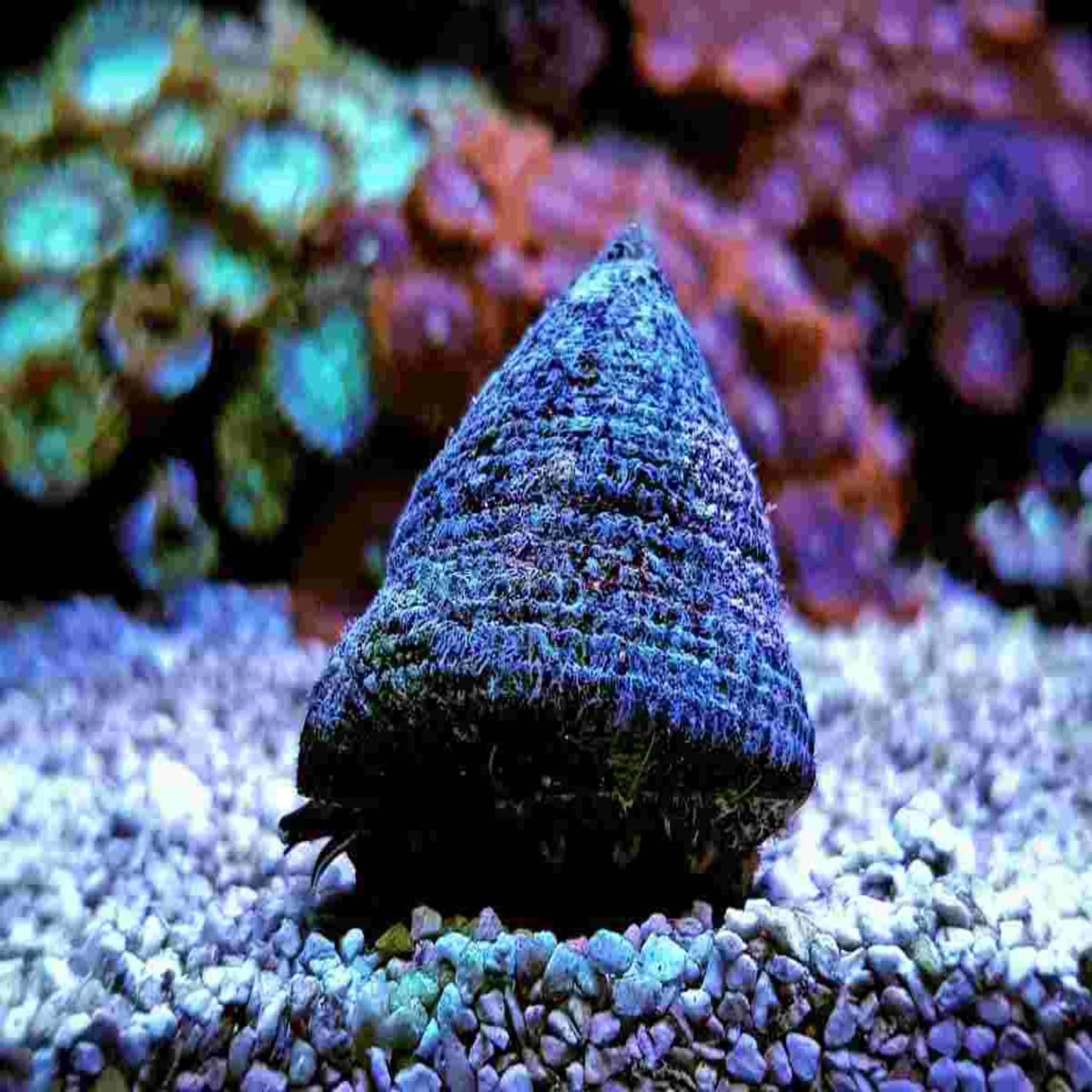
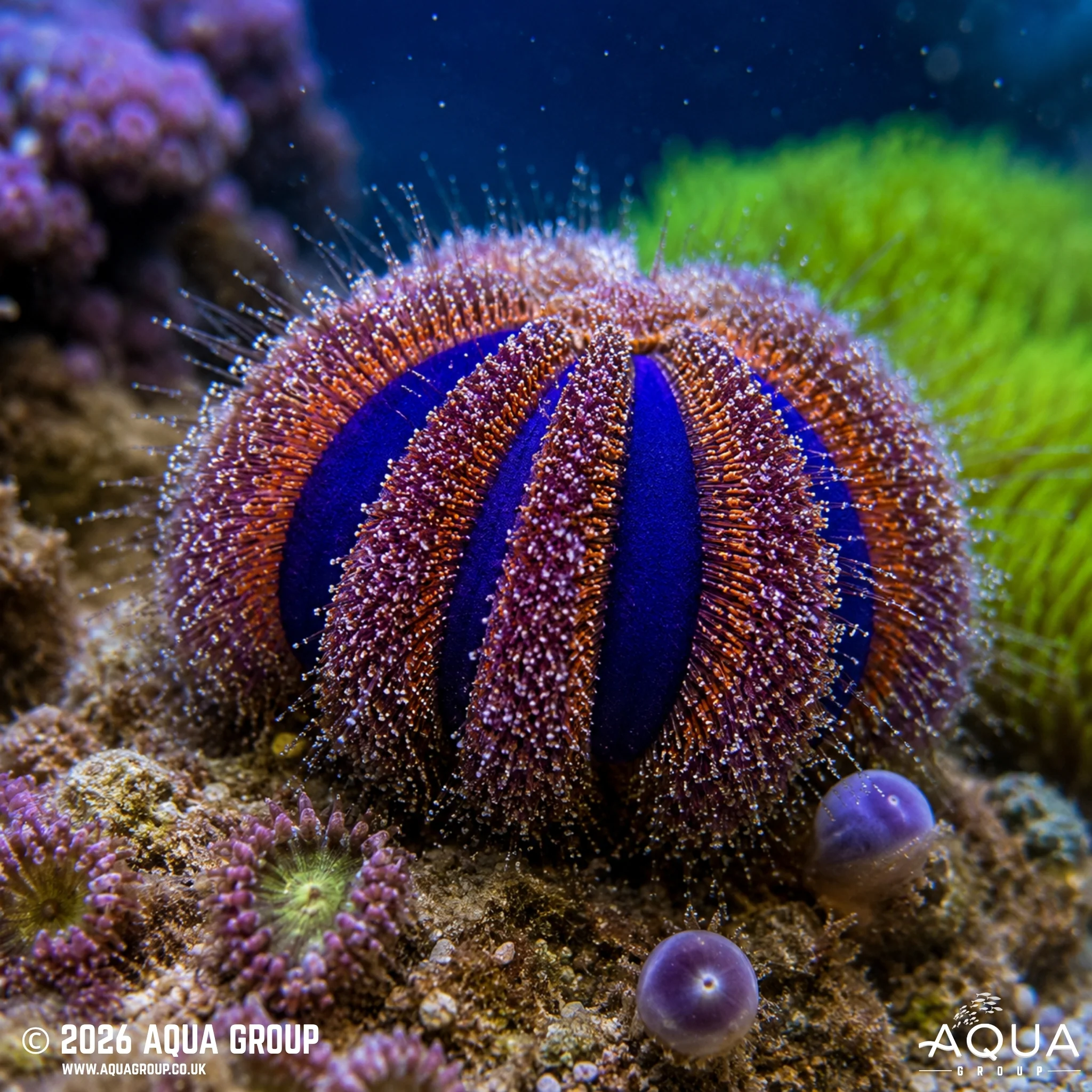
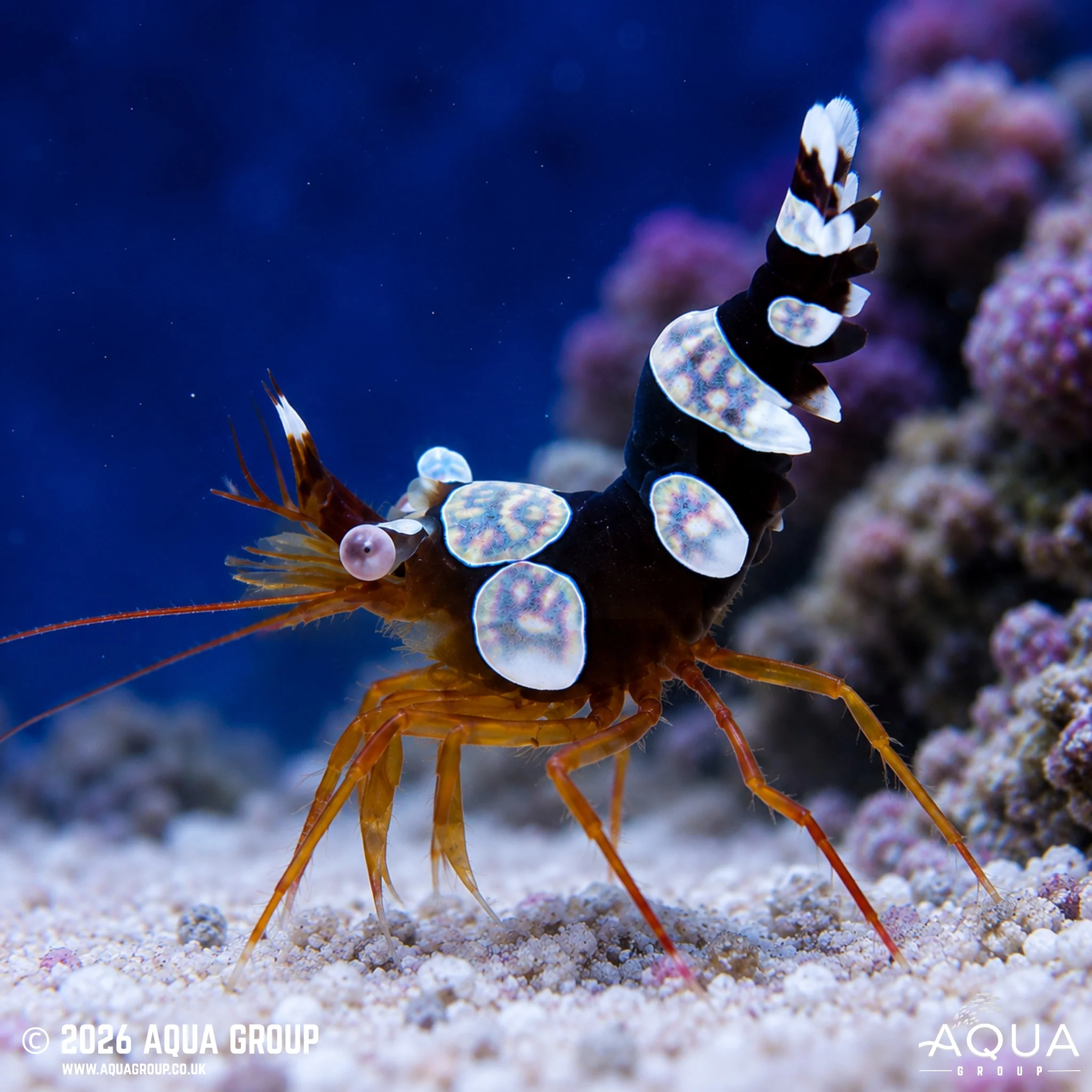
All images are a visual representation of the animal you will receive, made to be as accurate as possible. Please note that Mother Nature is a wonderful thing, and variation in patterns and colours will occur — that is part of the unique beauty of these animals.
Description
Peacock Mantis Shrimp (Odontodactylus scyllarus)
The Peacock Mantis Shrimp, Odontodactylus scyllarus, is one of the most spectacular marine invertebrates available, known for its vivid green, blue, orange and red colouration, powerful raptorial “smashing” claws and highly intelligent behaviour. Also known as the Harlequin Mantis Shrimp, Painted Mantis Shrimp, Clown Mantis Shrimp or Rainbow Mantis Shrimp, this Indo-Pacific stomatopod is a fascinating display animal for a dedicated species aquarium. It is not suitable for normal reef community tanks, as it is a strong predator capable of killing fish, crabs, snails and other invertebrates.
Common Name:
Peacock Mantis Shrimp, Harlequin Mantis Shrimp, Painted Mantis Shrimp, Clown Mantis Shrimp, Rainbow Mantis Shrimp, Peacock Stomatopod, Peacock Odontodactyl.
Scientific Name (Latin):
Odontodactylus scyllarus
Maximum Size:
Usually around 12–18 cm, with larger adult specimens reaching approximately 18 cm.
Water Type:
Marine
Origin / Natural Habitat:
Indo-Pacific, from East Africa and the Indian Ocean across to the western Pacific, including reef regions around Indonesia, the Philippines, northern Australia and island reef systems. Naturally found on coral reefs, reef flats, rubble zones and burrows within sand, coral rubble or live rock, where it uses a secure den as a base for hunting and defence.
Water Parameters:
Temperature: 24–27°C
pH Range: 8.1–8.4
Hardness or Salinity: SG 1.023–1.025
Temperament:
Predatory, territorial and best kept alone. It is highly interactive and intelligent, but it will attack and eat many fish, shrimps, crabs, snails and other invertebrates. It should not be added to a peaceful reef or mixed community aquarium.
Diet:
Carnivorous predator. In the aquarium, offer a varied diet of marine meaty foods such as pieces of prawn, mussel, clam, cockle, squid, krill and marine fish flesh. Hard-shelled foods such as marine snails, small crabs or shell-on seafood can help provide natural feeding enrichment and wear the raptorial appendages appropriately. Feed measured portions and remove uneaten food to protect water quality.
Minimum Tank Size:
A minimum of 120 litres is recommended for a single specimen, with 150 litres or more preferred for an adult. Use a strong, well-covered aquarium with secure rockwork, stable water quality and no delicate tank mates.
Behaviour & Activity:
A highly alert, burrow-dwelling predator that spends much of its time watching from a chosen cave or tunnel, then emerging to explore, rearrange rubble and hunt. It uses powerful club-like appendages to smash hard-shelled prey and defend its territory. Provide a secure den, rubble pieces and enough space for natural movement. It may dig, move small rocks and modify its shelter.
Reef Safe:
Not Reef Safe
Not suitable for standard reef aquariums. It may kill or eat snails, hermit crabs, crabs, shrimps, small fish, worms and other desirable clean-up crew animals. While it does not normally graze coral tissue, its predatory behaviour, digging, rock-moving and potential to damage livestock make it best suited to a dedicated species tank.
Special Requirements or Care Notes:
Best kept in a dedicated mantis shrimp aquarium with strong filtration, secure rockwork and a safe burrow. Acrylic aquariums or tanks with a protected bottom pane are often preferred for larger individuals, as powerful strikes against glass or unstable rockwork can cause damage. Avoid handling by hand; the strike can injure fingers, and the animal should be moved with rigid containers rather than nets. Keep pump intakes protected, maintain excellent water quality and avoid copper-based treatments, as this is a marine invertebrate.
Suitable for:
Experienced fishkeepers
Availability:
Occasional in trade
All images are a visual representation of the animal you will receive, made to be as accurate as possible. Please note that Mother Nature is a wonderful thing, and variation in patterns and colours will occur — that is part of the unique beauty of these animals.