Original: $40.27
-65%$40.27
$14.09The Story
Squat Lobster (Allogalathea elegans)
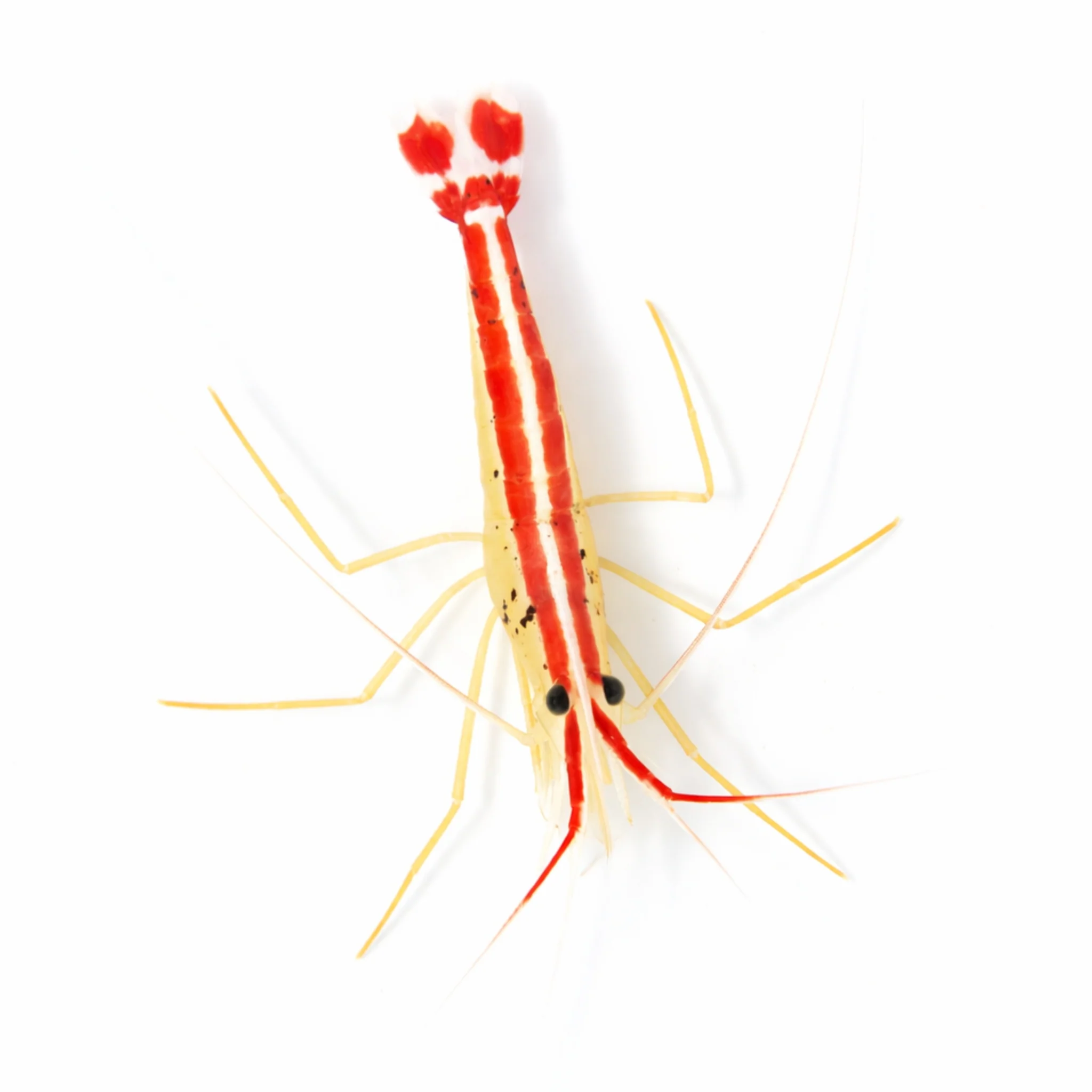
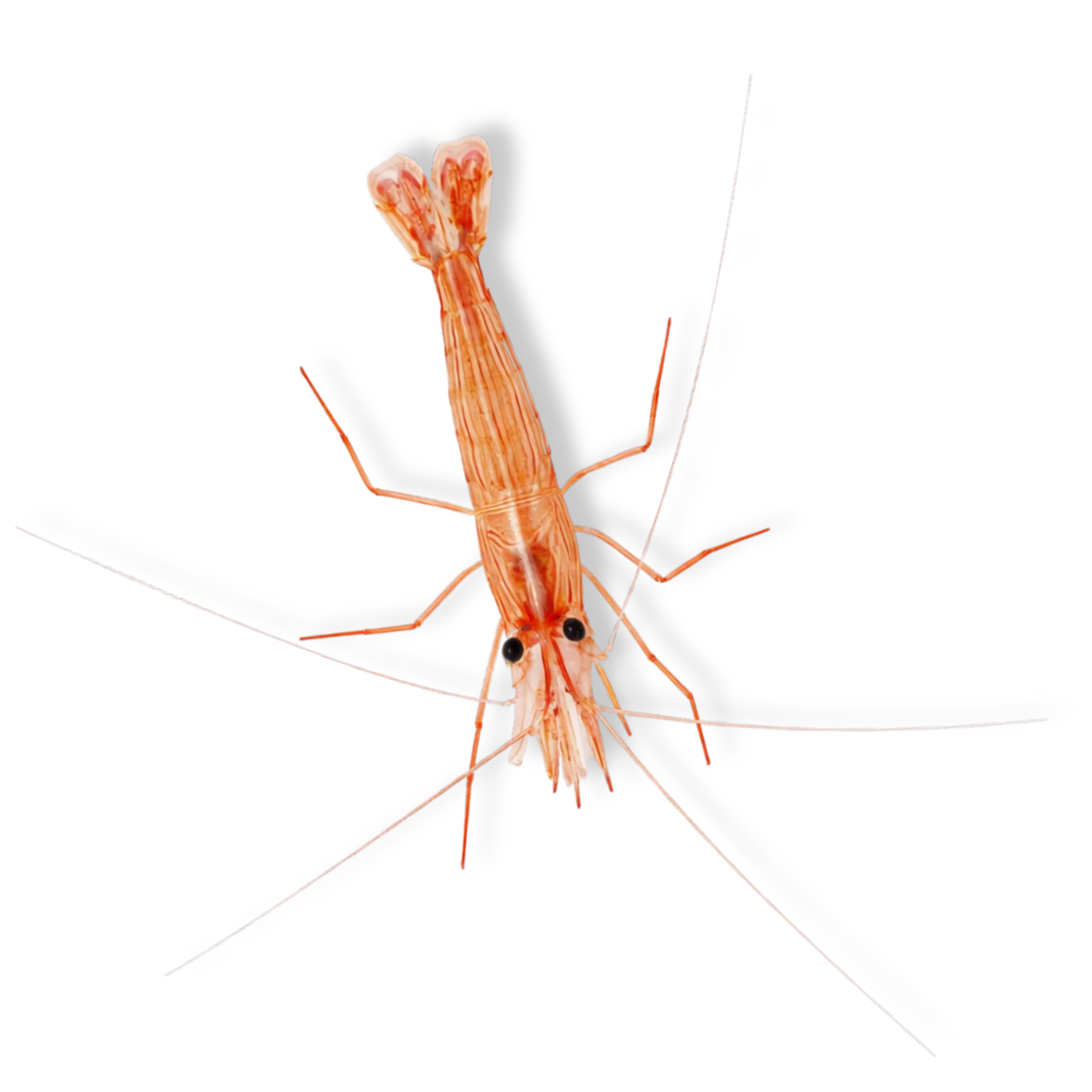
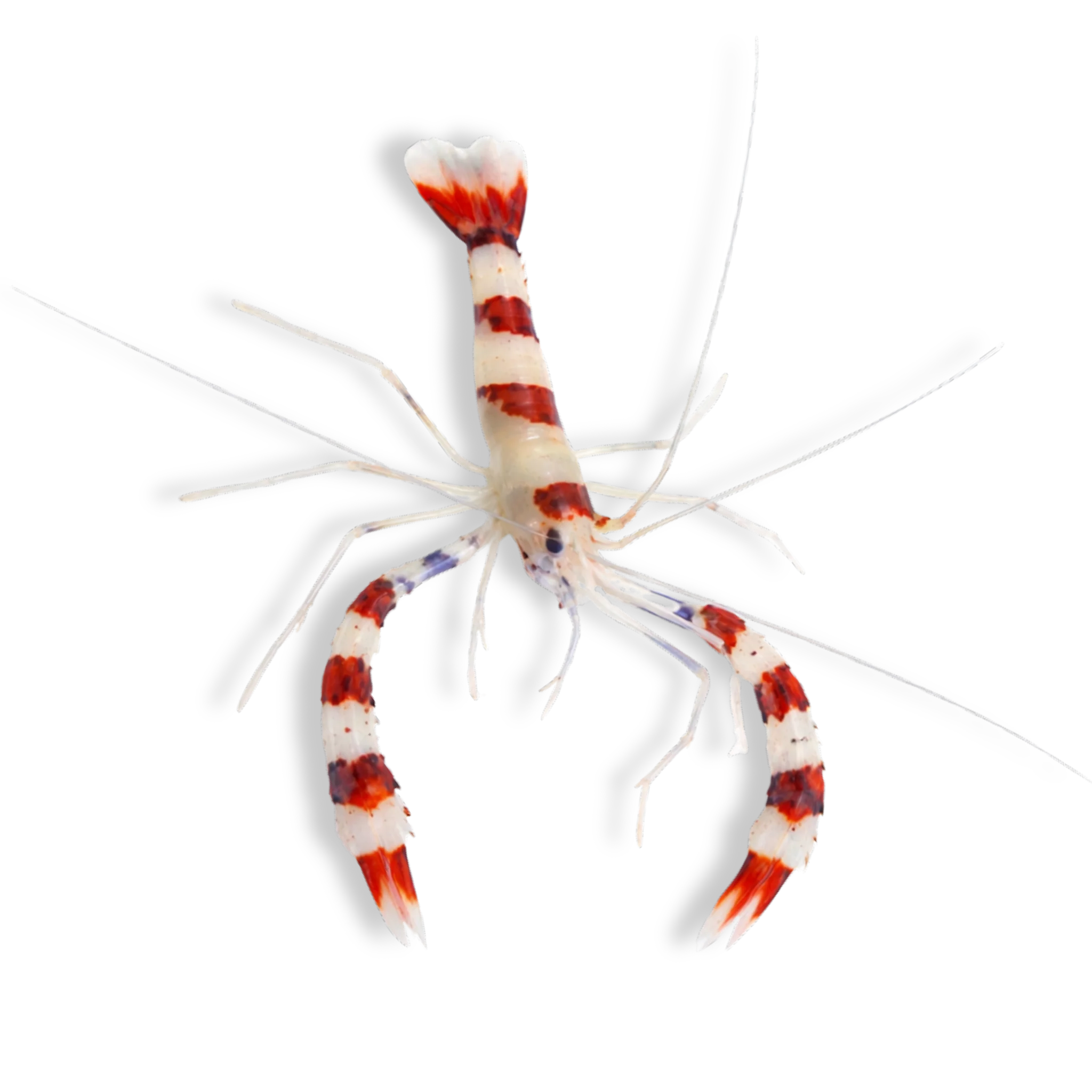
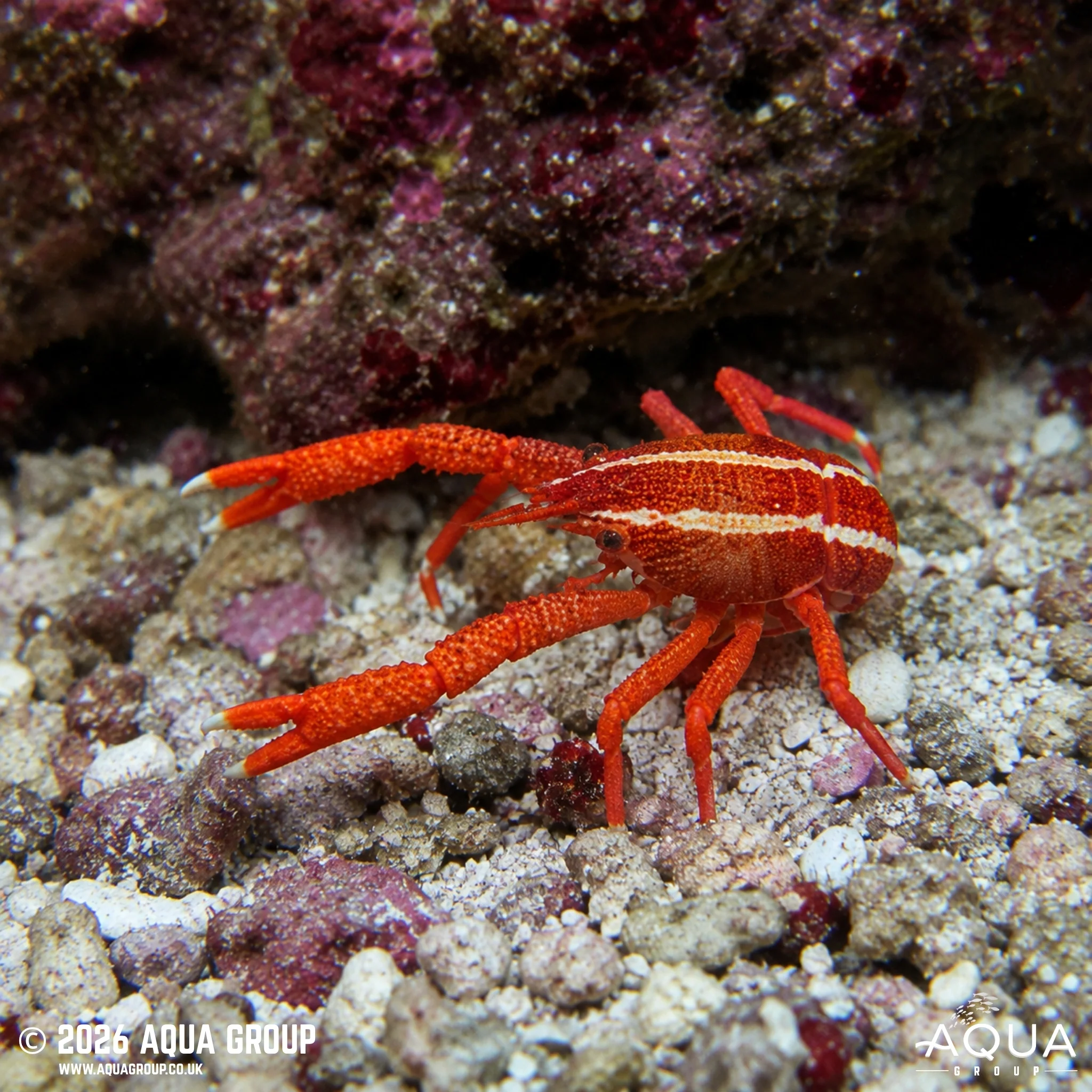
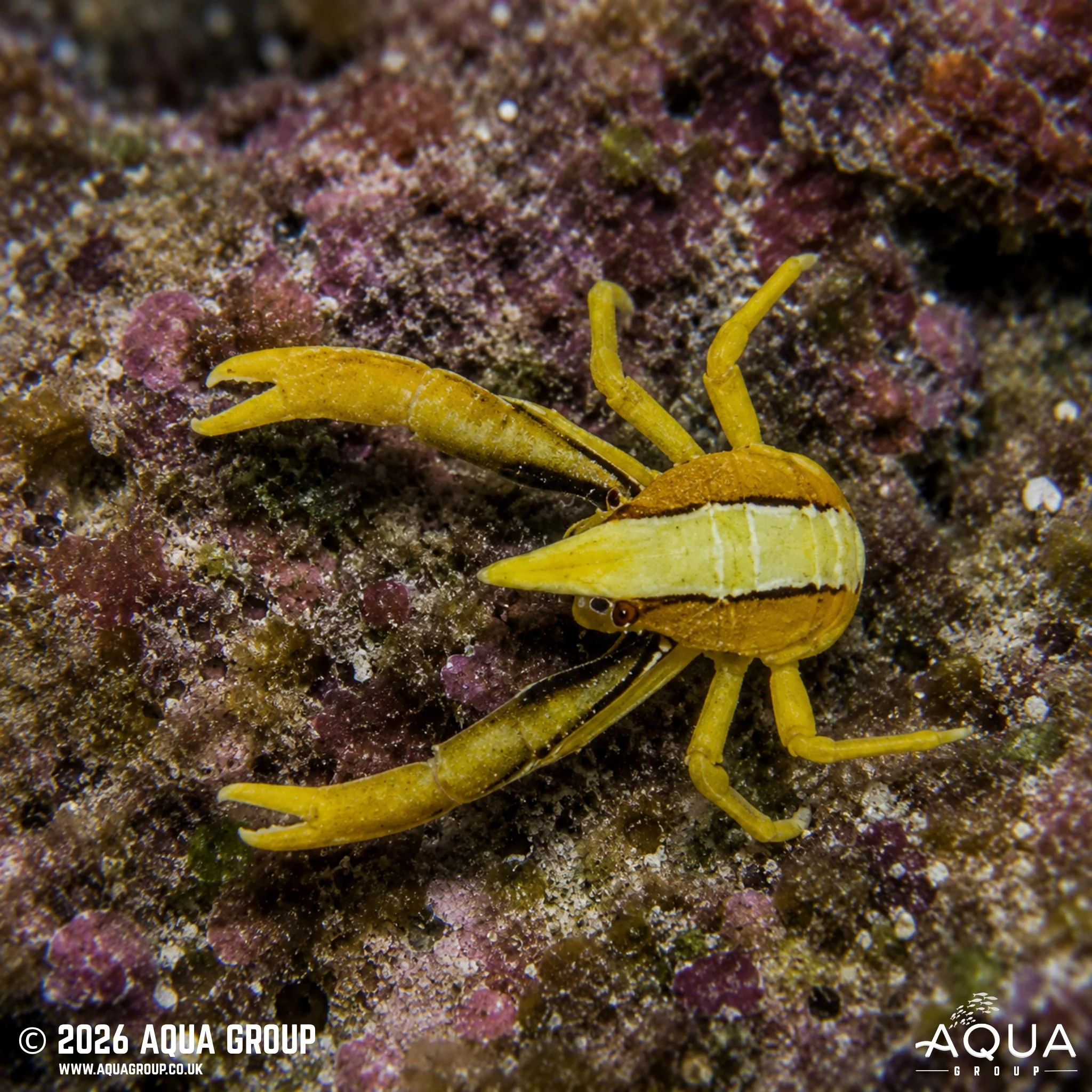
The Squat Lobster, Allogalathea elegans, is a tiny and highly unusual marine crustacean with elegant striped markings, long slender claws and a close natural association with feather stars. Also known as the Crinoid Squat Lobster, Feather Star Squat Lobster or Elegant Squat Lobster, this Indo-Pacific species is not a true lobster, but a small anomuran crustacean more closely related to hermit crabs and porcelain crabs. It is reef safe with caution, peaceful and fascinating, but best suited to mature, calm reef aquariums where its delicate size and specialist feeding needs can be supported.
Common Name:
Squat Lobster, Crinoid Squat Lobster, Feather Star Squat Lobster, Elegant Squat Lobster, Striped Squat Lobster.
Scientific Name (Latin):
Allogalathea elegans
Maximum Size:
Usually around 2 cm body length, with long claws and antennae making the animal appear larger.
Water Type:
Marine
Origin / Natural Habitat:
Indo-Pacific, including the Red Sea and tropical western Pacific reef regions. Naturally found on coastal reefs and coral habitats, usually living among the arms of crinoids, also known as feather stars. The crinoid host provides protection and access to plankton-rich feeding positions, and the squat lobster’s colour pattern often helps it blend in with the host.
Water Parameters:
Temperature: 24–27°C
pH Range: 8.1–8.4
Hardness or Salinity: SG 1.023–1.025
Temperament:
Peaceful, shy and cryptic. It should not be housed with predatory or nipping fish such as hawkfish, triggers, puffers, large wrasses, dottybacks or larger predatory gobies. It may be mildly territorial around a preferred perch, but it is not a threat to most suitable reef tank mates.
Diet:
Micro-planktivore and scavenging feeder. In nature, it feeds on plankton and fine suspended foods associated with its crinoid host’s feeding position. In the aquarium, offer very small foods such as copepods, cyclops, calanus, enriched brineshrimp, finely chopped mysis, powdered coral foods and fine marine plankton preparations. In very clean systems, targeted feeding is recommended to prevent starvation.
Minimum Tank Size:
A minimum of 40 litres is suitable for a single specimen in a stable specialist nano reef, but 80 litres or more is preferred for better water stability and feeding control. The aquarium should be mature, peaceful and rich in small natural foods.
Behaviour & Activity:
A small, cryptic crustacean that spends much of its time perched among feather stars, branching coral-style structure, rock crevices or sheltered ledges. It may be visible mostly during quieter periods or feeding time. In the wild, it uses crinoid arms for shelter and feeding access; in aquariums without a crinoid host, it may choose branching corals, macroalgae, caves or rockwork as a substitute. It is delicate and can easily be lost in large, busy reef systems.
Reef Safe:
Reef Safe with Caution
Generally safe with corals and peaceful reef invertebrates. The caution is because it is very small, may steal tiny food particles from coral surfaces, and may be vulnerable to predation. If kept with a feather star or delicate filter-feeding host, the needs of that host must also be considered, as crinoids are highly specialist animals themselves.
Special Requirements or Care Notes:
Best kept in a mature, low-aggression reef aquarium with regular access to fine planktonic foods. Do not keep with shrimp-eating or crab-eating fish. Slow acclimation is important, as small marine crustaceans are sensitive to salinity and temperature swings. Avoid copper-based treatments. Cover pump intakes and overflow slots in nano systems, and provide branching structure, caves or a suitable host area so the animal can settle securely.
Suitable for:
Intermediate fishkeepers
Availability:
Rare or occasional in trade
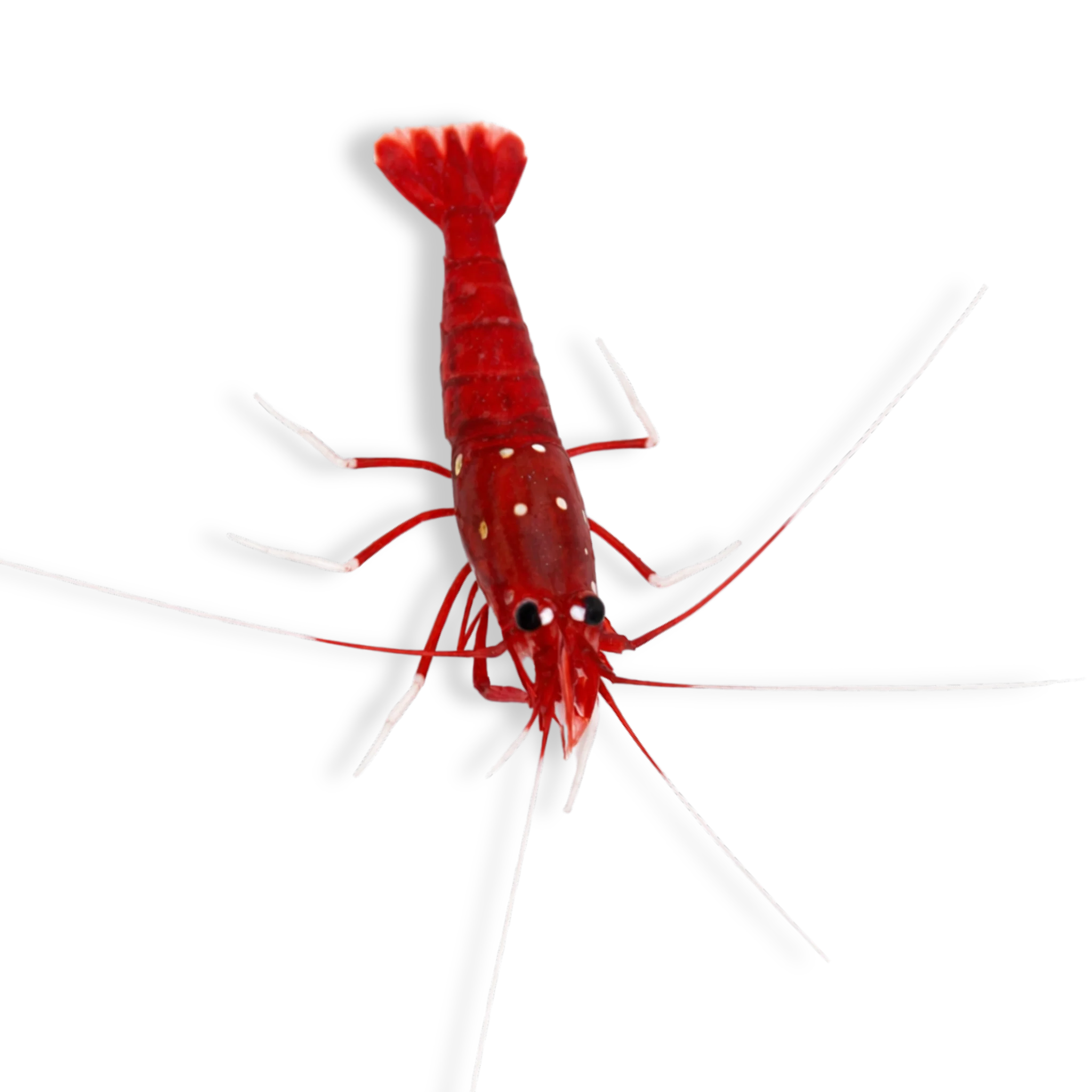
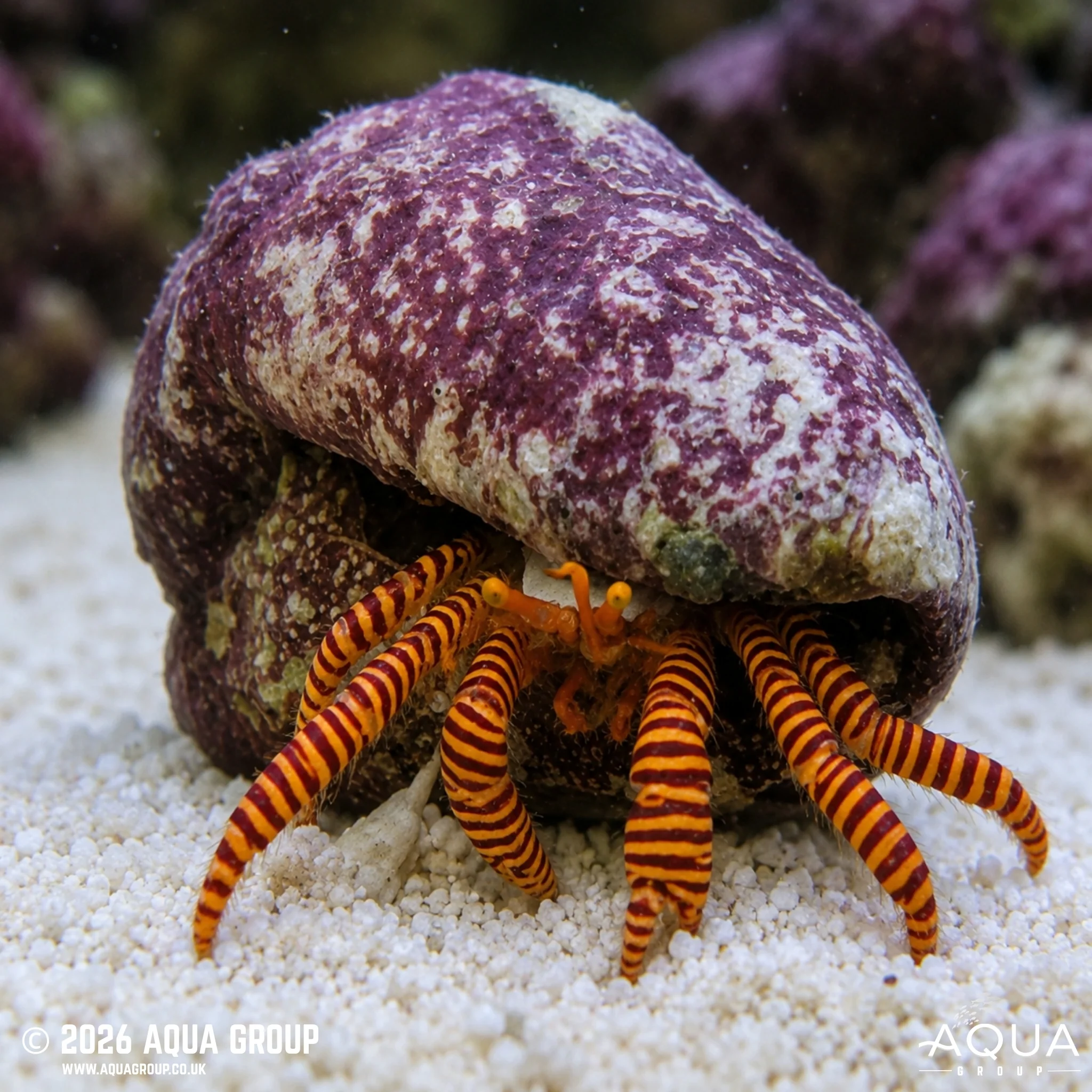
All images are a visual representation of the animal you will receive, made to be as accurate as possible. Please note that Mother Nature is a wonderful thing, and variation in patterns and colours will occur — that is part of the unique beauty of these animals.
Details & Craftsmanship
Every detail has been carefully considered to bring you the perfect product.
Details & Craftsmanship
Every detail has been carefully considered to bring you the perfect product.
Description
Squat Lobster (Allogalathea elegans)
The Squat Lobster, Allogalathea elegans, is a tiny and highly unusual marine crustacean with elegant striped markings, long slender claws and a close natural association with feather stars. Also known as the Crinoid Squat Lobster, Feather Star Squat Lobster or Elegant Squat Lobster, this Indo-Pacific species is not a true lobster, but a small anomuran crustacean more closely related to hermit crabs and porcelain crabs. It is reef safe with caution, peaceful and fascinating, but best suited to mature, calm reef aquariums where its delicate size and specialist feeding needs can be supported.
Common Name:
Squat Lobster, Crinoid Squat Lobster, Feather Star Squat Lobster, Elegant Squat Lobster, Striped Squat Lobster.
Scientific Name (Latin):
Allogalathea elegans
Maximum Size:
Usually around 2 cm body length, with long claws and antennae making the animal appear larger.
Water Type:
Marine
Origin / Natural Habitat:
Indo-Pacific, including the Red Sea and tropical western Pacific reef regions. Naturally found on coastal reefs and coral habitats, usually living among the arms of crinoids, also known as feather stars. The crinoid host provides protection and access to plankton-rich feeding positions, and the squat lobster’s colour pattern often helps it blend in with the host.
Water Parameters:
Temperature: 24–27°C
pH Range: 8.1–8.4
Hardness or Salinity: SG 1.023–1.025
Temperament:
Peaceful, shy and cryptic. It should not be housed with predatory or nipping fish such as hawkfish, triggers, puffers, large wrasses, dottybacks or larger predatory gobies. It may be mildly territorial around a preferred perch, but it is not a threat to most suitable reef tank mates.
Diet:
Micro-planktivore and scavenging feeder. In nature, it feeds on plankton and fine suspended foods associated with its crinoid host’s feeding position. In the aquarium, offer very small foods such as copepods, cyclops, calanus, enriched brineshrimp, finely chopped mysis, powdered coral foods and fine marine plankton preparations. In very clean systems, targeted feeding is recommended to prevent starvation.
Minimum Tank Size:
A minimum of 40 litres is suitable for a single specimen in a stable specialist nano reef, but 80 litres or more is preferred for better water stability and feeding control. The aquarium should be mature, peaceful and rich in small natural foods.
Behaviour & Activity:
A small, cryptic crustacean that spends much of its time perched among feather stars, branching coral-style structure, rock crevices or sheltered ledges. It may be visible mostly during quieter periods or feeding time. In the wild, it uses crinoid arms for shelter and feeding access; in aquariums without a crinoid host, it may choose branching corals, macroalgae, caves or rockwork as a substitute. It is delicate and can easily be lost in large, busy reef systems.
Reef Safe:
Reef Safe with Caution
Generally safe with corals and peaceful reef invertebrates. The caution is because it is very small, may steal tiny food particles from coral surfaces, and may be vulnerable to predation. If kept with a feather star or delicate filter-feeding host, the needs of that host must also be considered, as crinoids are highly specialist animals themselves.
Special Requirements or Care Notes:
Best kept in a mature, low-aggression reef aquarium with regular access to fine planktonic foods. Do not keep with shrimp-eating or crab-eating fish. Slow acclimation is important, as small marine crustaceans are sensitive to salinity and temperature swings. Avoid copper-based treatments. Cover pump intakes and overflow slots in nano systems, and provide branching structure, caves or a suitable host area so the animal can settle securely.
Suitable for:
Intermediate fishkeepers
Availability:
Rare or occasional in trade
All images are a visual representation of the animal you will receive, made to be as accurate as possible. Please note that Mother Nature is a wonderful thing, and variation in patterns and colours will occur — that is part of the unique beauty of these animals.