The Story
Tiger Serpent Starfish (Ophiolepis superba)
The Tiger Serpent Starfish, Ophiolepis superba, is a striking marine brittle star with a patterned central disc and long banded arms in cream, tan, brown, black or purplish tones. Also known as the Banded Brittle Starfish, Marbled Serpent Starfish or Tiger Striped Serpent Star, this Indo-Pacific echinoderm is valued as a useful scavenger for mature marine aquariums. It is generally reef safe and excellent at consuming leftover foods and detritus, but should still be fed appropriately and kept away from predators that may damage its arms.
Common Name:
Tiger Serpent Starfish, Tiger Serpent Star, Tiger Striped Serpent Star, Banded Brittle Starfish, Banded Serpent Starfish, Marbled Serpent Starfish.
Scientific Name (Latin):
Ophiolepis superba
Maximum Size:
Commonly around 20–30 cm across including the arms when fully extended. The central disc is much smaller than the full arm span.
Water Type:
Marine
Origin / Natural Habitat:
Indo-Pacific reef regions. Naturally found in shallow reef areas, coral communities and under coral rubble, usually in marine waters less than around 30 m deep. It is a bottom-dwelling scavenger that spends much of the day hidden under rock, rubble or ledges.
Water Parameters:
Temperature: 24–27°C
pH Range: 8.1–8.4
Hardness or Salinity: SG 1.023–1.025
Temperament:
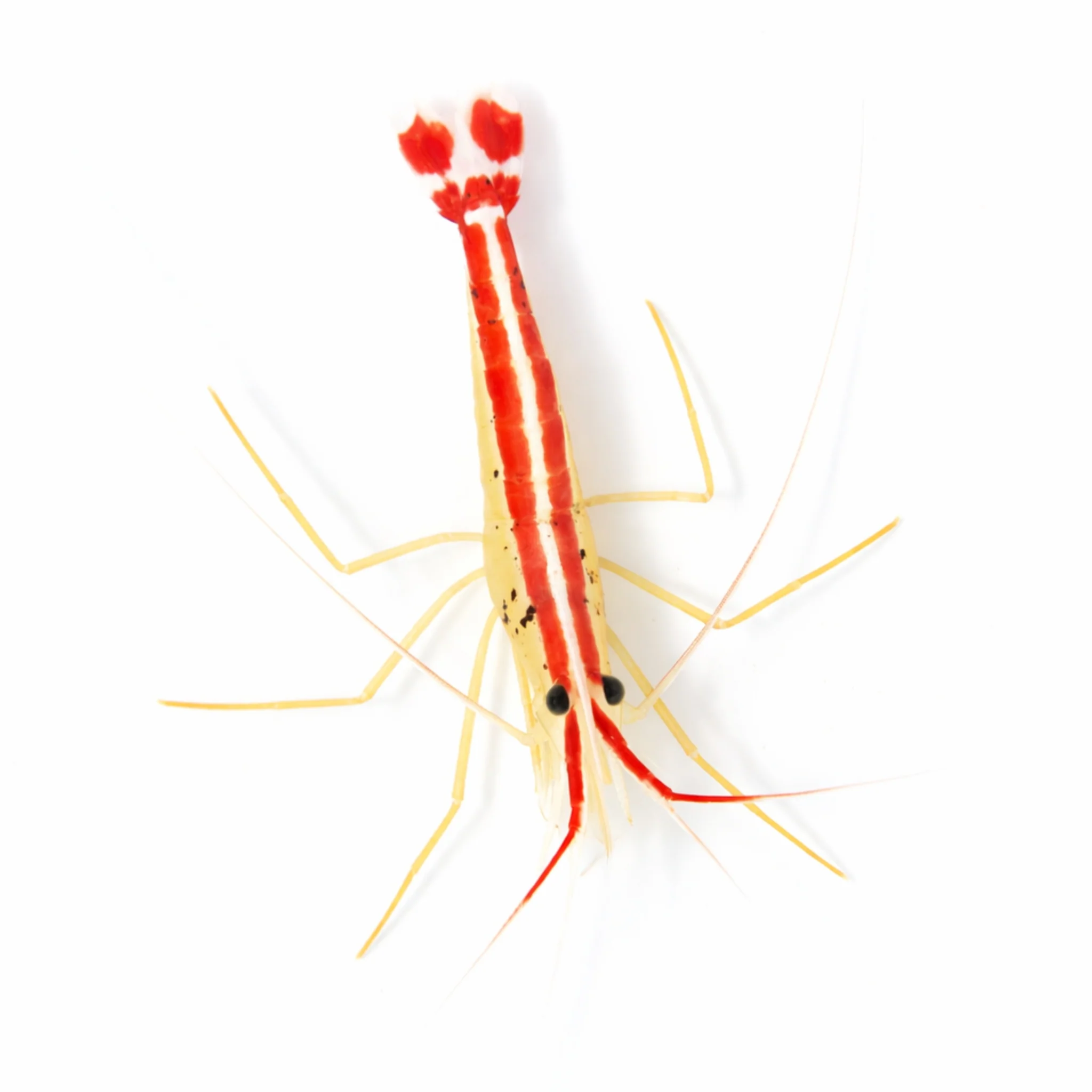
Peaceful and mostly nocturnal or cryptic. It will not bother corals, but it may opportunistically scavenge dead animals and very small, weakened livestock. It should not be kept with fish or invertebrates that may attack brittle stars, such as triggers, puffers, large wrasses, harlequin shrimp or aggressive crabs.
Diet:
Opportunistic scavenger and detritus feeder. In the aquarium, it will eat leftover meaty foods, detritus, carrion and small organic particles from rockwork and substrate. Supplement with small pieces of mysis, krill, chopped prawn, clam, mussel, sinking marine pellets or other meaty marine foods, especially in very clean aquariums where little food reaches the bottom.
Minimum Tank Size:
A minimum of 150 litres is recommended for a single specimen, with larger mature aquariums preferred. Provide plenty of live rock, caves, overhangs and open areas of sand or rubble for roaming.
Behaviour & Activity:
A cryptic brittle star that spends much of the day hidden in rockwork with only the arms visible, then emerges more actively after dark or when food is detected. It uses its long flexible arms to move quickly across rockwork and substrate and to pull food towards the mouth on the underside of the disc. It may hide for long periods in a mature aquarium, but this is normal behaviour.
Reef Safe:
Reef Safe
Generally safe with corals, snails, hermit crabs, cleaner shrimps and peaceful reef fish. It does not eat coral tissue and is useful for scavenging uneaten foods. Very small, weak or dying animals may be scavenged, so it should not be blamed automatically for losses unless predatory behaviour is clearly observed.
Special Requirements or Care Notes:
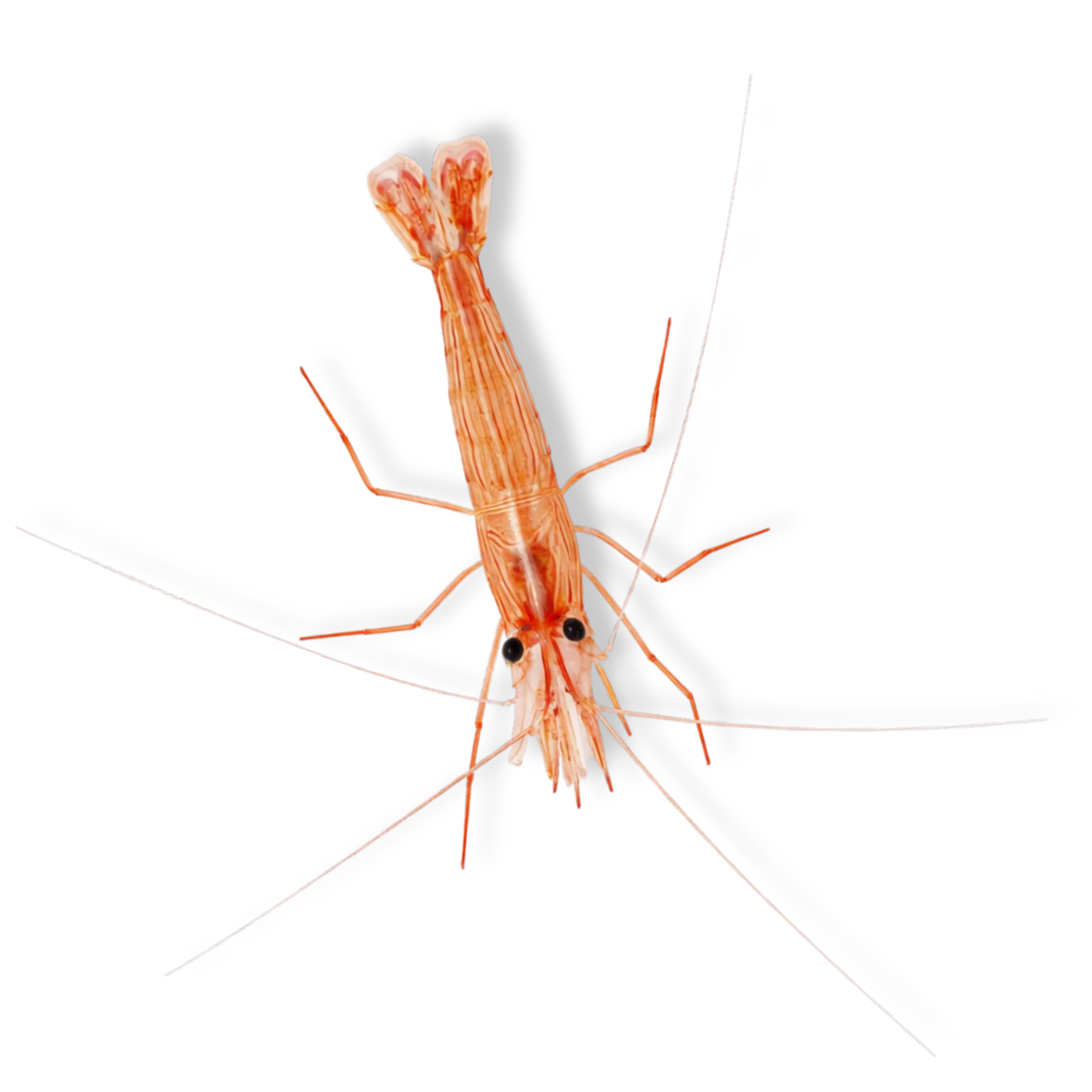
Like other echinoderms, it is sensitive to copper, sudden salinity changes, poor acclimation and unstable water quality. Slow acclimation is important. Avoid exposing it to air for extended periods and never pull it from rockwork by the arms, as they can be damaged or shed. Provide hiding places and regular small supplemental feeds if the aquarium is very clean. Do not keep with Harlequin Shrimp, as they specialise in eating starfish and related echinoderms.
Suitable for:
Beginner to intermediate fishkeepers
Availability:
Common in trade
All images are a visual representation of the animal you will receive, made to be as accurate as possible. Please note that Mother Nature is a wonderful thing, and variation in patterns and colours will occur — that is part of the unique beauty of these animals.
Description
Tiger Serpent Starfish (Ophiolepis superba)
The Tiger Serpent Starfish, Ophiolepis superba, is a striking marine brittle star with a patterned central disc and long banded arms in cream, tan, brown, black or purplish tones. Also known as the Banded Brittle Starfish, Marbled Serpent Starfish or Tiger Striped Serpent Star, this Indo-Pacific echinoderm is valued as a useful scavenger for mature marine aquariums. It is generally reef safe and excellent at consuming leftover foods and detritus, but should still be fed appropriately and kept away from predators that may damage its arms.
Common Name:
Tiger Serpent Starfish, Tiger Serpent Star, Tiger Striped Serpent Star, Banded Brittle Starfish, Banded Serpent Starfish, Marbled Serpent Starfish.
Scientific Name (Latin):
Ophiolepis superba
Maximum Size:
Commonly around 20–30 cm across including the arms when fully extended. The central disc is much smaller than the full arm span.
Water Type:
Marine
Origin / Natural Habitat:
Indo-Pacific reef regions. Naturally found in shallow reef areas, coral communities and under coral rubble, usually in marine waters less than around 30 m deep. It is a bottom-dwelling scavenger that spends much of the day hidden under rock, rubble or ledges.
Water Parameters:
Temperature: 24–27°C
pH Range: 8.1–8.4
Hardness or Salinity: SG 1.023–1.025
Temperament:
Peaceful and mostly nocturnal or cryptic. It will not bother corals, but it may opportunistically scavenge dead animals and very small, weakened livestock. It should not be kept with fish or invertebrates that may attack brittle stars, such as triggers, puffers, large wrasses, harlequin shrimp or aggressive crabs.
Diet:
Opportunistic scavenger and detritus feeder. In the aquarium, it will eat leftover meaty foods, detritus, carrion and small organic particles from rockwork and substrate. Supplement with small pieces of mysis, krill, chopped prawn, clam, mussel, sinking marine pellets or other meaty marine foods, especially in very clean aquariums where little food reaches the bottom.
Minimum Tank Size:
A minimum of 150 litres is recommended for a single specimen, with larger mature aquariums preferred. Provide plenty of live rock, caves, overhangs and open areas of sand or rubble for roaming.
Behaviour & Activity:
A cryptic brittle star that spends much of the day hidden in rockwork with only the arms visible, then emerges more actively after dark or when food is detected. It uses its long flexible arms to move quickly across rockwork and substrate and to pull food towards the mouth on the underside of the disc. It may hide for long periods in a mature aquarium, but this is normal behaviour.
Reef Safe:
Reef Safe
Generally safe with corals, snails, hermit crabs, cleaner shrimps and peaceful reef fish. It does not eat coral tissue and is useful for scavenging uneaten foods. Very small, weak or dying animals may be scavenged, so it should not be blamed automatically for losses unless predatory behaviour is clearly observed.
Special Requirements or Care Notes:
Like other echinoderms, it is sensitive to copper, sudden salinity changes, poor acclimation and unstable water quality. Slow acclimation is important. Avoid exposing it to air for extended periods and never pull it from rockwork by the arms, as they can be damaged or shed. Provide hiding places and regular small supplemental feeds if the aquarium is very clean. Do not keep with Harlequin Shrimp, as they specialise in eating starfish and related echinoderms.
Suitable for:
Beginner to intermediate fishkeepers
Availability:
Common in trade
All images are a visual representation of the animal you will receive, made to be as accurate as possible. Please note that Mother Nature is a wonderful thing, and variation in patterns and colours will occur — that is part of the unique beauty of these animals.